The key facts
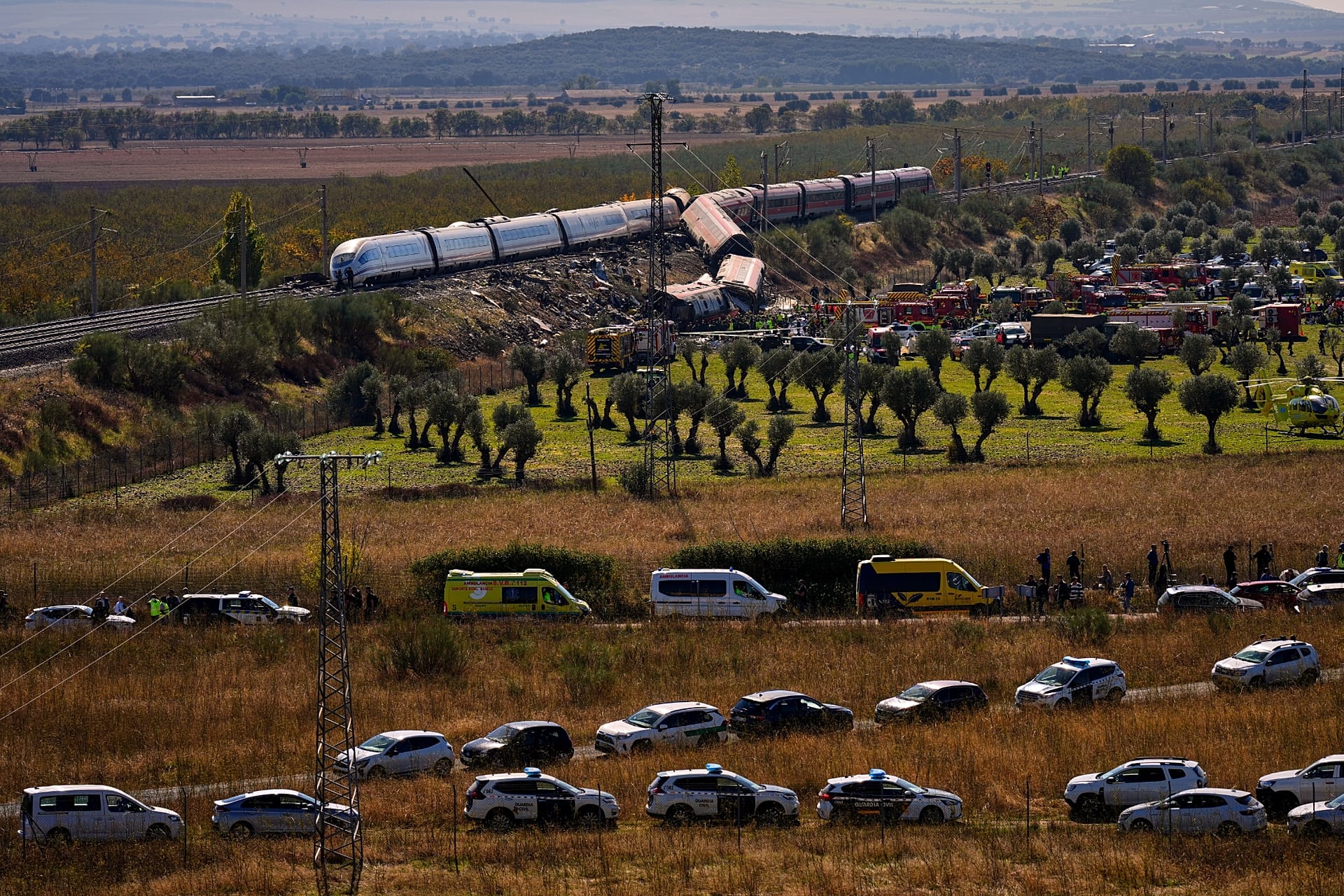
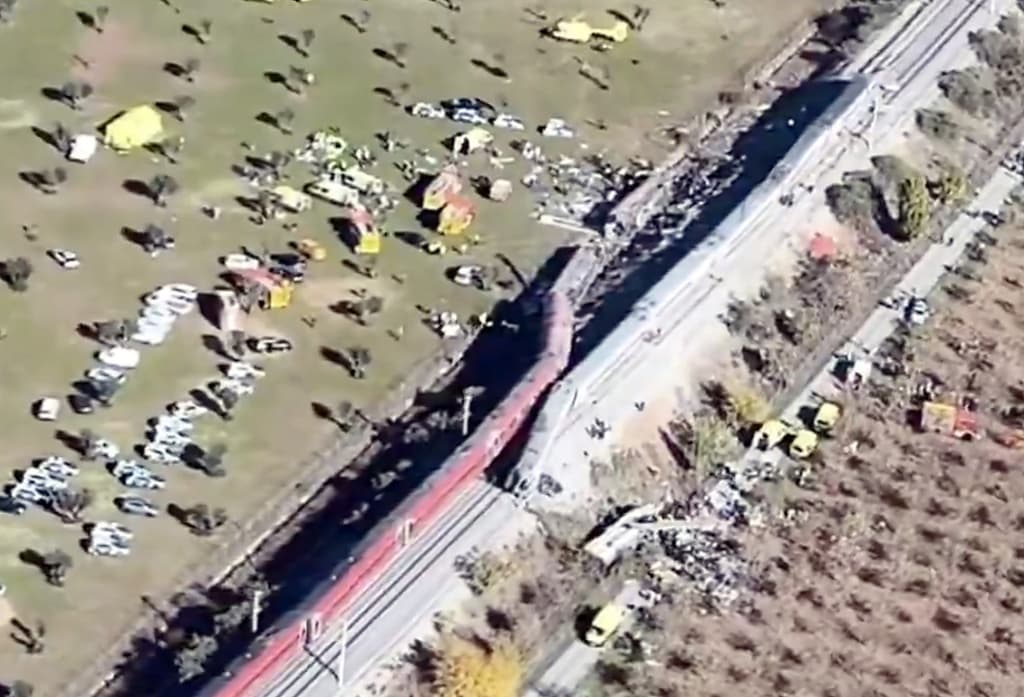
- The collision occurred on 28 October at around 8:53 a.m. near Urda, province of Toledo; two carriages derailed
- DW: 68 dead, 58 hospitalised; euronews: at least 64 dead
- Transport minister Óscar Puente: a system failure at around 8:30 halted trains over a 63 km section, after which the control centre allowed the Renfe train to proceed without restrictions despite an active stop signal
Collision near Urda
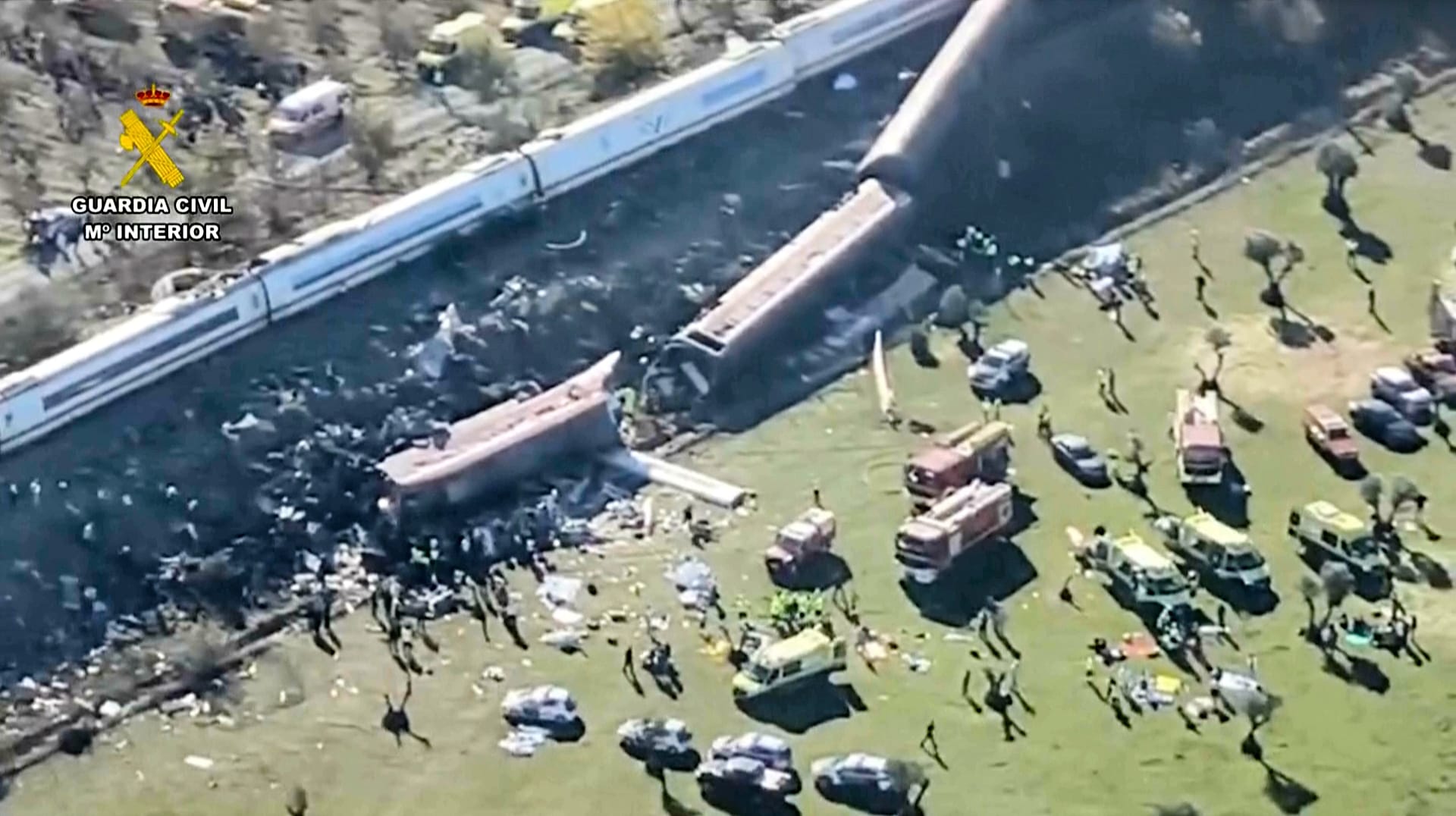
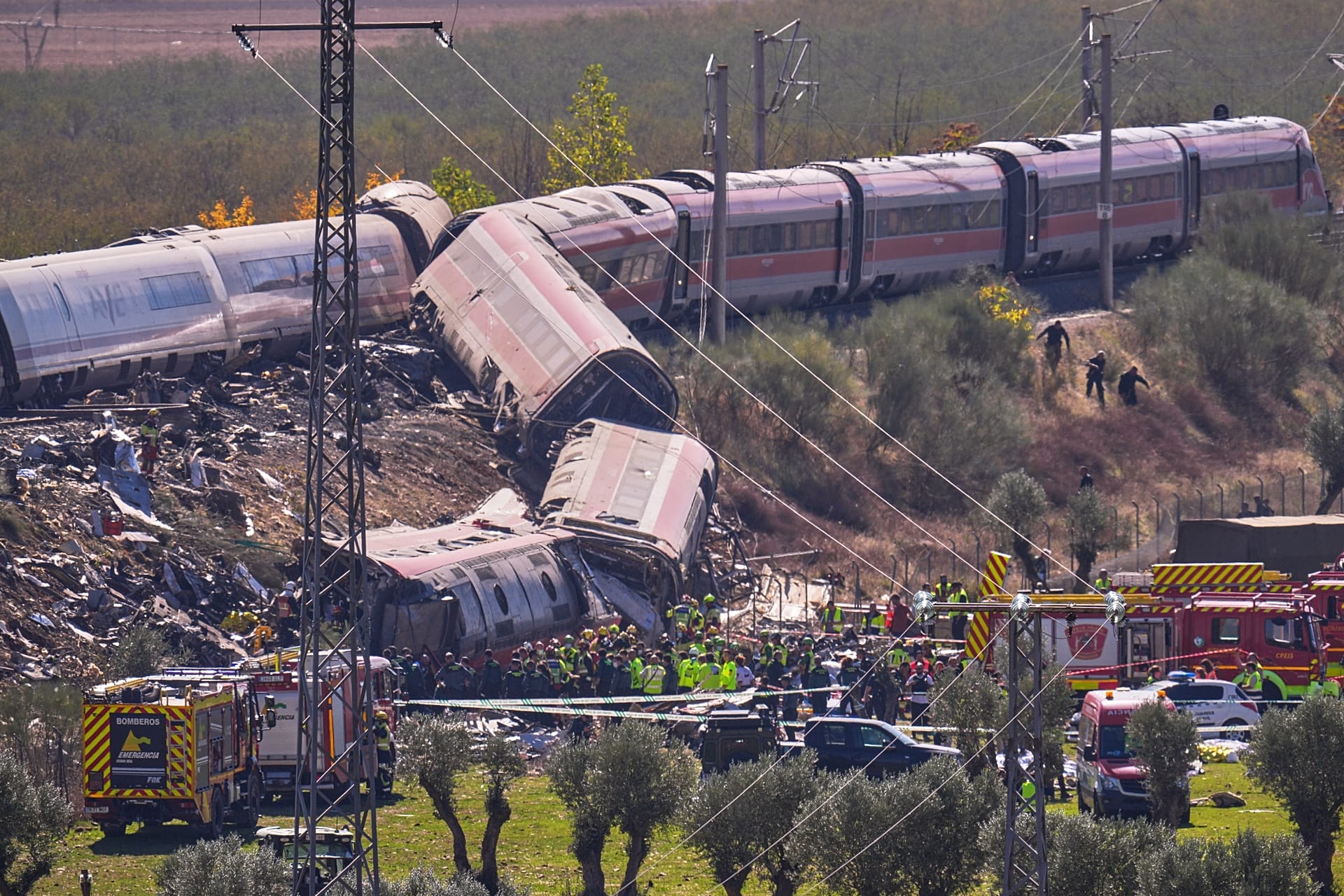
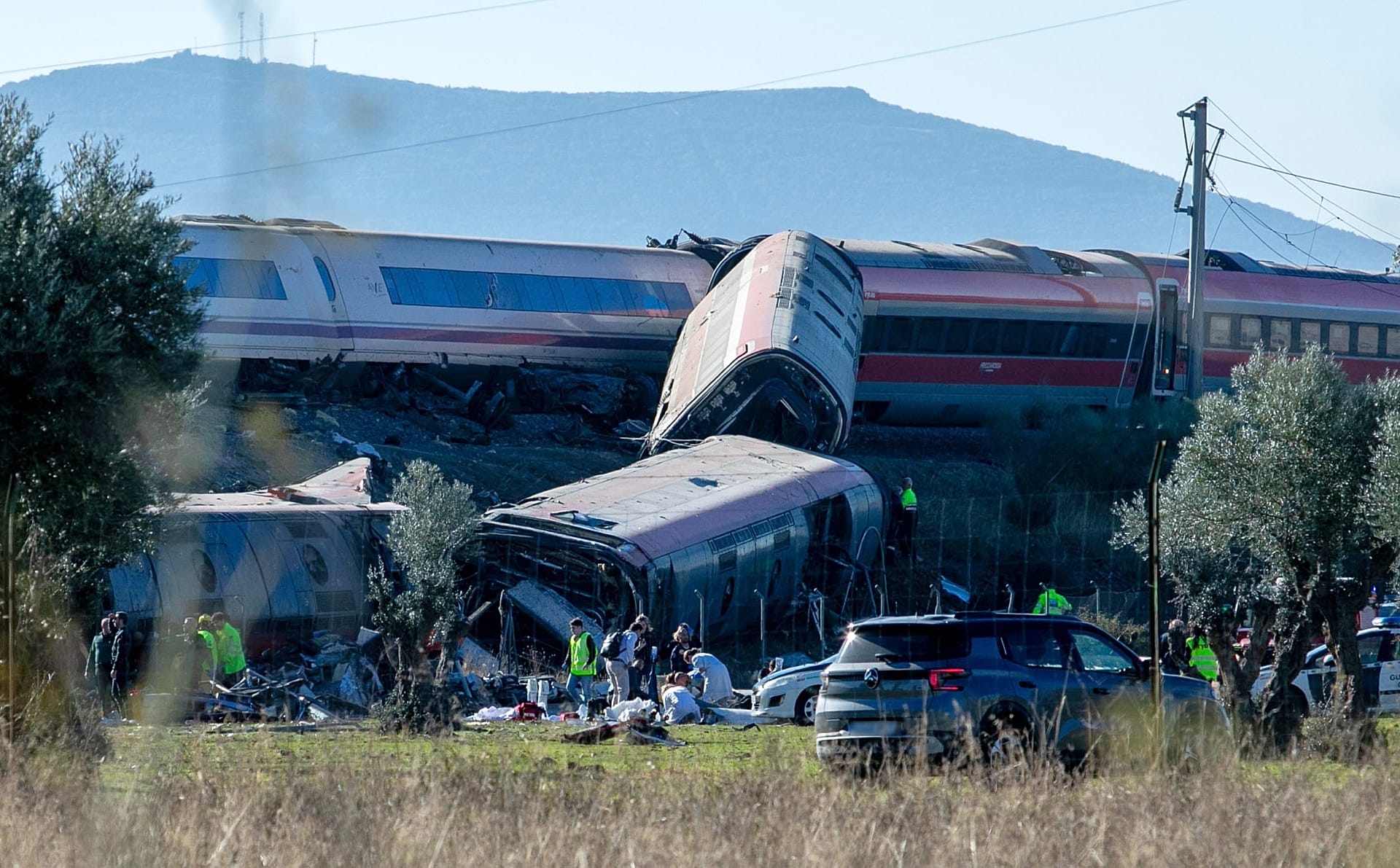
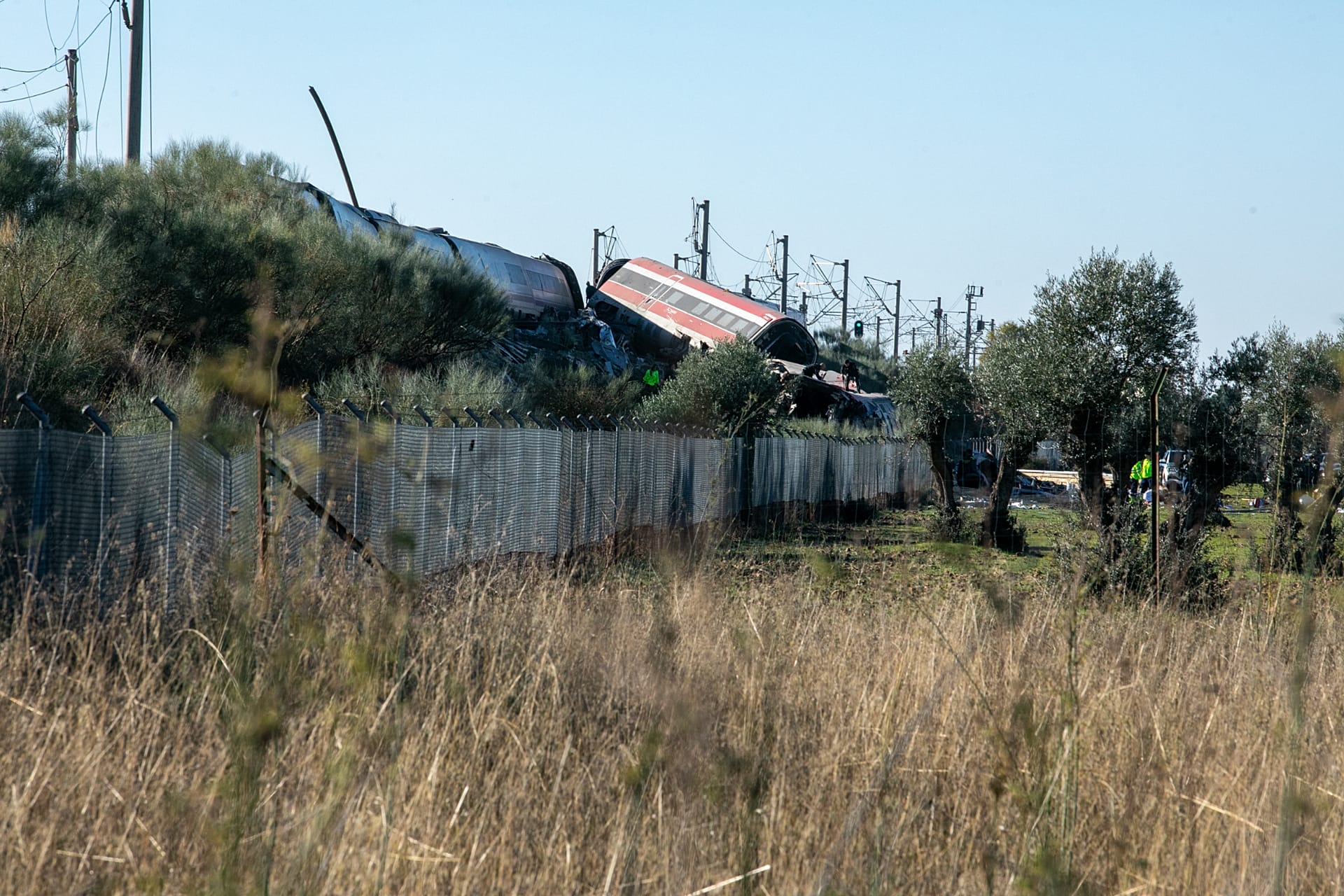
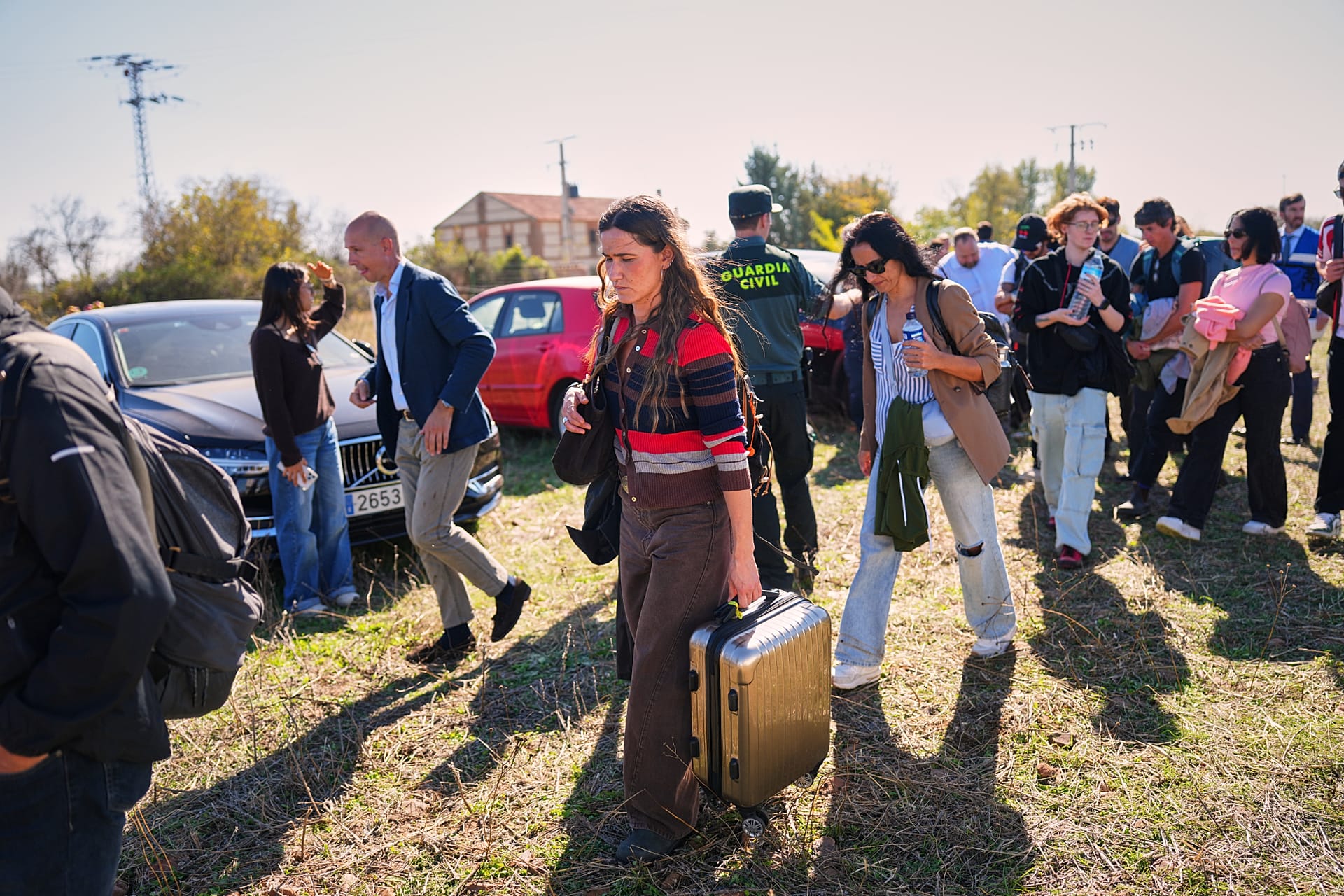
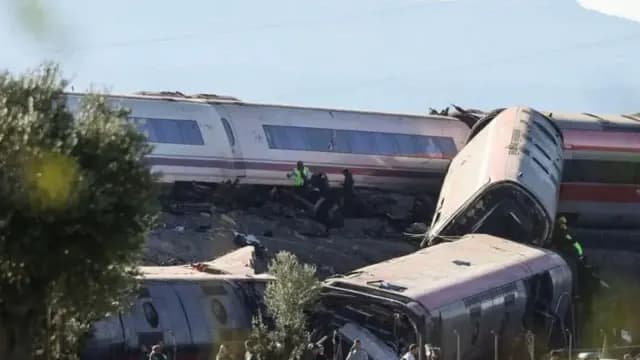
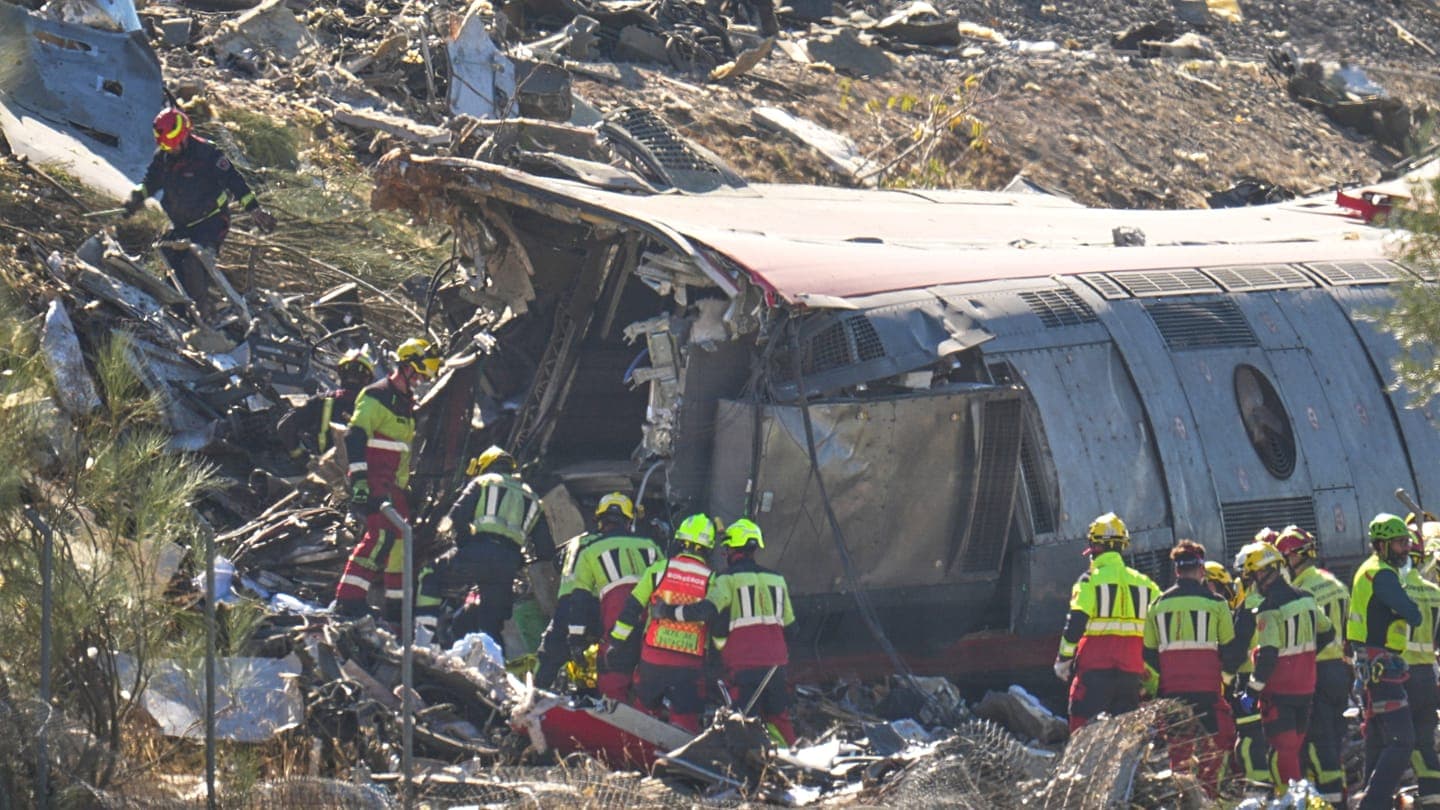
On the morning of 28 October in central Spain, near the town of Urda in the province of Toledo, a high-speed Renfe train rammed into the rear of a train operated by the private operator Iryo that was standing on the tracks. Both trains were travelling from Madrid to Seville; according to the government of the Castilla-La Mancha region, the Renfe train carried 397 passengers and the Iryo train 146 people. In the collision, two carriages derailed and, according to images from the scene, toppled onto their sides after sliding down an embankment. Published casualty figures differ: Deutsche Welle reports at least 68 dead and 58 hospitalised, euronews — at least 64 dead; rescue operations were still ongoing at the time of publication.
The transport minister's version of events
Spain's transport minister Óscar Puente outlined a preliminary version of events: at around 8:30 a.m. a computer system failure disabled the safety system, halting trains over a 63-kilometre section. The central traffic control centre then, he said, gave the Renfe train an 'inexplicable' instruction to proceed without speed restrictions, despite a stop signal that remained active; the collision occurred at 8:53. Puente said the drivers were not at fault and added that the speed at the moment of impact was still being established — trains may travel at 200 km/h on this section. Prime Minister Pedro Sánchez wrote that he was 'shocked' by the 'serious' accident, noting the work of the emergency services at the scene.
Second disaster within a year
This is already the second fatal accident on Spain's high-speed lines within a year: in January, near Adamuz in Andalusia, a high-speed train derailed and collided with an oncoming train, killing 46 people and injuring more than 150. That disaster was the deadliest in the country since the 2013 accident that claimed 80 lives and, as DW notes, shook confidence in Spain's extensive high-speed rail network. No detailed information about the causes of the current collision or the progress of the investigation is yet available in the published reports.