The key facts
- The strike began on Friday; by Wednesday supermarket shelves in Sicily were empty
- Aid for hauliers, farmers and fishermen was increased from 434 to 540 million euros in the form of tax breaks
- Global sales of medium- and heavy-duty electric trucks grew by about 75% in the first half of 2026
How the strike emptied the shelves
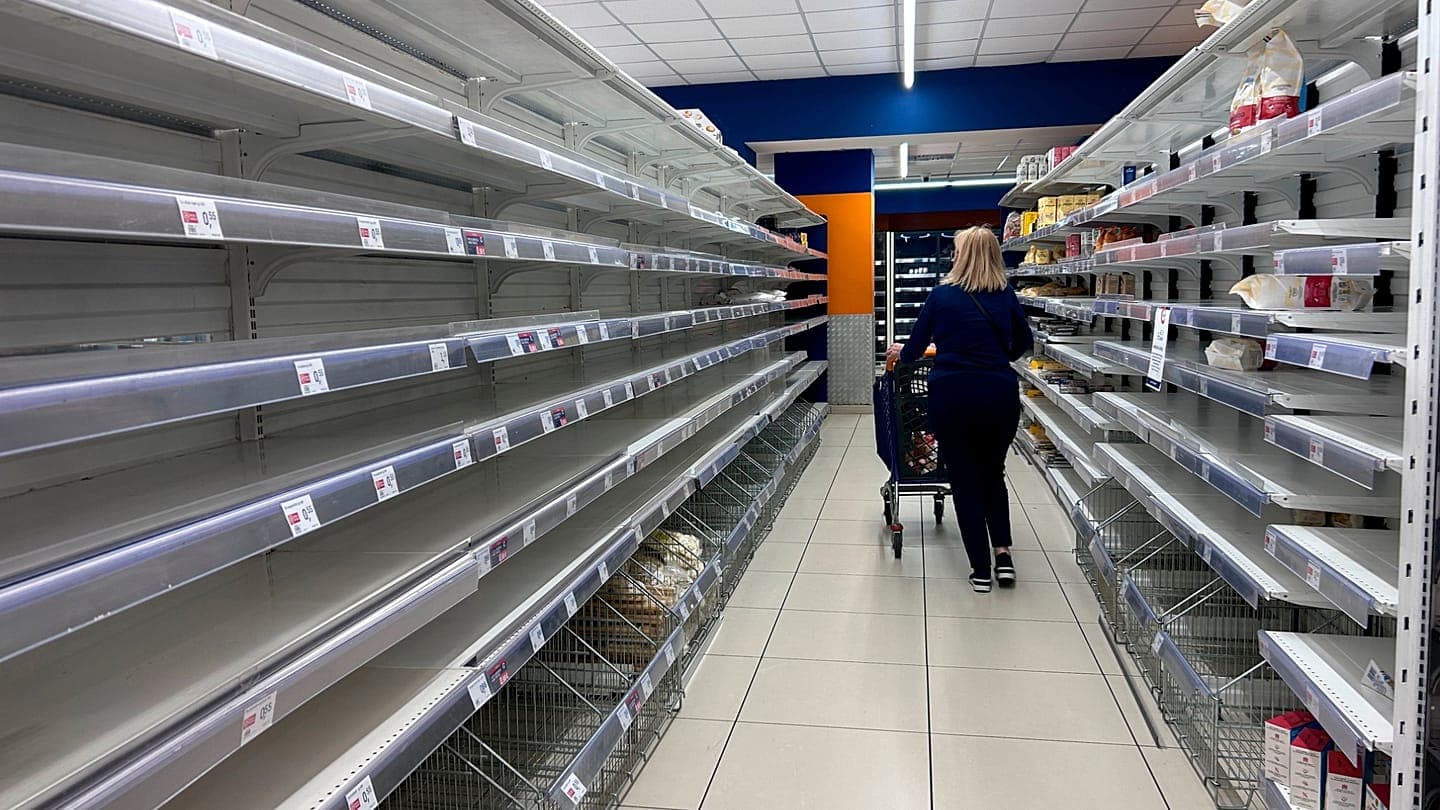
Truck drivers in southern Italy went on strike on Friday, protesting against rising diesel prices caused by the war between the United States and Iran. By Wednesday, according to a Euronews reporterliving in Sicily, the shelves of supermarkets in her area were empty. A similar picture was seen across the island and in southern mainland Italy, where drivers set up blockades, preventing trucks from leaving food warehouses. Fuel at petrol stations also ran out, and one minister said the mafia had exploited the protests: intimidating drivers to force them to take part in the action and puncturing truck tyres.
What happened in the shops and who suffered
The reporter checked the social media reports in person: in Lidl, Eurospin and Conad stores there was no meat or fish, no dairy products, no fruit or vegetables at all. The other departments looked normal, but it was clear that in another couple of days without deliveries pasta, canned goods and household chemicals would disappear too. The action was coordinated: hauliers, farmers and shop owners, with the support of citizens and students, jointly disrupted the transport and delivery of goods to force the government to intervene. The consequences mounted: mozzarella producers lost 3 million euros in a single day, as buffalo milk could not be delivered to the factories; construction companies were left without raw materials. Meanwhile, local fruit shops — 'frutteria' — were unaffected: their owner explained that local farmers or their distributors deliver produce directly to the shop, without the long logistics chain that cannot be broken.
How the protest ended
The Italian government held an extraordinary cabinet meeting and approved new support measures for hauliers, farmers and fishermen: the total amount of financial aid in the form of tax breaks was increased from 434 to 540 million euros. Four days after the last blockades were lifted, the reporter was still waiting for the delivery of goods ordered before the strike; large companies such as Vinted warned customers about delays.
Context: dependence on fossil fuels and electric trucks
The Euronews reporter links what happened to the logistics sector's dependence on oil and gas: the war with Iran caused unprecedented disruptions and shortages of fossil fuels, driving up prices in countries far from the combat zone. According to the figures cited in the article, freight transport accounts for roughly 11–17% of total oil demand in the US, the EU and China, and the spike in diesel prices became a driver of record electric truck sales: in the first half of 2026, almost 160,000 medium- and heavy-duty electric trucks were sold worldwide — about 75% more than in the same period of 2025. The reporter believes the Italian government should use tax breaks to encourage carriers to switch their fleets to electric trucks; this is the outlet's editorial opinion, not an official position of the authorities.