The key facts
- The president delivered a congratulation to participants of the education forum in Tashkent
- According to a World Bank forecast, the economy of Central Asia will grow by 5.8% in 2026
- Tasks identified: the status of teachers, AI and digital technologies, access to education for girls and rural children
Congratulation to participants of the forum in Tashkent
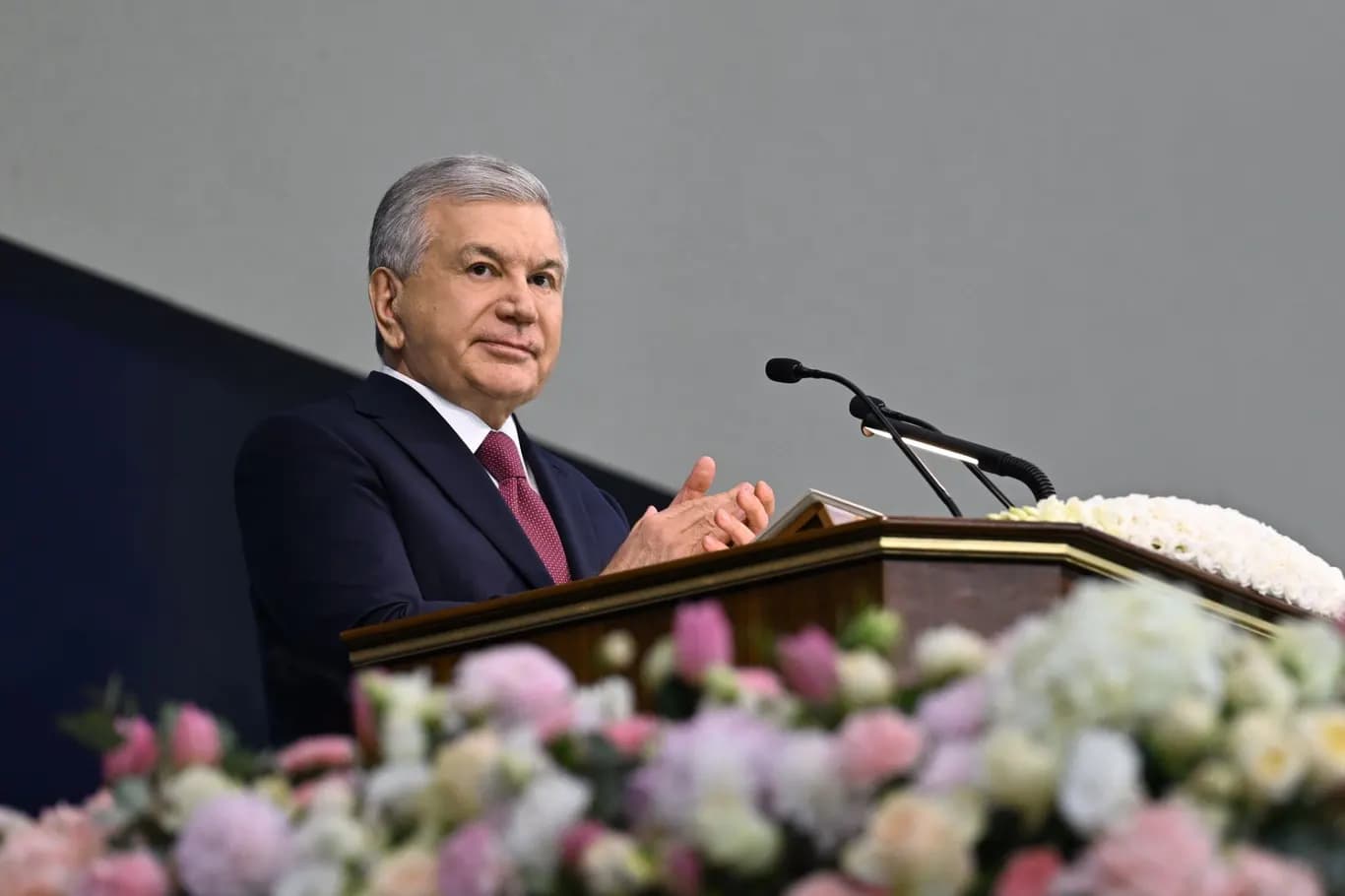
President of Uzbekistan Shavkat Mirziyoyev sent a congratulation to participants of the Central Asian International Education Forum taking place in Tashkent. The text of the address is published by Zamon.uz. In it, the head of state named as a strategic goal the transformation of Central Asia into a 'single common intellectual space uniting science and enlightenment, high technologies and innovations'.
Regional context and figures
Mirziyoyev noted that mutual trust, good-neighborliness and practical partnership are strengthening among the countries of the region, and that the further development of the states also depends on cooperation in education. Citing World Bank forecasts, he said the economy of Central Asia is expected to grow by 5.8% in 2026. The main wealth of the region, with a population of almost 85 million people, he said, is the young generation striving for knowledge.
Priorities of education policy
Education reforms in Uzbekistan, according to the president, have been elevated to a priority direction of state policy, and funds allocated to education are assessed as an investment in the future of young people and in the country's long-term competitiveness. He pointed out that steps have been taken to unite preschool and school education, vocational and higher education, and science governance into a single system — for continuity from primary education to becoming a specialist and scientist.
Tasks for the coming decade
The president emphasized that in the next ten years demand for many professions will change and new specialties will emerge, so the education system must form not only knowledge but also independent thinking, creativity, responsibility and lifelong learning skills. Among the tasks named are raising the status of teachers, updating the content of education, orienting young people toward in-demand professions, strengthening ties between schools, technical colleges, universities and industry, and expanding opportunities for girls, children from rural and remote areas, and young people with special educational needs. Separately named were the development of artificial intelligence, digital technologies and modern engineering, turning universities into centers of scientific research, and support for young researchers.
Regional cooperation
To address problems of water and energy security, climate change and technological shifts in the labor market, the president believes, countries should pool knowledge and capabilities. He noted the importance of expanding cooperation between universities, increasing joint educational programs and scientific research, and supporting the exchange of students and scholars, expressing confidence that the forum will put forward new ideas and practical initiatives. The address is programmatic in nature: no specific new decisions or commitments are named in it, and the tasks listed remain declared policy directions.