The key facts
- Ten modernist sites in Tashkent have been inscribed on the UNESCO World Heritage List
- The buildings were constructed after the 1966 earthquake and combine modernism with local traditions
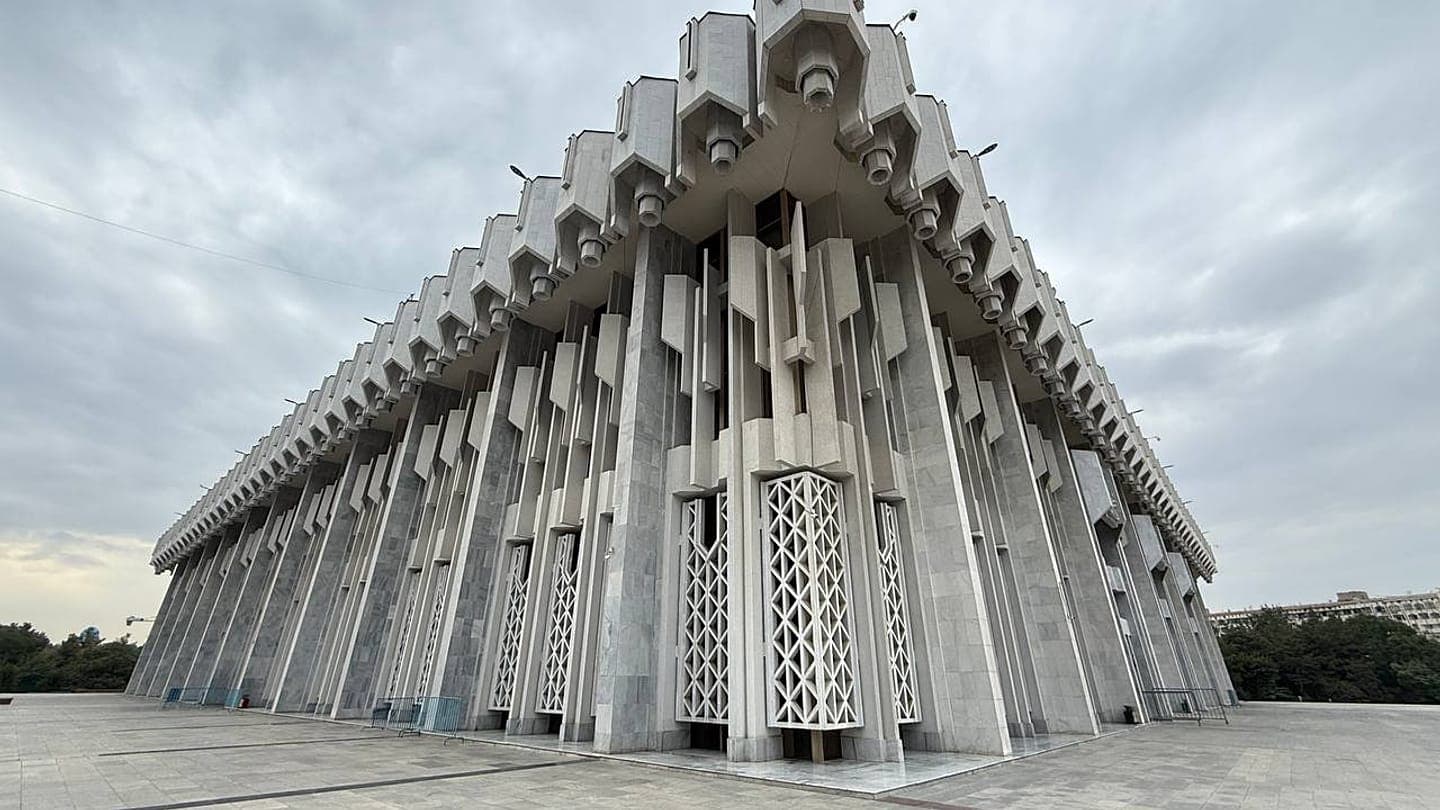
- The Uzbek State Circus is currently undergoing restoration with preservation of its historic appearance
Ten buildings — one heritage site
Ten landmark examples of Tashkent modernism have been inscribed as a UNESCO World Heritage site — as reported by euronews. The listing covers buildings that appeared after the 1966 earthquake, when a new generation of public structures was built with modern forms, experimental materials and solutions adapted to the city's hot climate. Crucially, most of these sites — museums, concert halls, the circus and metro stations — are still used for their original purpose, meaning UNESCO recognition applies not to monuments preserved 'behind glass' but to living urban infrastructure.
Modernism with a local character
According to Saidaziz Ishankhodjayev, deputy chairman of the Uzbekistan Foundation for the Development of Culture and Art, the architects who came to Tashkent after the earthquake adapted their solutions to local conditions: their designs featured inner courtyards, decorative ornaments and other elements of traditional Uzbek architecture. A telling example is the State Museum of the History of Uzbekistan, designed in 1968 by architects Rozanov and Shestopalov and opened in 1970 as the Lenin Museum. Museum director Jannat Ismailova notes that decorative grilles protect the building from the summer sun, the carved wooden doors were made by craftsmen from Kokand, and the interiors feature traditional ganch carving. Since 1992 the building has housed the State Museum of the History of Uzbekistan, and a significant part of the original elements has been preserved.
The art museum, the palace, the circus and the metro
The State Museum of Arts of Uzbekistan was built from 1967 to 1974 and was designed from the outset as a museum — with exhibition halls and storage facilities included in the original plan. Olga Udovenko, head of the department of Uzbek folk applied arts, said the facade used experimental panels that limited direct sunlight; the material was later replaced, and researchers are now considering the possibility of restoring the original appearance. According to director Isroil Gulomov, the Palace of Friendship of Peoples seats 3,816 spectators and was designed to protect its interiors from temperature fluctuations. The Uzbek State Circus (built in 1968–1976) is currently undergoing restoration: according to circus director Rustam Madjidov, it is meant to improve conditions for performers while preserving the architectural appearance. Modernism is also represented underground: the Kosmonavtlar station is decorated with a space-exploration theme, and the metro, according to electric depot chief Rustam Shafikov, now carries more than a million passengers a day.
What UNESCO status changes
The recognition has drawn additional attention to how the buildings will be preserved and used going forward. Ishankhodjayev stresses that preservation is not just about facades: the buildings must remain safe and functional, which requires assessing the condition of structures and engineering systems, meeting fire safety requirements and adapting to new needs without losing architectural identity. In practical terms, this means that for sites still operating as museums, a palace, a circus and metro stations, modernization issues will now have to be addressed with the international heritage status in mind — a debate that is already under way, in particular around restoring the original facade of the Museum of Arts.