The key facts
- Netanyahu's bloc — 56 seats, the opposition — 49, Arab parties — 15 with 50% of votes counted
- Neither bloc reaches the majority threshold of 61 seats in the Knesset
- Possible scenarios: a unity government, a minority government, or new elections
A split result
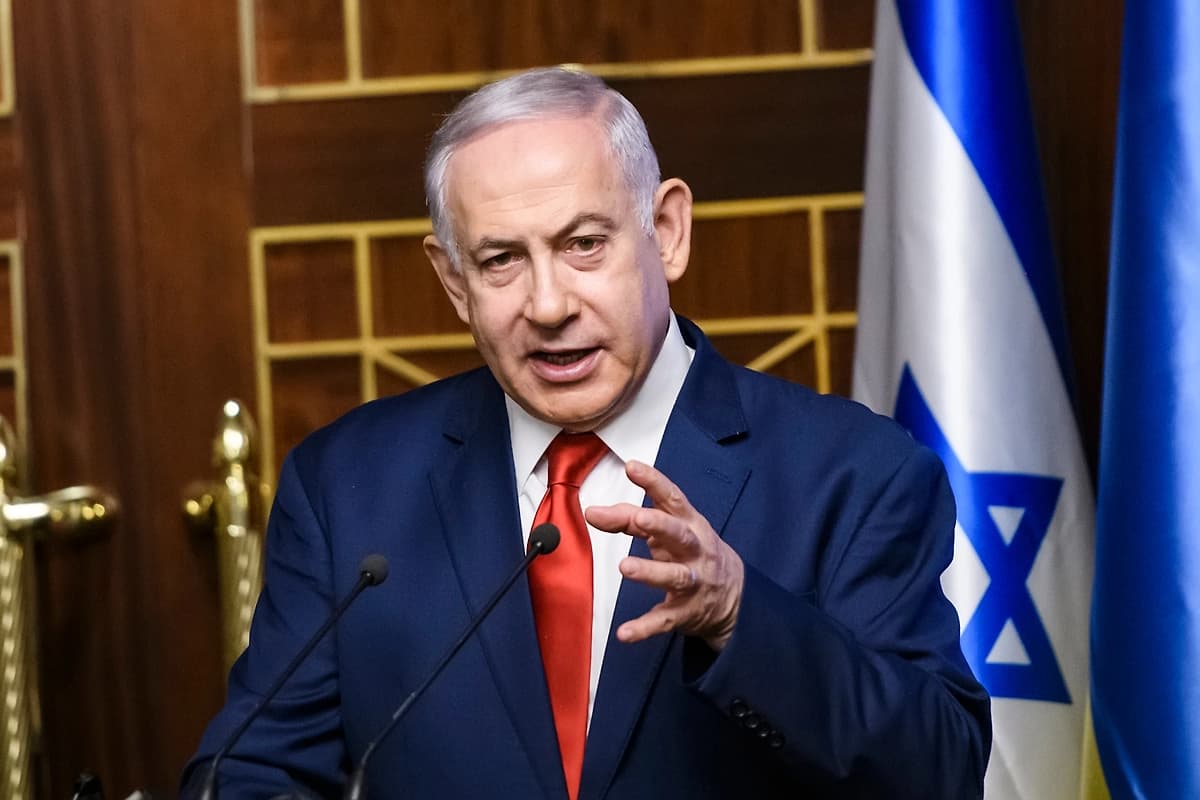
Israel's pivotal parliamentary election has produced no clear winner. According to the Central Elections Committee, on Wednesday morning, after 50% of the votes were counted, the bloc of incumbent Prime Minister Benjamin Netanyahu is ahead of the opposition: it could win 56 of the 120 Knesset seats, against 49 for the opposition bloc and 15 for the Arab parties. These figures are reported by euronews.
What comes next
Neither bloc reaches the threshold of 61 seats needed for a majority, so the most likely scenario is weeks of negotiations between the parties on forming a governing coalition and naming a new prime minister. Throughout this period, Netanyahu remains acting head of government. Former Israeli government spokesman Eylon Levy outlined three options for the political establishment on euronews' air: form a unity government, a minority government, or hold new elections — noting that any of them 'will require someone to compromise on serious coalition promises.'
Context
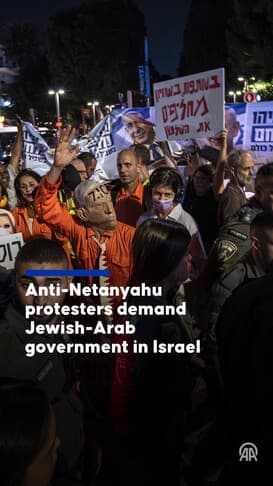
One thing is clear: the country remains deeply divided over Netanyahu's leadership and is still bearing the consequences of Hamas's October 7 attack and the wars that have shaken the Middle East since. The outcome of the coalition talks is not yet known — the final election results and the composition of the future government will become clear later.