The key facts
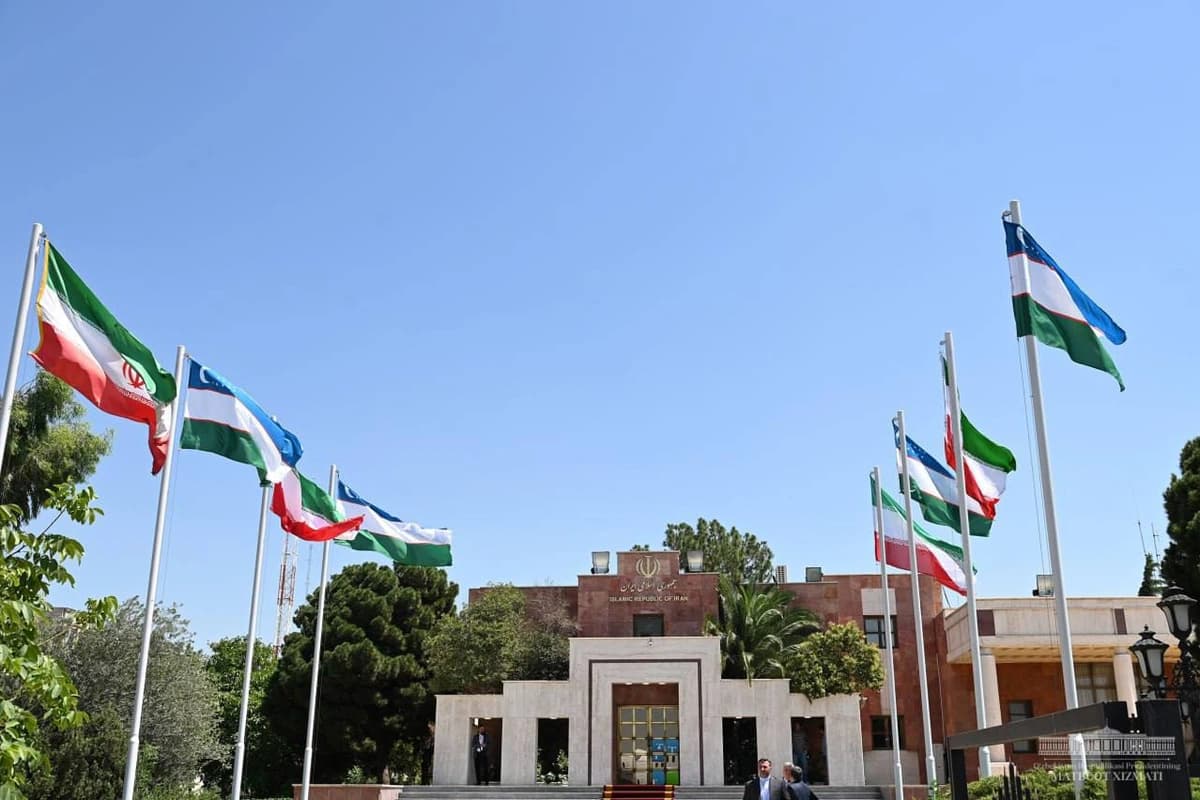
- Iranian Foreign Ministry spokesman Esmaeil Baghaei said that the Iranian embassies' controversial posts about Samarkand were published as an address to the United States.
- On October 23, Iran's Ambassador Mohammad Ali Eskandari was summoned to the Uzbek Foreign Ministry, where he was handed a note of protest demanding the removal of the publications.
- The posts by Iranian diplomatic missions in several countries were subsequently deleted.
Tehran's response to the note of protest
Iranian Foreign Ministry spokesman Esmaeil Baghaei commented on the incident surrounding publications by Iranian diplomatic missions about Samarkand that provoked Uzbekistan's protest. This was reported by Gazeta.uz, UzNews.uz, Daryo.uz and Zamon.uz, citing a statement and the Iranian embassy in Uzbekistan.
'An address to the American side'
Commenting on the posts that displeased the Uzbek side, Baghaei said: 'Our friends at some embassies published these posts as an address to the American side'. At the same time, he stressed the long-standing nature of ties between the two countries: 'The ties between Iran and Uzbekistan did not emerge today or yesterday. We attach great importance to relations with Uzbekistan.' According to him, the shared heritage found in various regions of the neighboring countries and beyond serves as a foundation for continuing and strengthening friendly ties between the peoples.
Timeline of the incident
The incident unfolded in several stages. After US Secretary of State Marco Rubio's visit to Samarkand and his video address from Registan Square, Iranian diplomatic missions — including the embassies in Armenia, Zimbabwe and Bulgaria — published posts on the social network X presenting Samarkand's architecture as part of Persian or Iranian-Islamic civilization. On October 23, Iran's Ambassador to Uzbekistan Mohammad Ali Eskandari was summoned to the republic's Foreign Ministry, where he was handed a note of protest. The Uzbek Foreign Ministry stressed that the heritage of Samarkand, Bukhara and Khiva is an integral part of the centuries-old history of the Uzbek people and their traditions of statehood, demanded the removal of the publications and that similar cases not be allowed in the future. As the outlets note, the posts were subsequently deleted.
What Tehran's statement explains
Baghaei's statement effectively offers Tehran's interpretation of the conflict: the controversial posts were addressed to the United States, not Uzbekistan, while Tehran emphasizes the value of bilateral relations. For Tashkent, however, the subject of the protest was the very one-sided — as phrased by the Uzbek foreign ministry — interpretation of Samarkand's heritage, and the demand to remove the publications was fulfilled. Thus, the incident ended with the deletion of the posts and Iran's public assurance of the importance of its relations with Uzbekistan, while the question of the interpretation of the heritage was not directly revisited in the Iranian Foreign Ministry's statement.