The key facts
- Kubilius: in peacetime the military consumes about 8% of fuel capacity, but in a crisis demand could rise sharply
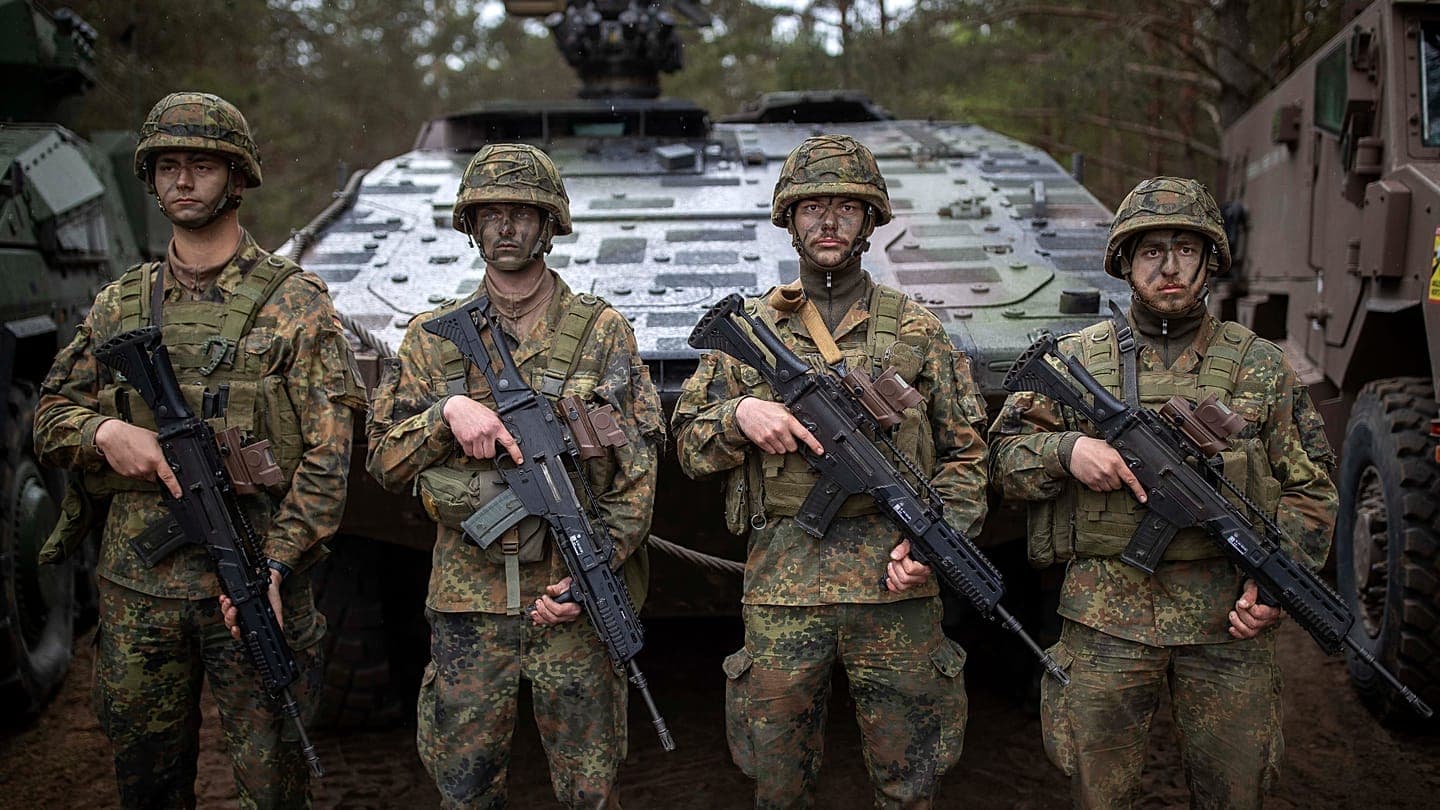
- Under NATO's force model, the alliance must move and equip 100,000 troops in the first 10 days
- In July, NATO approved a fuel supply program worth €27 billion
Defense commissioner's warning
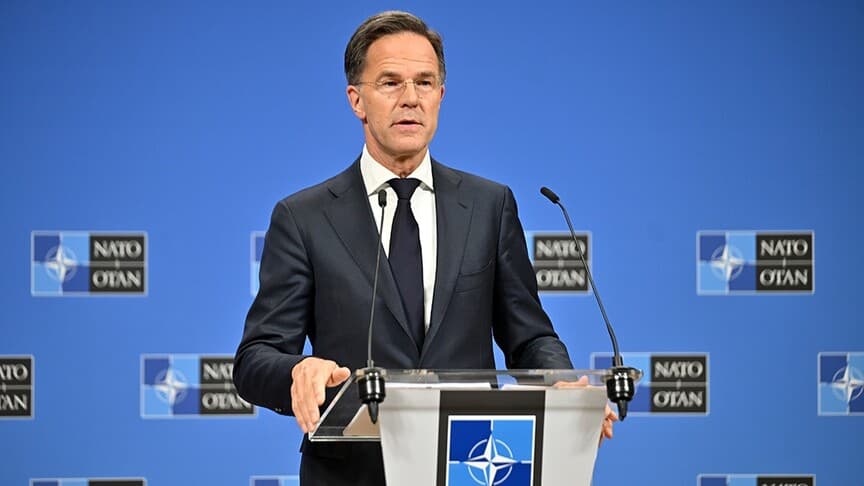
Europe must be ready to rapidly scale up production of aviation kerosene and diesel fuel in order to supply its armed forces in the event of war — this warning was issued by the European Commissioner for Defence Andrius Kubilius, Euronews reports. According to industry figures he cited, in peacetime military fuel consumption accounts for only about 8% of total capacity, but in a crisis demand could become 'far greater.' He referred to NATO's force model: in the first 10 days of a military crisis, the alliance must move and fully equip 100,000 troops, which means a sharp surge in fuel demand. Kubilius could not say how long Europe would be able to repel an aggressor with its current fuel stockpiles — that data is classified.
Round table on refining and industry context
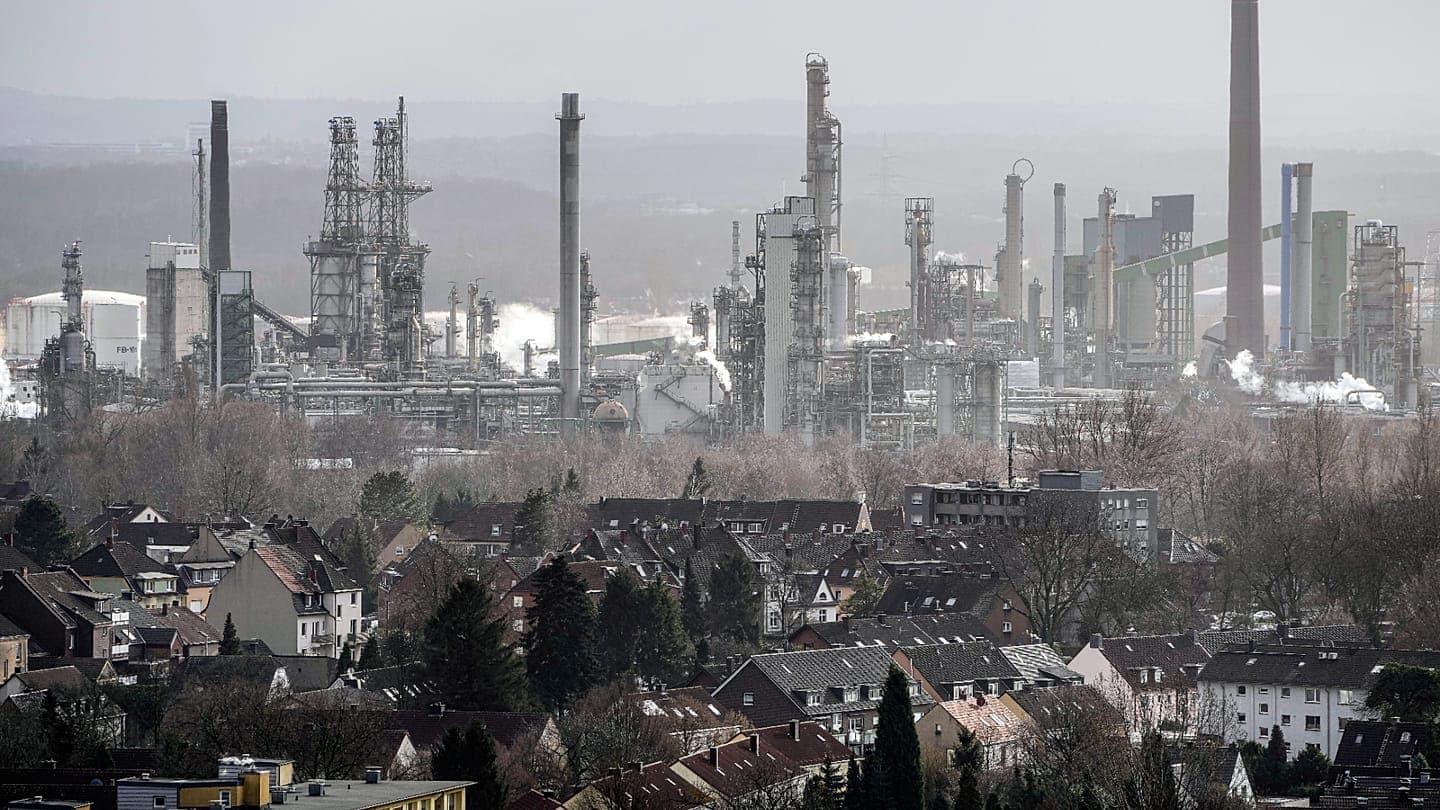
The statement came after the European Commission's first dialogue on Europe's oil refining capacity, convened at the initiative of Commission President Ursula von der Leyen against the backdrop of an energy shortage and its possible impact on the EU's military capabilities. The meeting was attended by representatives of NATO and the industry. European refineries, which process crude oil into aviation kerosene and diesel, have been closing or cutting capacity for years: outdated plants were becoming less profitable, and the structure of demand was changing. According to Euronews, global conflicts, including the war in Iran and the closure of the Strait of Hormuz, have made it harder for Europe to secure energy at an affordable price.
Decarbonization and defense needs
The EU has a legally binding target to cut carbon emissions by 90% by 2040. Energy Commissioner Dan Jørgensen said that Europe is keeping its course toward phasing out fossil fuels and remains on track to meet this goal, but that 'right now' sufficient supplies of traditional energy sources are needed. 'Diesel and aviation kerosene are critically important for mobility, the economy as a whole, and our defense,' Euronews quotes him as saying. The key fuels for European armies are aviation kerosene for aircraft and diesel for backup power supply at military bases. A NATO representative stressed that Europe's production capacity must support both civilian and military demand in a crisis, and recalled that in July the alliance's members approved a fuel supply chain development program worth €27 billion: it provides for the modernization of fuel storage and distribution, primarily pipelines in the eastern and south-eastern parts of the alliance, to ensure 'combat readiness.'