The key facts
- About a quarter of EU refineries have closed over 20 years, with capacity down roughly 10%
- The European Commission has begun talks with the industry; the next meeting is scheduled for early 2027
- Poland, the Czech Republic and Slovakia have urged Brussels to develop a long-term strategy to protect oil refining
Brussels changes its approach to oil refining
The European Commission has begun talks with European refiners on how to increase fuel production at existing plants, seeking to reverse a two-decade trend of shrinking capacity. Energy Commissioner Dan Jørgensen called geopolitical instability and the prolonged diesel shortage a 'wake-up call': in his words, this is not only about competitiveness but also about security. Euronews reported this, citing the commissioner's remarks, on Wednesday, 28 October.
What has happened over 20 years and why the problem has worsened now
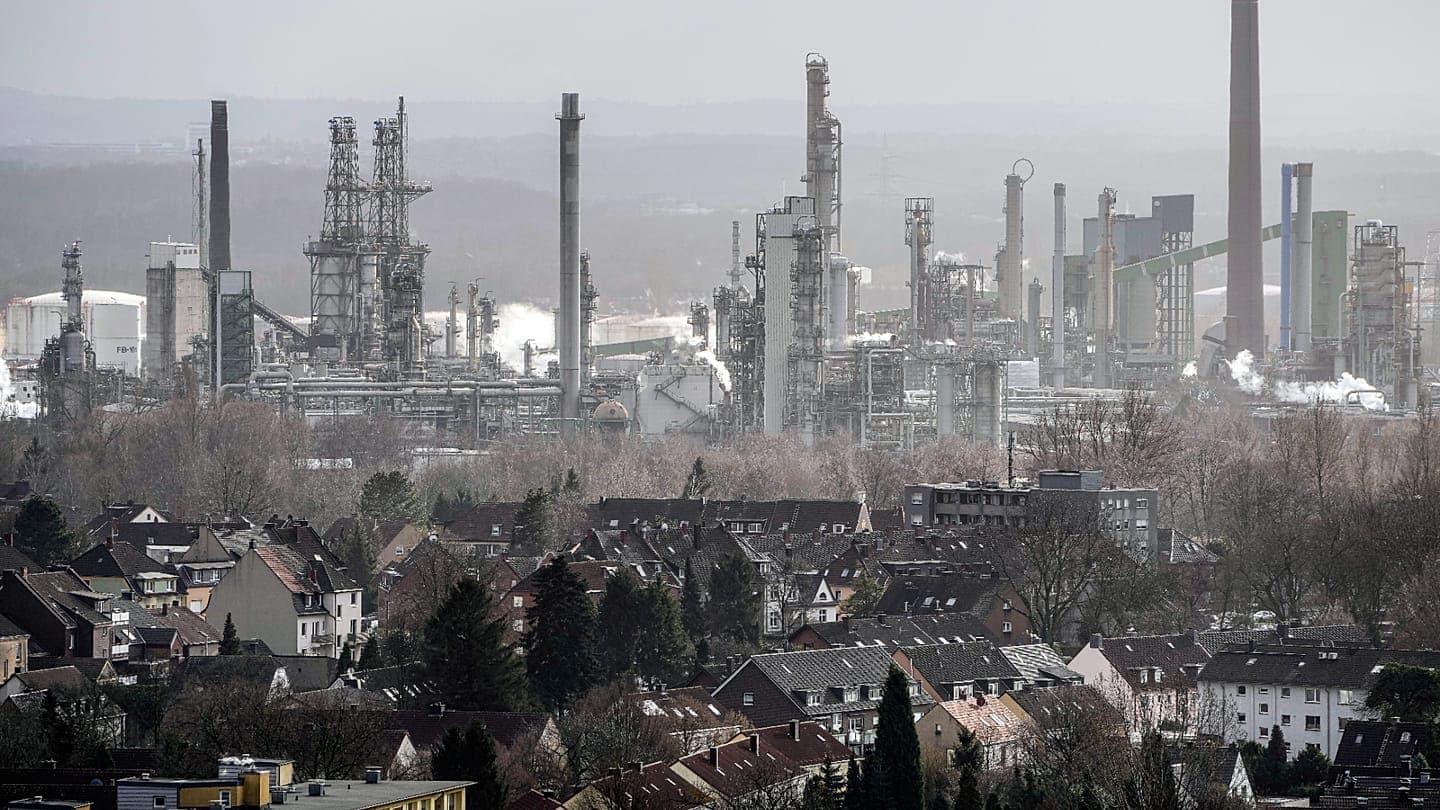
According to the European Commission, about a quarter of the bloc's refineries have closed over the past 20 years, and total capacity has shrunk by roughly 10%. The largest refining operations are concentrated in Germany, Italy, Spain, the Netherlands, France and Belgium. The policy rethink was prompted by a series of factors that Euronews described in previous reports: Ukrainian strikes on Russian refineries and attacks on plants in the Persian Gulf amid the protracted Middle East conflict have further strained an already tight global diesel market and pushed energy prices higher. Earlier, France warned of a 'new oil shock' and called on the EU to activate reserve refining capacity, while the IEA forecast that tightness in the diesel market will persist until 2027 — meaning pressure on prices may continue even if the crude oil market stabilises.
What is still missing: measures, targets and money
The Commission said the industry has submitted proposals that will now be examined, but did not specify whether this involves reopening closed plants, expanding existing ones or investing in new capacity. Financial incentives, regulatory changes and concrete capacity targets have not yet been defined; the immediate focus is increasing output at already operating facilities, which is faster than building new refineries, which requires years of investment and permitting. The next technical meeting is scheduled for early 2027 to assess progress. The Commission itself cautions, however, that increased refining will not necessarily lower prices if the cost of crude oil remains high or supply disruptions persist.
Poland, the Czech Republic and Slovakia demand a strategy
Ahead of the EU energy ministers' meeting on 29 October, Poland, the Czech Republic and Slovakia sent a document to Brussels, seen by Euronews, calling for a long-term strategy to protect oil refining. The three countries stress that 'security of crude oil supply and security of petroleum product supply are different challenges': crude oil cannot replace diesel or aviation fuel without adequate refining capacity. Aviation, shipping, agriculture, defence and emergency services, in their view, will continue to need liquid fuels, making domestic refining a strategic issue. They welcome the Commission's plan to assess refining capacity but want concrete measures to ensure the industry's competitiveness and protection from future supply disruptions.
A contradiction with climate goals
The initiative faces a conflict of interests: the EU wants to reduce dependence on imported fossil fuels but must supply the fuels the economy consumes during the transition. European refineries are under pressure from high operating costs, competition with larger foreign plants and a long-term decline in demand for traditional transport fuels as electrification advances. The key question for Brussels, as Euronews puts it, is whether talks with industry can deliver additional fuel quickly enough without creating investments that could become 'stranded assets' as Europe moves away from fossil fuels. Also telling is the recent failed merger of refining and distribution assets Galp and Moeve, which the outlet reported on: consolidation in the industry is not going smoothly.