The key facts
- The High Court in Belfast ruled lawful the decision of Sir Chris Bryant of 9 October to ban the Drumcree march
- The High Court in Belfast ruled lawful the decision of Secretary Sir Chris Bryant of 9 October to ban the Drumcree march
- The Portadown District of the Orange Order said it would appeal against the PSNI and the minister
- The judge noted the PSNI could not have protected 35 Orangemen from the risk of disorder; residents of the Garvaghy Road opposed the march
- The judge noted that the PSNI would not have been able to protect 35 Orange men from the risk of disorder; residents of the Garvaghy Road opposed the ban
Court dismisses judicial review of march ban
The High Court in Belfast has ruled that the decision of Northern Ireland Secretary Sir Chris Bryant of 9 October to ban the Orange Order parade along Drumcree was lawful. The judicial review was brought by a Portadown Orangeman against Bryant and Police Service of Northern Ireland (PSNI) Chief Constable Jon Boutcher. The minister's decision followed security recommendations he received from Boutcher. The applicant's barrister told the court that an appeal was 'likely'. This was reported by BBC News.
What the court found
Mr Justice Scoffield said the minister's decision was lawful and within the discretion afforded to him, although it was 'deeply regrettable' that it had proved necessary in the circumstances. He added that the position reached had come at 'a very significant cost' to the people of Northern Ireland — financially, through the diversion of police resources, and in terms of community relations — while the threat of serious and widespread disorder 'loomed' over the situation. The judge also noted that concerns about the rule of law had been raised, including about some elected representatives, over their participation in an unnotified protest.
Background to the dispute and the police position
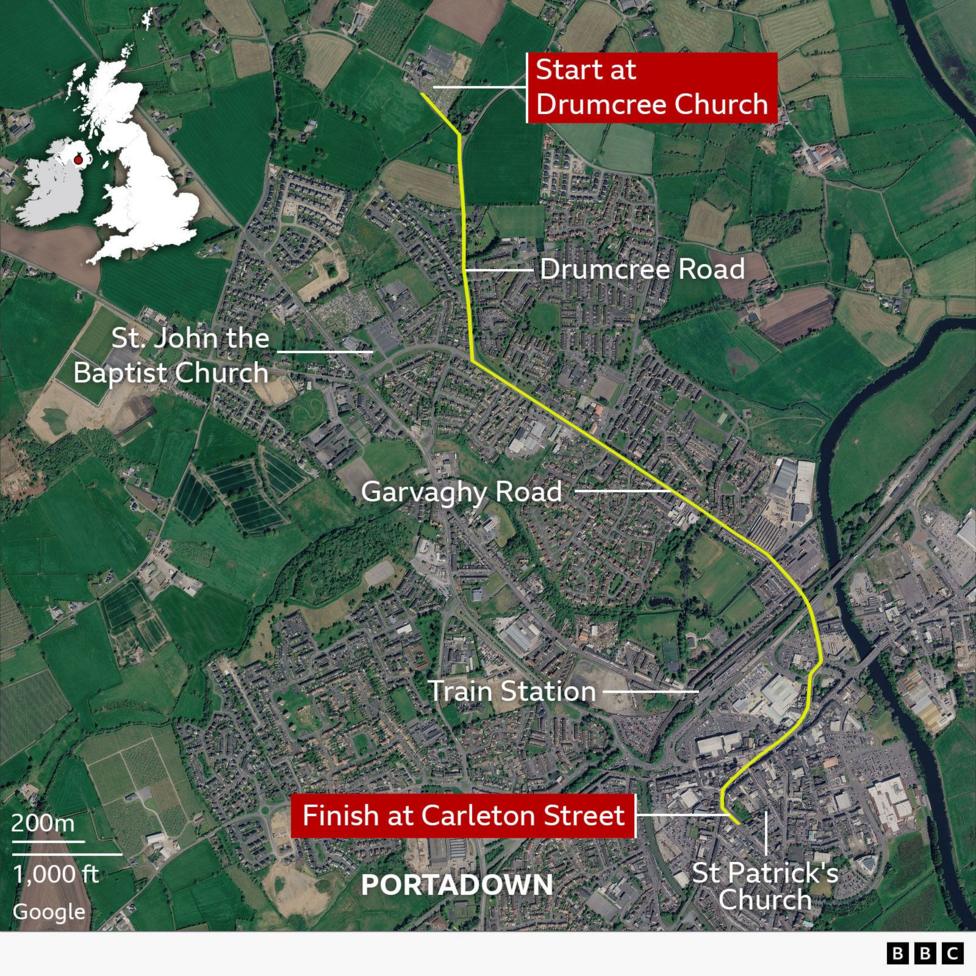
The dispute over Drumcree has been known since the mid-1990s and at the time nearly derailed the Northern Ireland peace process. Last month, the Parades Commission, after its initial ban was overturned in court, permitted the march on 27 September with restrictions, but that morning up to 1,000 people, including First Minister Michelle O'Neill, blocked the road, preventing the Orangemen from walking from Drumcree church. A standoff lasting almost two weeks then began between protesters on the Garvaghy Road and the Orangemen and their supporters. Before the parade was banned, the Chief Constable wrote to Bryant saying that all available lawful and proportionate options to bring the march to an end had been exhausted, and that the remaining ones would require a major intervention with an unacceptable risk of serious injury and disorder. Last week the court heard PSNI intelligence that dissidents might have opened fire on police had they cleared the way for the march.
Reactions from the parties
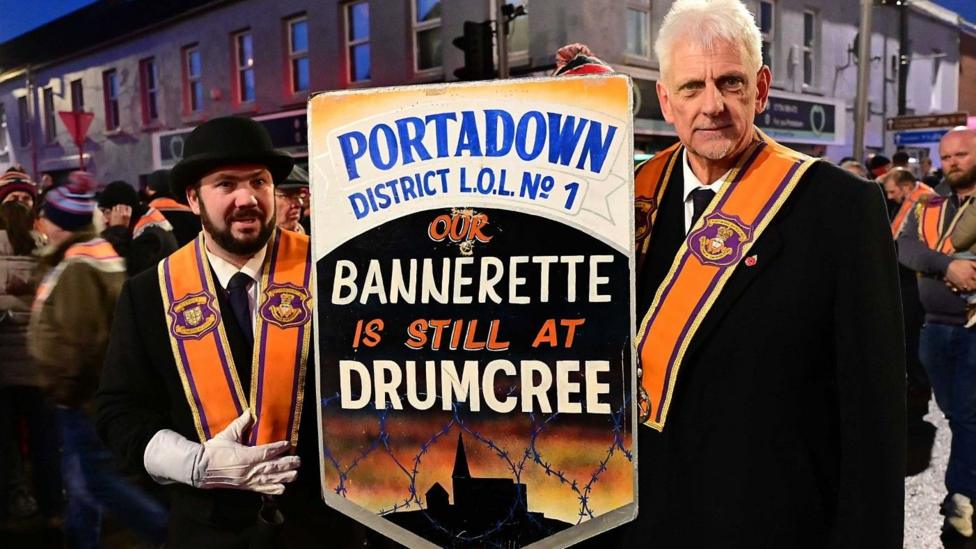
The Portadown District of the Orange Order in a statement on social media said its legal right had been 'thwarted' by unlawful actions and confirmed it would appeal against the PSNI and the minister, adding that the district 'is moving towards having the established legal right confirmed, and we will exercise it'. TUV leader Jim Allister said that 'the legality of the Portadown District's right has not been extinguished', noting the judge's sharp criticism of the protesters. Loyalist activist Jamie Bryson summed it up: the district had established a legal right to walk the Garvaghy Road, and the Chief Constable's position — that he could not protect 35 Orangemen from the risk of disorder — was 'a very, very serious finding'. On the other hand, Sinn Féin MP Dáire Hughes said protecting residents 'was the right thing to do' and 'we will not be apologising for it', and that the events in Portadown had 'set back' work on community relations. Residents' spokesman Breandán Mac Cionnaith said their position had been fully vindicated: they had sought the right promised by the Good Friday Agreement — to live free from sectarian harassment. Earlier, a number of senior Sinn Féin politicians, including Finance Minister John O'Dowd, attended police interviews over their participation in the protests.
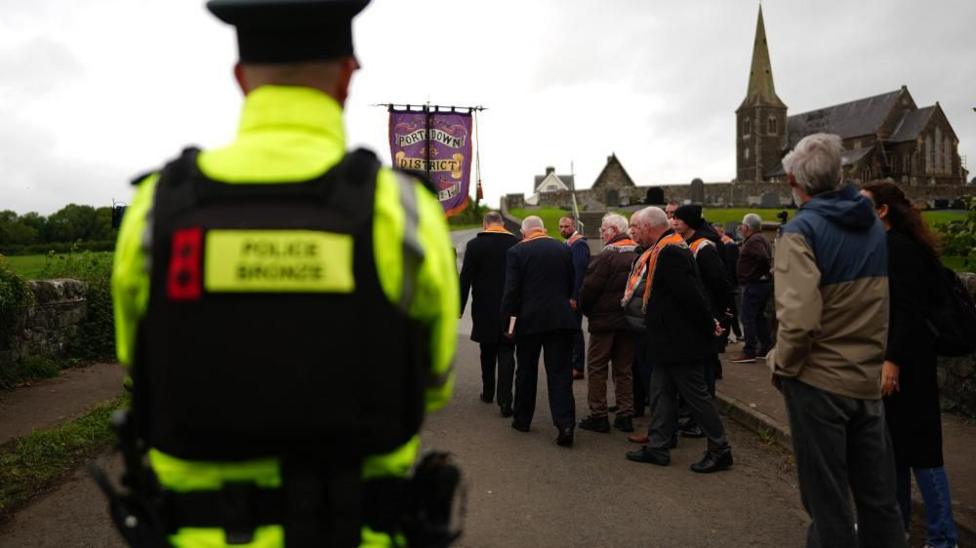 Image source, PA
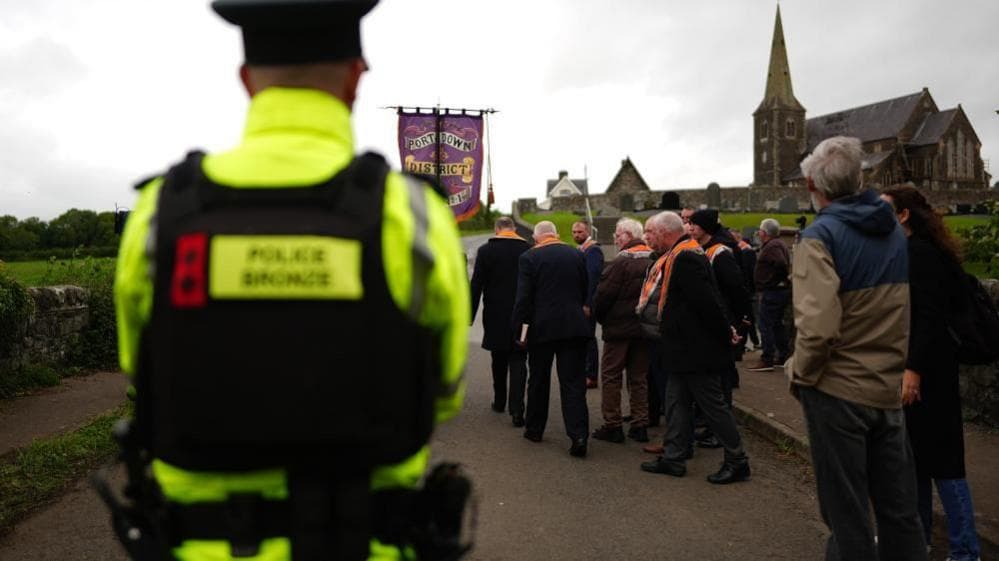
Orangemen have made numerous attempts to begin their march from Drumcree church but have been blocked by police each time
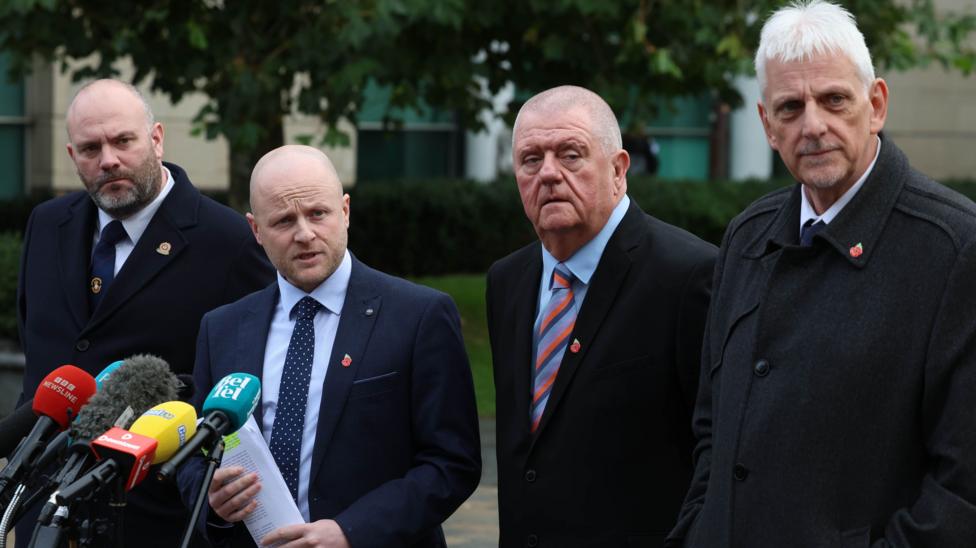 Image source, Pacemaker
Loyalist activist Jamie Bryson spoke to reporters outside court alongside members of the Portadown District Lodge
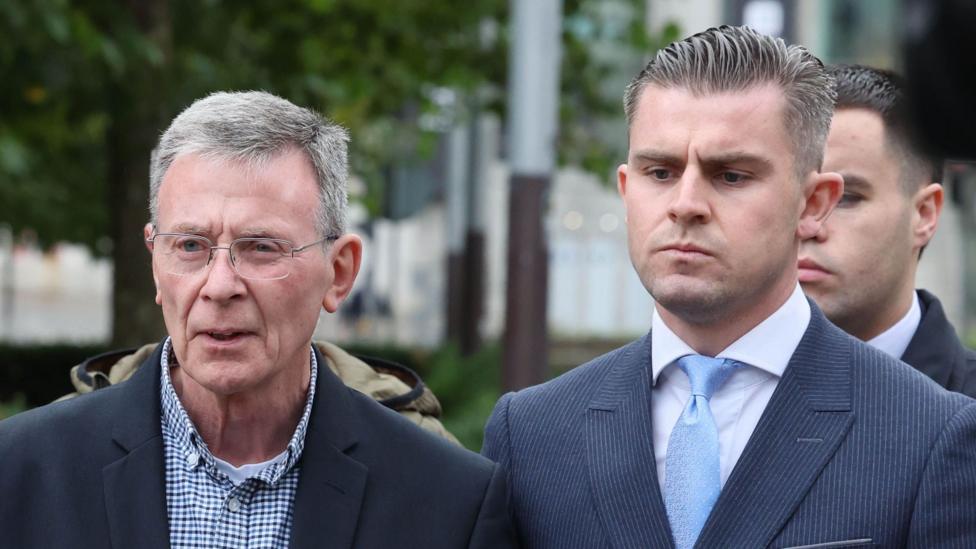 Image source, Pacemaker
Breandán Mac Cionnaith and Darragh Mackin speaking outside the High Court following the ruling
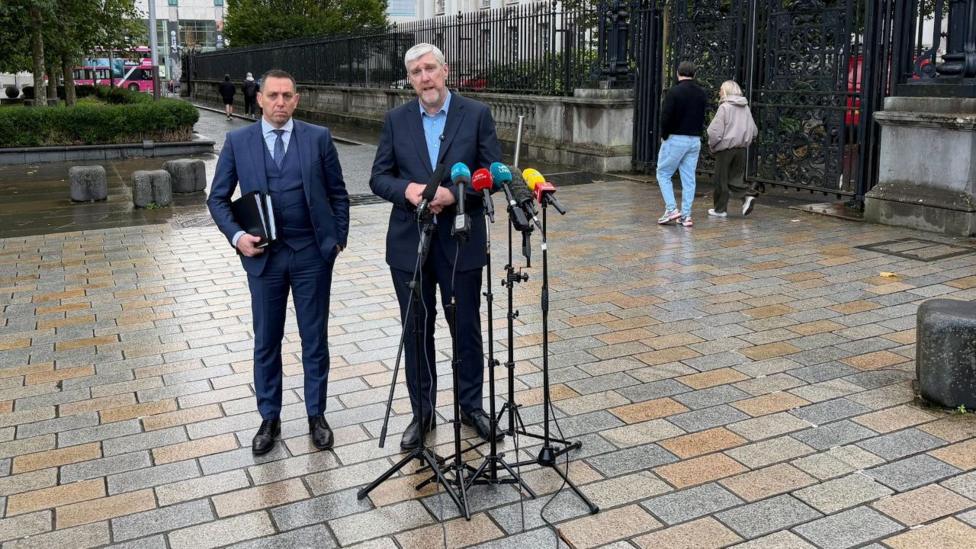
John O'Dowd said he had been 'attending a police interview in regard to his attendance' at the protests on the Garvaghy Road