The key facts
- Serua residents refused relocation and chose to reinforce the village
- 2025 report: nearly 20% of houses in critical condition, only three would withstand a cyclone
- During AFP's visit in October, houses along the northern coast were being repaired
An island under threat, but the residents stay
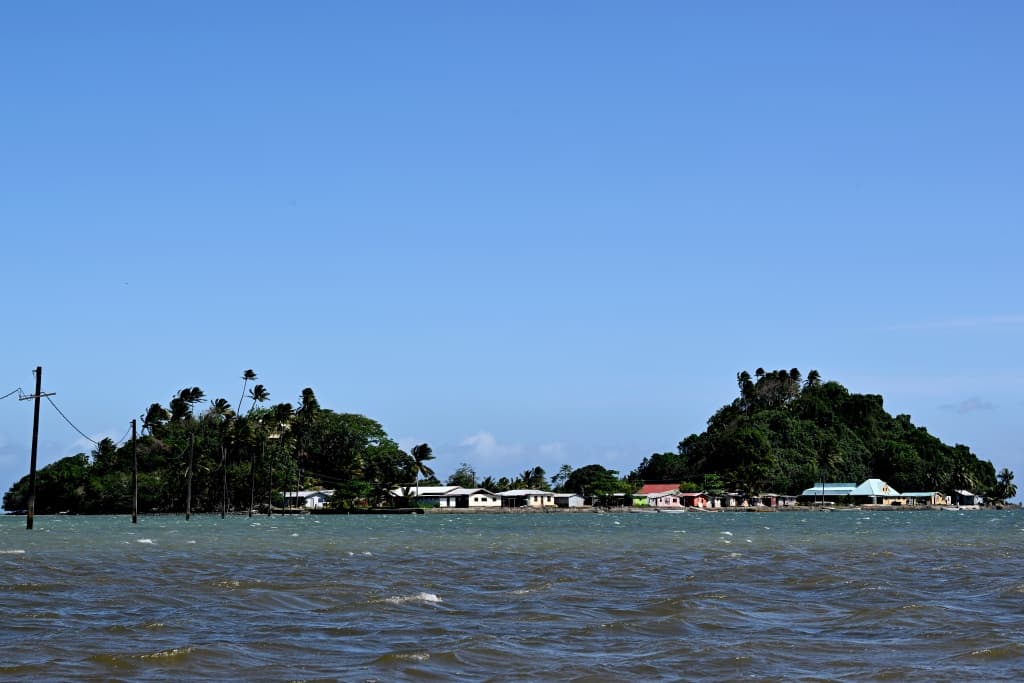
The village of Serua on the tiny island of the same name off Fiji's Coral Coast has rejected calls to relocate to the mainland, despite the growing threat from the sea. This is reported by AFP. From the sea, the island looks idyllic: two steep hills covered with palm trees, coral reefs and waters rich in fish. But on the island itself the risk is obvious — the only protection against waves that already flood the homes is a concrete seawall. 'The stronger the air pressure, the higher the waves. The waves come right into the village,' said resident Avenai Ranuku.
What the risk-reduction plan revealed
In 2025, the village, together with the organization Habitat for Humanity, prepared a detailed disaster risk-reduction plan — instead of relocating, residents wanted to protect their ancestral land and the culture tied to it. The report concluded that nearly 20% of the houses on the island are in critical condition, and only three homes are strong enough to withstand a cyclone. More than half of the houses have a combination of unstable foundations and roofs with weak connections, walls and fastenings. The document also noted increasingly frequent overtopping of the seawall during high and 'king' tides, soil salinization, and water stagnation after rains, which raises health risks.
Work is already underway
Having received the report, the village immediately began reinforcement work. During AFP's visit in October, dozens of workers were repairing houses along the northern coast: flimsy walls and corrugated iron roofs were taken to the mainland by boat. Some houses have already been raised to reduce the risk of flooding, and the rest will soon undergo the same. The report also recommended improving access to the island: at low tide it can be reached on foot, a 750-meter walk following the line of power poles sticking out of the seabed, but at high tide a boat is the only option, and even mooring is unsafe. For most residents, the choice has been made: 'Why should we leave? We have a $100 million view,' says Ranuku, recalling how during the category-five Cyclone Winston the entire village climbed to the top of the hill — 'we leave no one behind, we help everyone.'