The key facts
- The popular initiative to restrict fireworks goes to the vote on 29 November 2026
- An SBC poll showed 69% support among voters, especially among women and left-leaning voters
- An SBC poll showed support from 69% of voters, especially among women and left-leaning voters
- Opponents include the Swiss People's Party, the Centre Party and the Swiss Trade Union
- Opponents include the Swiss People's Party, the Centre Party and the Swiss Trade Association
The vote on 29 November
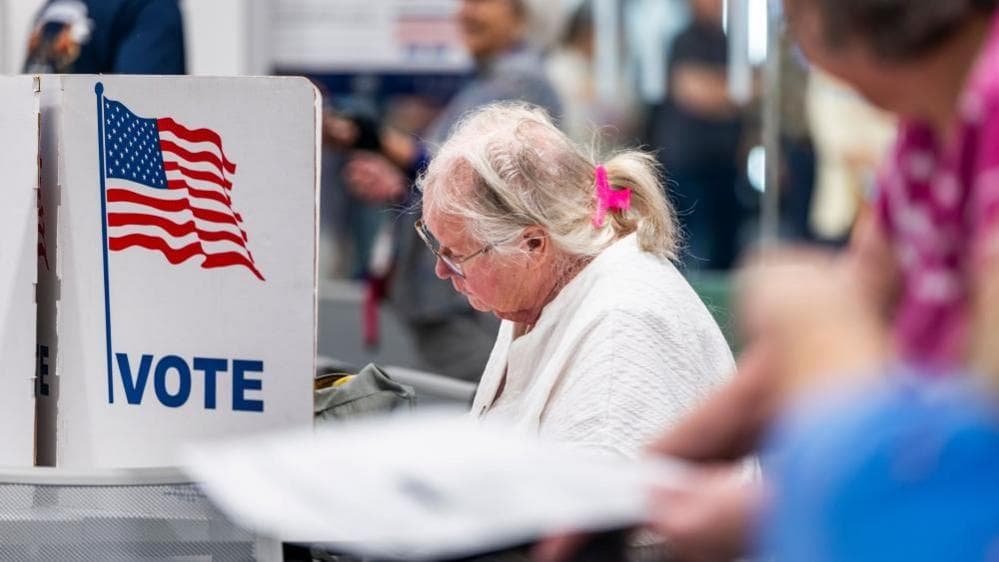
On 29 November, residents of Switzerland will vote on the popular initiative 'For the Restriction of Fireworks', launched by animal welfare and environmental organisations. After the initiative was submitted in 2023, more than 137,000 signatures were collected in its support; an attempt to work out an alternative, milder version failed in the summer, and the question is now being put to a nationwide vote. This was reported by Euronews.
What exactly is proposed to be banned
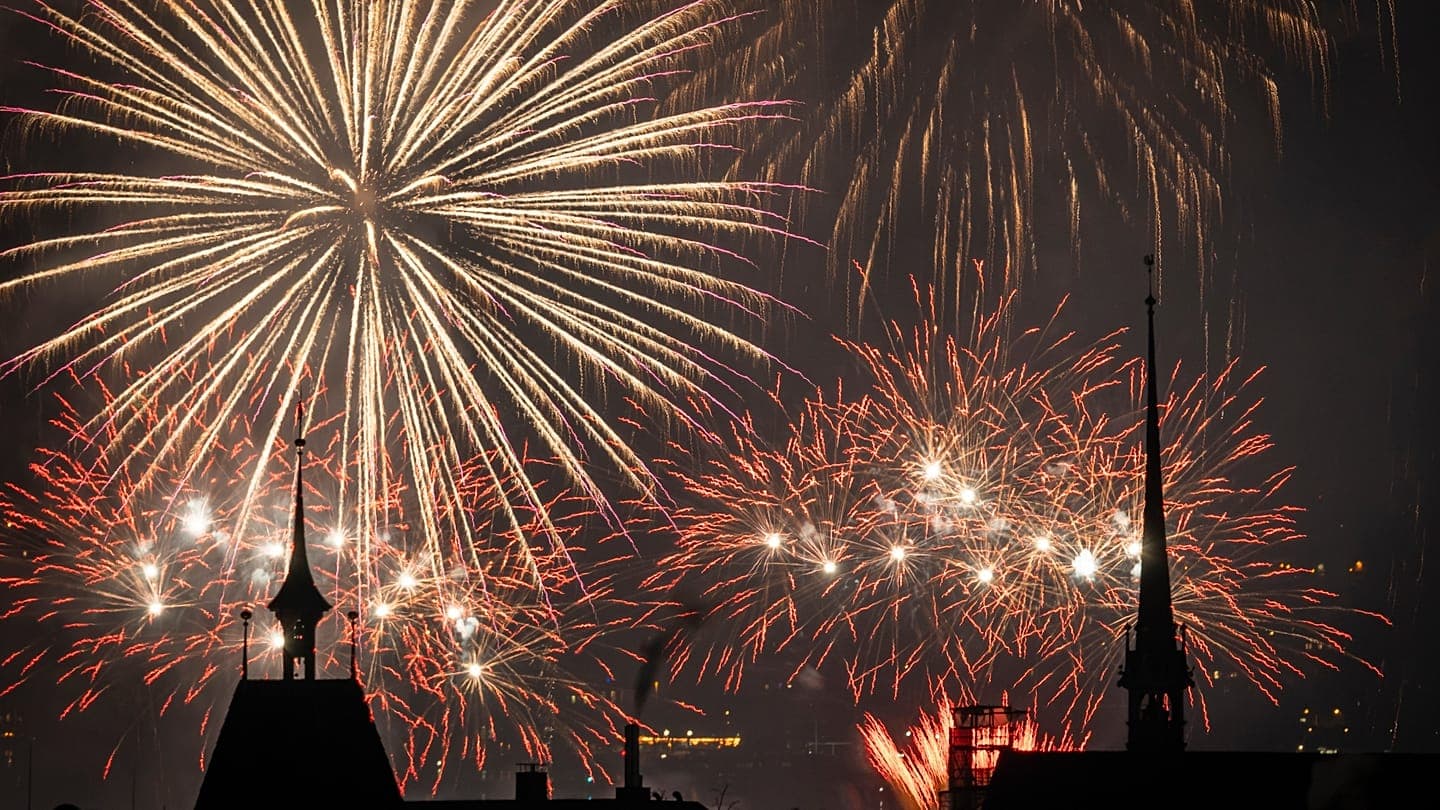
The initiative does not mean a complete ban on pyrotechnics in the country. It proposes to 'substantially restrict particularly loud fireworks that disturb the peace' in the private sector by banning the sale of loud pyrotechnics. Quieter alternatives — sparklers and fountain 'volcanoes' — will remain permitted. Cantonal authorities will be able to make exceptions for events 'of supraregional significance', such as National Unity Day on 1 August and New Year's Eve, but with an emphasis on quieter options. The document also provides for better protection of people and the environment from noise, air pollution, litter, injuries and fires caused by pyrotechnics.
How this differs from the current rules
At present, Swiss cantons and municipalities can already restrict or ban the sale and use of fireworks at the local level, and their use is regulated by age restrictions and licensing requirements. According to the Schweizer Tierschutz STS organisation, which supports the initiative, it would establish a single, clear rule for the whole country instead of a patchwork of local regulations. If the initiative passes, Switzerland could follow the example of the Netherlands, where a broader ban on fireworks came into force this summer — primarily for safety reasons, but also to protect animals and the environment. In Belgium, by comparison, the use of large and powerful pyrotechnics is permitted only to professionals.
The balance of forces and the arguments of the parties
The first poll by the Swiss Broadcasting Corporation (SBC), published on 23 October, showed 69% support for the ban among voters. The initiative is especially popular among supporters of left-wing parties and women, but it gains a majority across the entire political spectrum. Opponents include the Swiss Pyrotechnics Coordination Office (SFK), which calls the initiative 'a threat to Swiss tradition', as well as the Swiss People's Party, the Centre Party and the Swiss Trade Union, which have launched a campaign against the measure. They warn of consequences for businesses and the risk of creating a 'culture of bans'; some politicians argue that the issue should be regulated at the cantonal level and that the initiative infringes on citizens' personal freedom.
Supporters' arguments: animals and the environment
Animal welfare advocates describe fireworks for domestic, wild and farm animals as 'not a celebration but sheer stress': sudden noise, according to STS, causes animals 'fear, panic and disorientation', with consequences ranging from fleeing and acute stress to injuries and death. Veterinarian Maruscha Blase, in a campaign video, notes that animals react more sharply than humans to loud explosions and cites the example of horses, which can bolt unnaturally in panic, creating danger; cats and dogs sometimes have to be given sedatives in advance. Kasimir von Arx, chairman of the Bern branch of STS, reminds us that millions of pets live in Switzerland.
The scale of pollution
The environmental argument is backed by official figures. According to the Swiss Federal Police Authority, between 1,000 and 2,000 tonnes of pyrotechnics are used in the country each year, three quarters of which is packaging; this produces 200 to 400 tonnes of solid particles annually. According to calculations by the Federal Office for the Environment (FOEN), fireworks account for two to three percent of the country's annual particulate matter emissions. These particles, rich in toxic metals from gunpowder and dyes, pollute air, water and soil and are harmful when inhaled, especially for people with chronic illnesses. Unfavourable weather amplifies the effect: fog keeps particles suspended in the air longer, while hot and dry weather increases the risk of fires.