The key facts
- Stubb and Støre initiated the call to Putin, urging an end to the invasion and the start of negotiations
- Frederiksen sharply criticized the uncoordinated initiative, while Kristersson expressed doubt more mildly
- After the call, the leaders contacted Zelensky, but this did not soften the neighbors' criticism
An unexpected call and its initiators
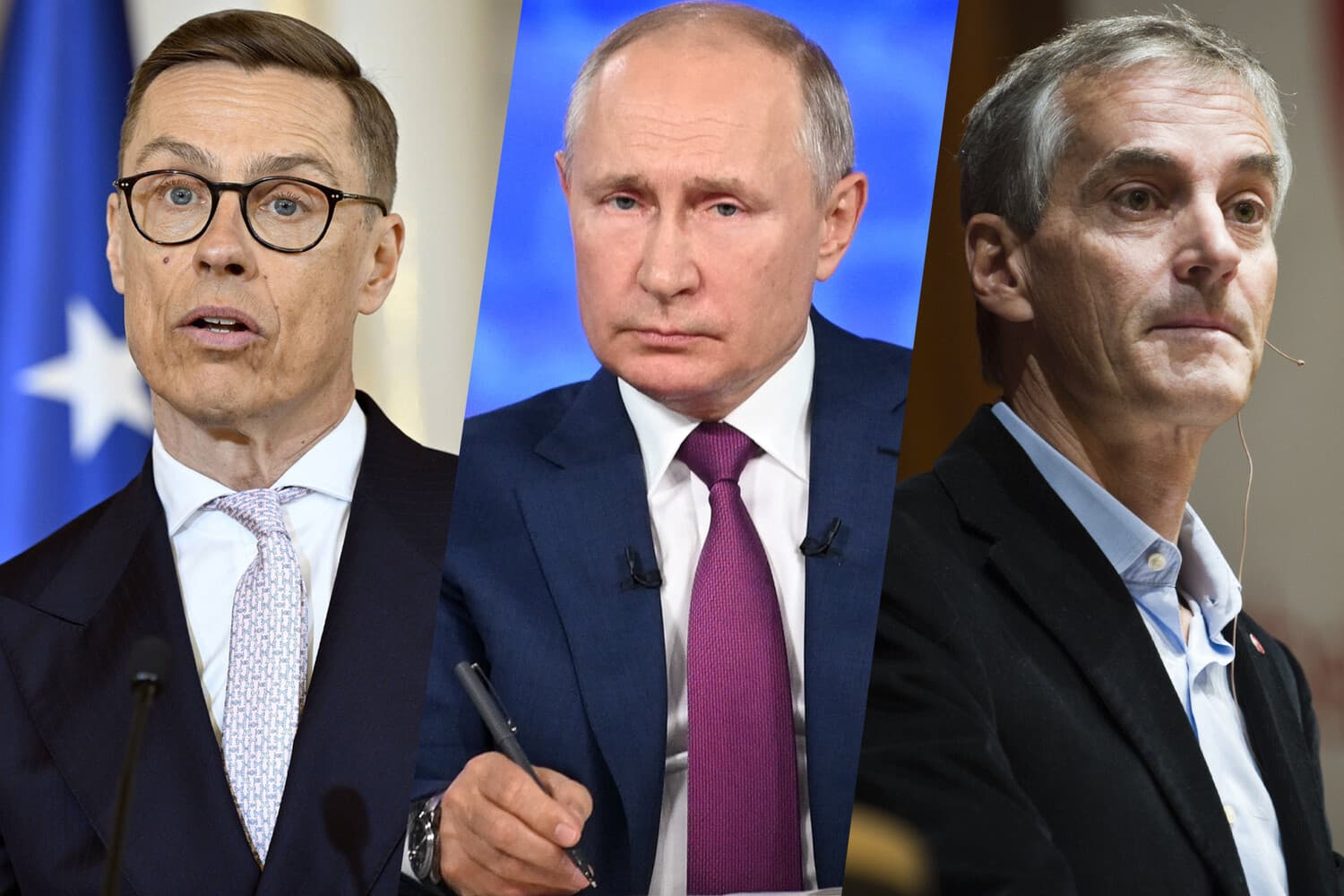
On Tuesday, October 27, President of Finland Alexander Stubb and Prime Minister of Norway Jonas Gahr Støre held a telephone conversation with Russian President Vladimir Putin. According to euronews, the initiative came from Stubb and Støre themselves, who recently hosted another round of peace talks on Ukraine in Oslo. The leaders called on Putin to end the full-scale invasion and begin substantive negotiations for a sustainable peace settlement.
What was said in the conversation
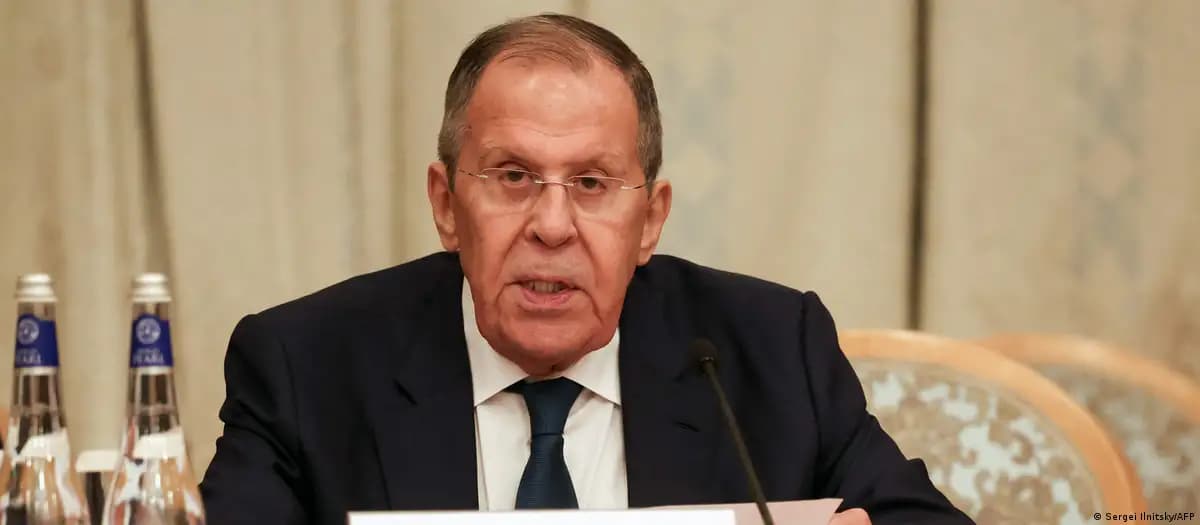
“The discussion was frank and substantive,” Stubb said, adding that the outcome of the war will directly affect the security of Finland and Europe as a whole, and that direct dialogue is needed to end it. Støre emphasized the importance of de-escalation. The published statement clarified that both leaders spoke with Putin as heads of their own states and did not act on behalf of Europe as a whole. Immediately after the conversation, Stubb and Støre called Ukrainian President Volodymyr Zelensky, who thanked them for their “active” support. The Kremlin statement issued after the call, in euronews' assessment, reflected Putin's maximalist position.
Denmark's sharp reaction and Sweden's restrained one
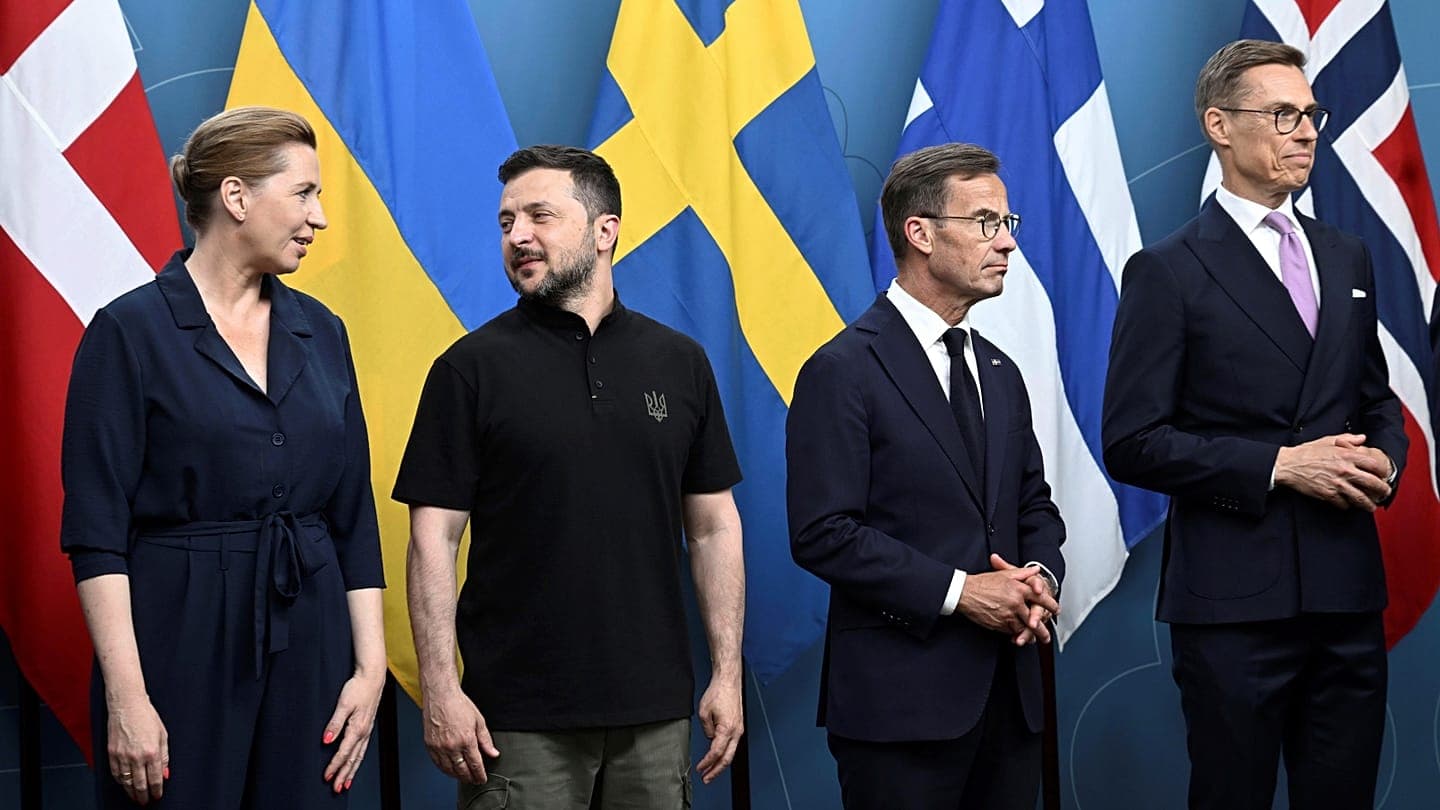
The neighbors' reaction was negative. Danish Prime Minister Mette Frederiksen stated: “I am extremely skeptical of this unilateral initiative by Norway and Finland. It was not coordinated with any of us.” According to her, she sees no signs of Russia's desire for peace with Europe — neither in the daily hybrid warfare nor in Ukraine. Frederiksen drew a parallel with previous solo attempts, in particular Viktor Orbán's visit to Moscow, and said she does not understand what the initiators hope to achieve. Swedish Prime Minister Ulf Kristersson expressed doubt in a milder form: in his impression, everyone wants peace except Putin, and he has “fairly modest expectations” of such direct talks. At the same time, he noted that he did not know what the conversation was about, and that negotiations leading to an acceptable peace on Ukraine's terms would be a good thing.
Response to criticism and the significance of the rift
Responding to the criticism, Støre said that Europe should engage in dialogue with Russia, complementing the signals from the US administration, which has a different view of the war. All four leaders were in Helsinki at the time for the Nordic Council session of heads of state and government. The rift is notable because these four countries usually take a united position on Russia's war against Ukraine: they are among the largest bilateral donors to Kyiv and advocate tightening sanctions against Moscow. Public criticism within this group is a rare occurrence, and the dispute is not about goals but about tactics: the initiators defend direct dialogue, while the critics defend the unity of the European position.