The key facts
- In Atlanta, Lavrov answered “Don't believe them” when asked about The Kyiv Independent's report
- He repeated that Zelensky should come to Moscow and noted that Ukraine is not a G20 member
- The Kyiv Independent, citing Ukrainian officials, reported that Moscow seeks to replace an in-person meeting with a phone call
What happened
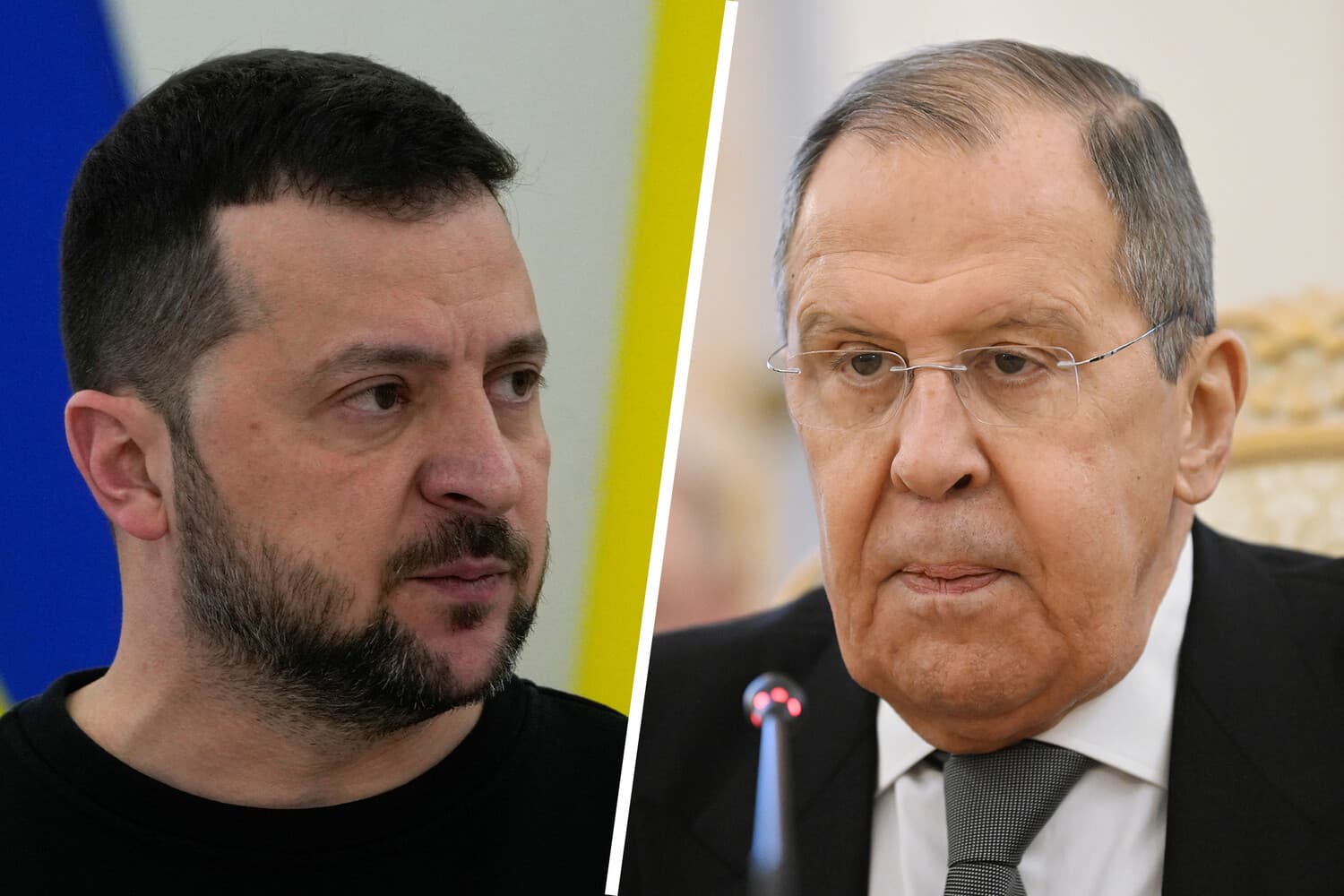
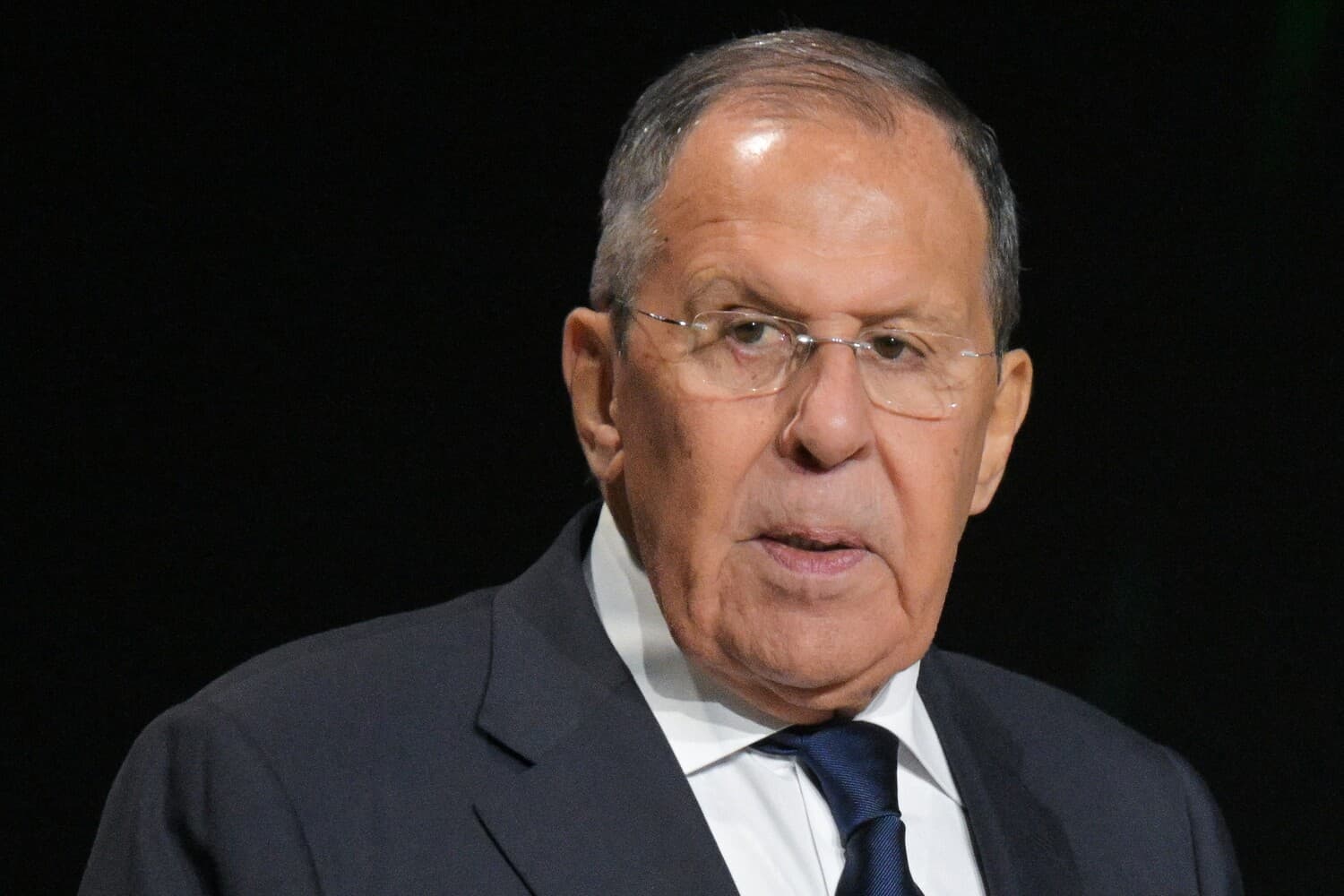
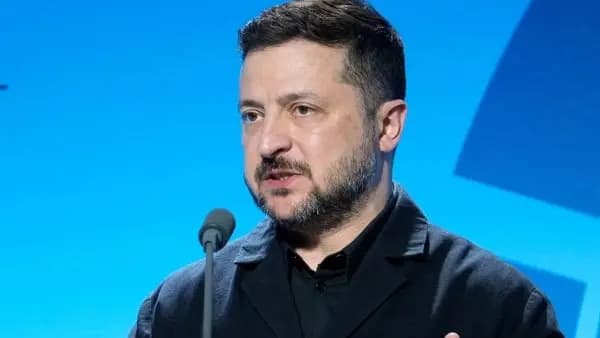
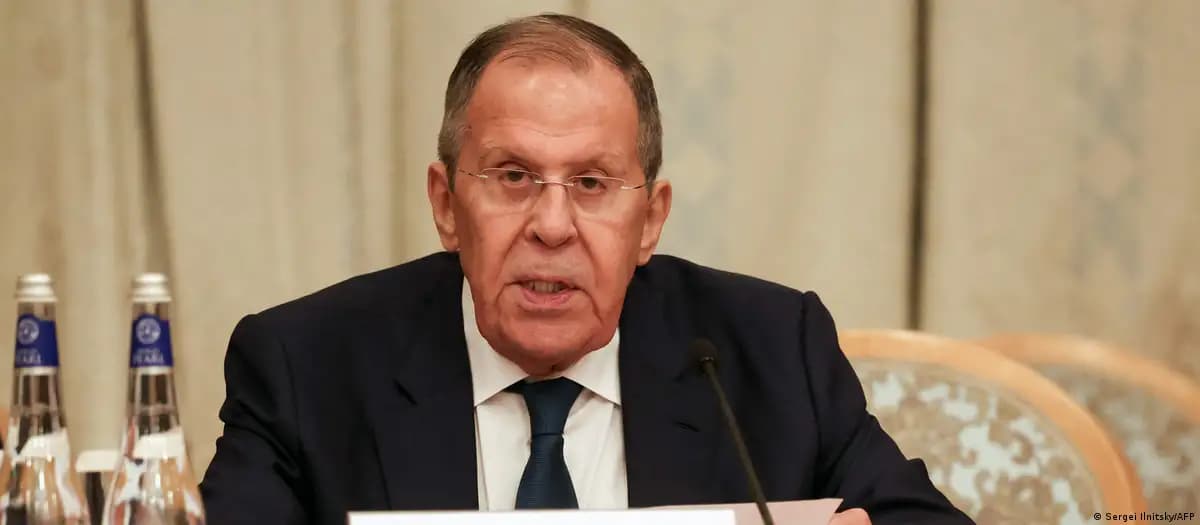
Russian Foreign Minister Sergey Lavrov dismissed a report claiming that Moscow is allegedly seeking to arrange a phone call between Vladimir Putin and Volodymyr Zelensky instead of an in-person meeting. This was reported by Kun.uz, citing DW: the minister was answering journalists' questions on the sidelines of the G20 foreign ministers' meeting in Atlanta, USA.
Lavrov's response and the context of the report
A DW correspondent asked Lavrov about a report by The Kyiv Independent, which, citing senior Ukrainian officials, said that Moscow is trying to replace an in-person meeting with a phone call, and that the Russian side had previously already attempted to arrange such a format. According to DW, Lavrov replied: “Don't believe them”, and then repeated Putin's earlier position: if Zelensky wants a meeting, he should come to Moscow.
Question about the Miami summit
The journalist also asked whether the two leaders might meet at the G20 summit, which will take place in Miami in December. Lavrov noted that Ukraine is not a member of the G20 and again repeated the point about coming to Moscow, DW reports.
What The Kyiv Independent was citing
A few hours before Lavrov's remarks, The Kyiv Independent, citing Ukrainian officials, wrote that Moscow is seeking to replace an in-person meeting with a phone call. As an argument, the outlet cited a statement by Kremlin press secretary Dmitry Peskov on October 30: he said that Putin is “ready to talk to everyone,” and when asked whether the Russian president would answer a call from Zelensky, he replied that “no one has called yet.” The Kyiv Independent's sources suggested that the phone format could be an attempt to avoid negotiations on the key issues, and believed that important agreements and security guarantees would require a trilateral format involving the United States, with the Europeans also brought into the talks.