The key facts
- Qatar urged Iran to 'show good will': stop threatening the region and open the Strait of Hormuz
- In Tehran, meetings took place between the Saudi defense minister, the Pakistan army chief and the head of Turkish intelligence with the Iranian leadership
- Oil flows through the strait are at about 60% of the norm; Brent rose above $117 a barrel
Doha's call amid ongoing mediation
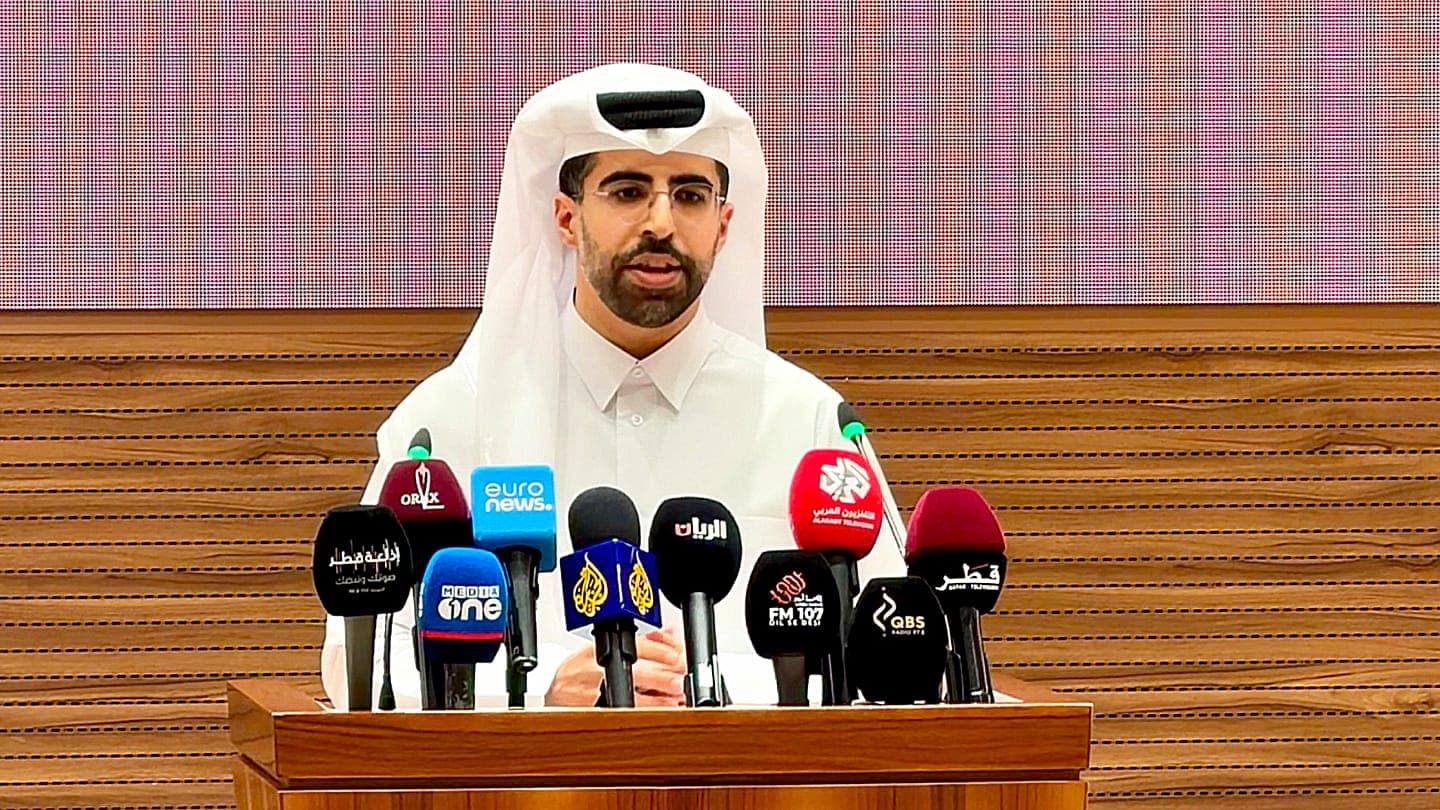
On Tuesday, Qatar called on Iran to 'show good will' by ceasing threats against the countries of the region and reopening the Strait of Hormuz. The statement was made at the weekly briefing in Doha by the director of the media and communications department of Qatar's Foreign Ministry, Ibrahim bin Sultan al-Hashimi, who noted that 'positive statements have been voiced from the Iranian side, but they still need to show good will.' Euronews reported this.
Talks without a breakthrough
According to al-Hashimi, the recent visit of a Qatari delegation to Tehran was part of mediation efforts together with Pakistan and other regional partners. Asked whether the delegation brought a new proposal, he replied that an exchange of messages and ideas with both sides is ongoing, but he gave no details and announced no breakthrough. He added that both Washington and Tehran speak both of further escalation and of the possibility of a diplomatic solution: 'A mediator always holds on to that window of hope.'
Regional meetings and the Saudi track
On Monday, Saudi Defense Minister Prince Khalid bin Salman, Pakistan's army chief Asim Munir and the head of Turkish intelligence Ibrahim Kalin met with the Iranian leadership in Tehran. The three countries signed a joint defense pact in August, concluded in Mecca; Iranian state media reported that all four countries agreed to continue talks on peace and security. Al-Hashimi said that Qatar and its Gulf neighbors are ready to take part in a regional security architecture based on respect for sovereignty and a commitment not to attack one another, and that Riyadh's efforts complement the work of Qatar and Pakistan. The talks are taking place amid ongoing attacks by Iran-backed Yemeni Houthis on Saudi Arabia: on Monday, Egypt's parliament authorized military assistance to defend the kingdom.
What divides the sides and what is happening with the strait
The US and Iran remain at odds over the terms of a deal: Tehran demands the lifting of the blockade of ports and sanctions on Iranian oil exports, while Washington insists on reducing uranium enrichment levels. The war began with US and Israeli strikes on Iran in late February; Iranian shipping restrictions and the American blockade have severely disrupted movement through the Strait of Hormuz — the key export route for oil and gas from the Gulf. Last week Brent rose above $117 (€105) a barrel — the highest since April — after Iranian attacks on tankers near the strait; according to ANZ research, oil flows through the strait were at about 60% of the normal level.