The key facts
- RSCEMC teams will train specialists in the regions; internships will last 3–4 months
- From 2027, the heads of 26 specialized centers will move to annual contracts with public reporting
- Medical staff salaries will be tied to KPIs, including citizen satisfaction; up to 10 AI solutions will be introduced in cardiology, hepatology, ophthalmology and hematology
New personnel training system and contract model
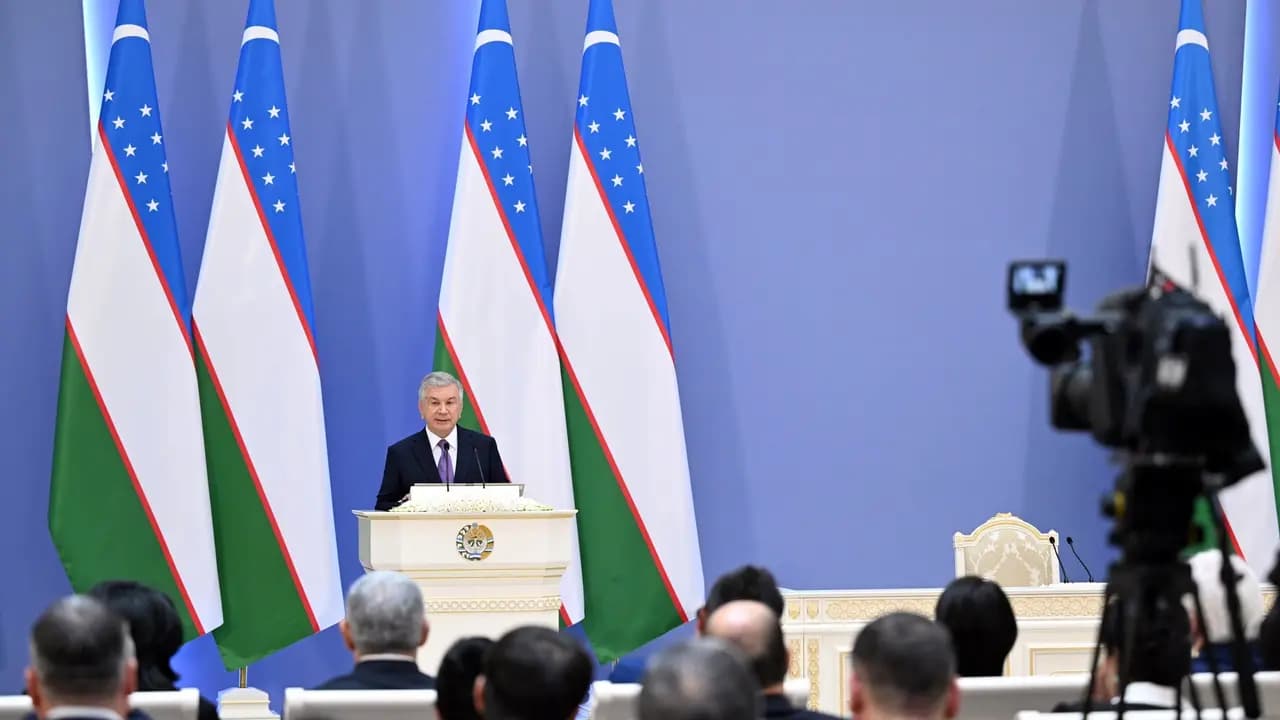
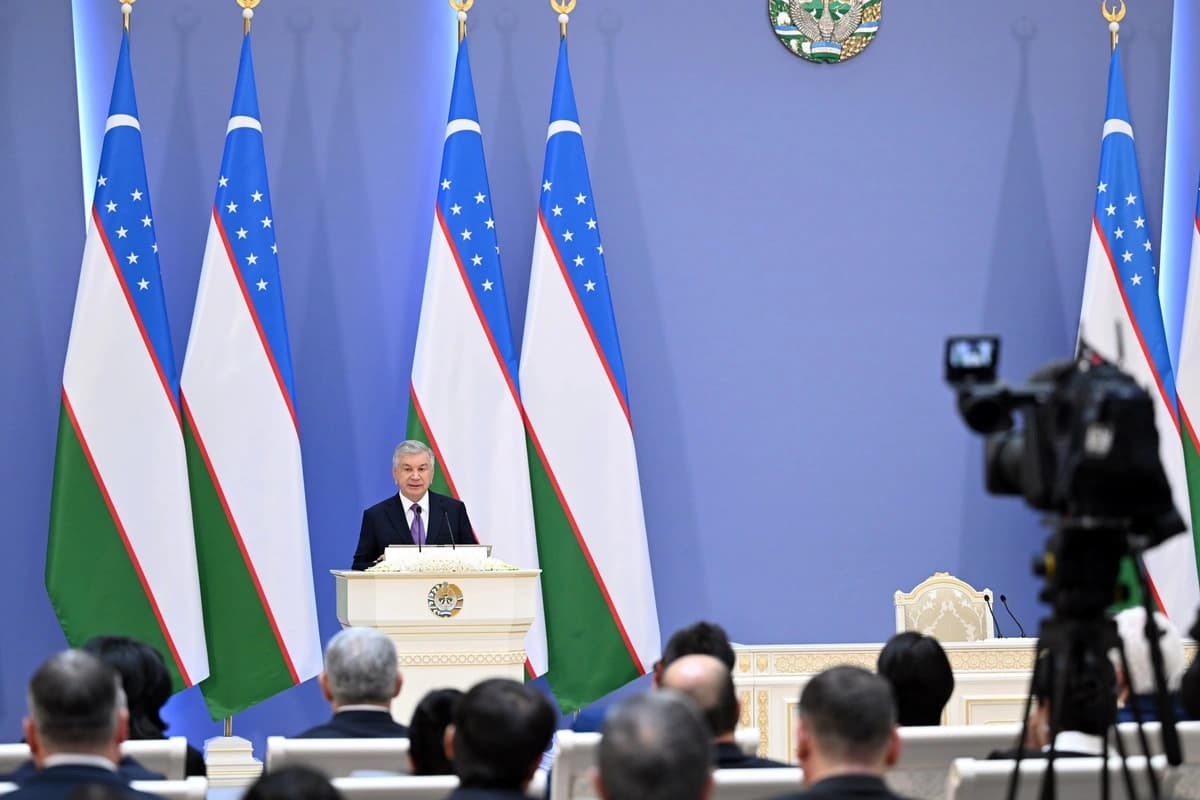
On October 27, President Shavkat Mirziyoyev held a meeting with healthcare and pharmaceutical workers, at which he announced the introduction of a new system for training medical personnel in the regions, reports Spot.uz. Teams of staff from the Republican Scientific Center for Emergency Medical Care — a neurosurgeon, an anesthesiologist, a resuscitation specialist, a physician assistant and nurses — will form groups of employees in local medical institutions capable of providing qualified care to patients. These employees will then complete internships at the RSCEMC lasting 3–4 months, and later the system will extend to other specialized medical institutions.
Managers' accountability and public evaluation
From 2027, the heads of all 26 specialized medical centers will move to annual contracts. Their duties will include implementing innovations and scientific developments, as well as improving the qualifications of lower-level staff. The centers' work will be studied by foreign experts from reputable university clinics to identify shortcomings and set priority tasks; at the end of each year, every director will report to the public, and the decision on contract renewal will be made based on performance results. A separate directive will be a mechanism for the public to evaluate the work of doctors in hospitals and polyclinics: medical staff salaries will be tied to performance indicators (KPIs), including the degree of citizens' satisfaction with services.
Artificial intelligence and technology
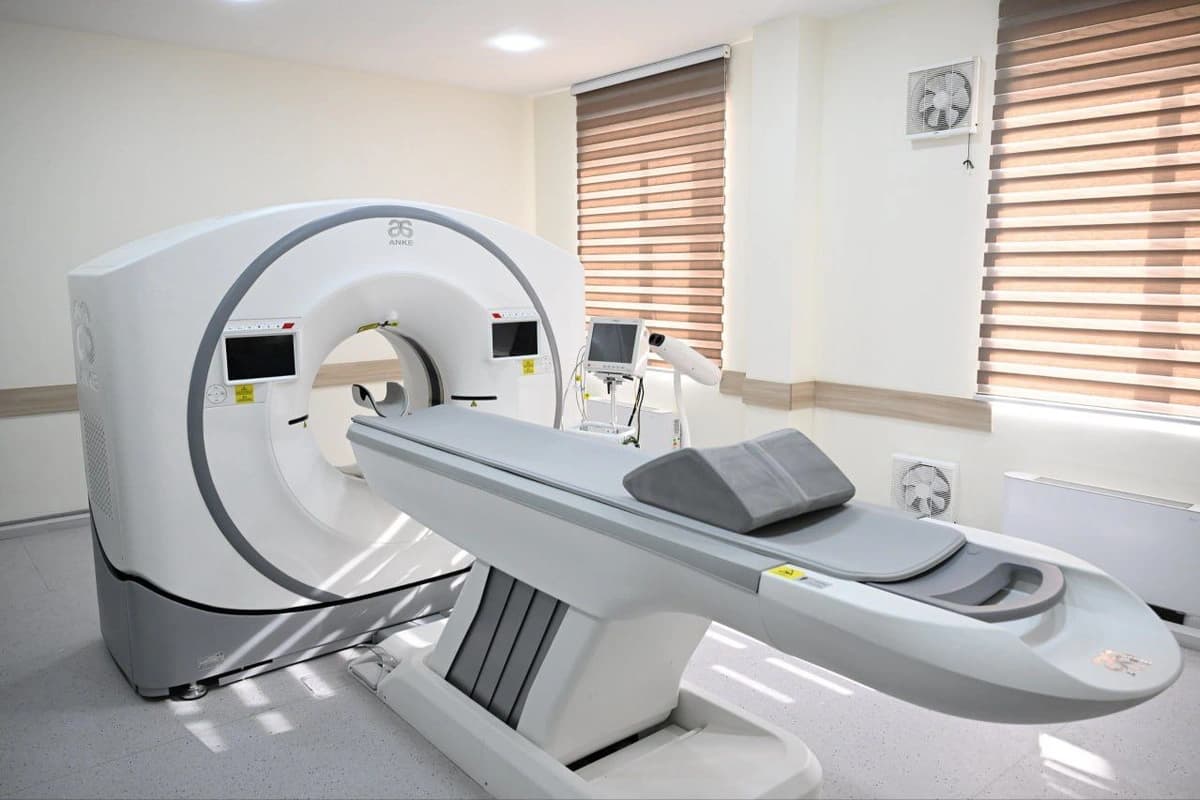
In cardiology, hepatology, ophthalmology and hematology, it is planned to introduce up to 10 artificial intelligence-based solutions — they will allow remote patient monitoring and diagnosis based on speech. Attention to staff use of technology will be strengthened: each region will hold competitions for the best IT operators and digital medicine doctors with cash prizes of up to 100 million soums.
Benefits, allowances and attracting compatriots
For doctors with 15 or more years of experience, 50 billion soums in mortgage subsidies will be allocated, and for 500 young specialists per year, a payment of 25% of the mortgage down payment is being introduced. Allowances for doctors in remote areas will more than double from 2027 — from 2 million to 4.5 million soums, and doctors who relocate to a remote region will receive a one-time bonus of 50 million soums. A separate priority is attracting doctors from among compatriots with foreign experience: they are promised allowances of up to 50 million soums, workplaces with modern equipment and the right to independently assemble their teams.
Powers of medical associations
The President called on medical associations to be more active in organizing doctors' professional development abroad and introducing new treatment methods. To this end, a decree has been signed expanding the associations' powers and providing for elections of their leadership every 2–3 years. Earlier, Spot reported that $200 million will be provided for the construction of private clinics in districts.