The key facts
- Lula received more than 64.2 million votes — 4.4 million more than Flavio Bolsonaro
- Flavio Bolsonaro called the extension of voting 'unacceptable' and demanded the election be annulled
- Brazilian markets fell by almost 17%, and the dollar rose sharply against the real
Lula wins the election in Brazil; Bolsonaro refuses to recognize the result
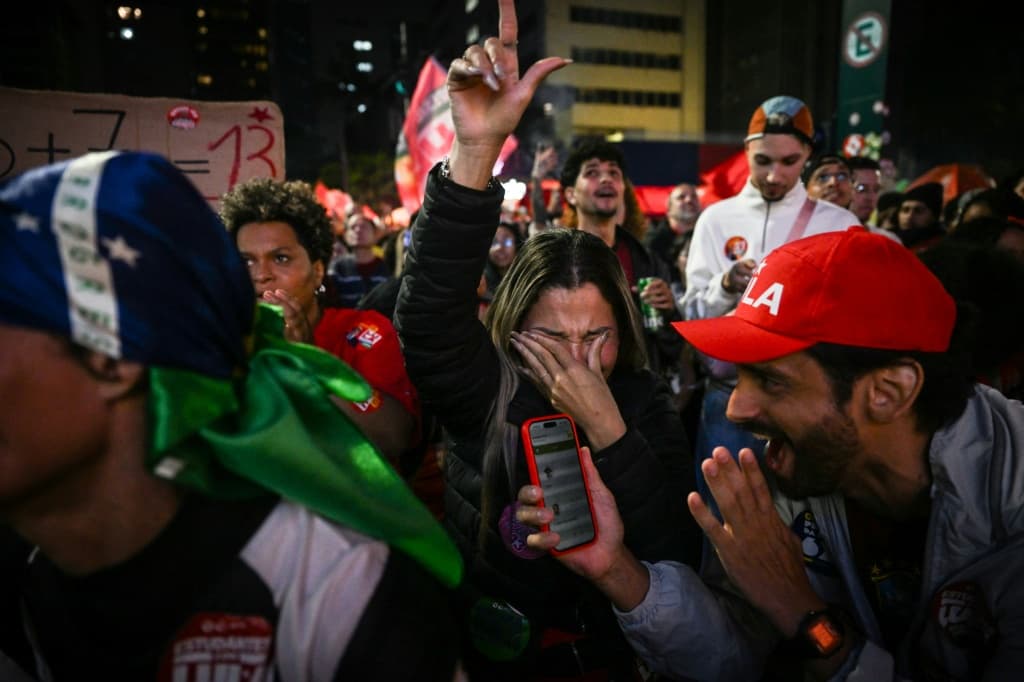
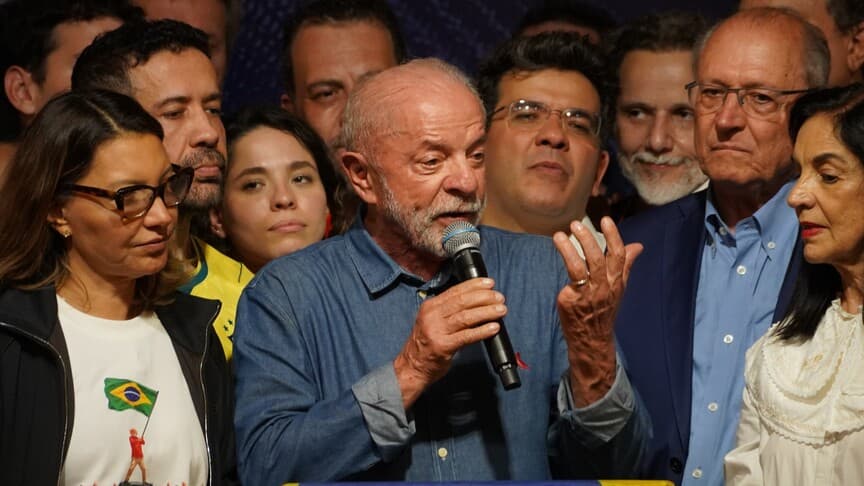
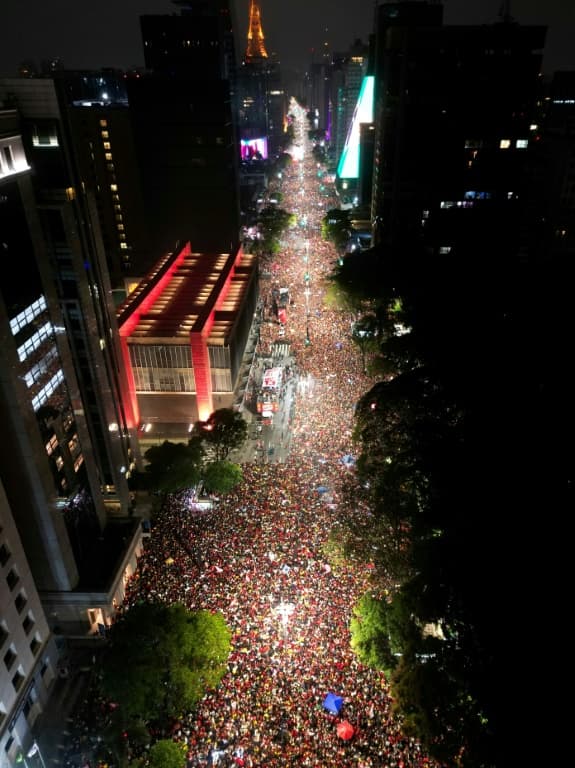
Brazilian President Luiz Inacio Lula da Silva has been re-elected to a fourth term. According to AFP,he beat his rival Flavio Bolsonaro by roughly 4.4 million votes, receiving more than 64.2 million in total — the highest number ever counted in Brazil. The victory was a comeback after losing the first round: Lula's campaign intensified under the slogan 'Never Again Bolsonaro,' turnout in the second round rose from 21% to 19%, and the share of spoiled and blank ballots declined. 'I owe this victory to the defiant youth who rose up in defense of democracy,' Lula told supporters in Sao Paulo.
Contesting the results
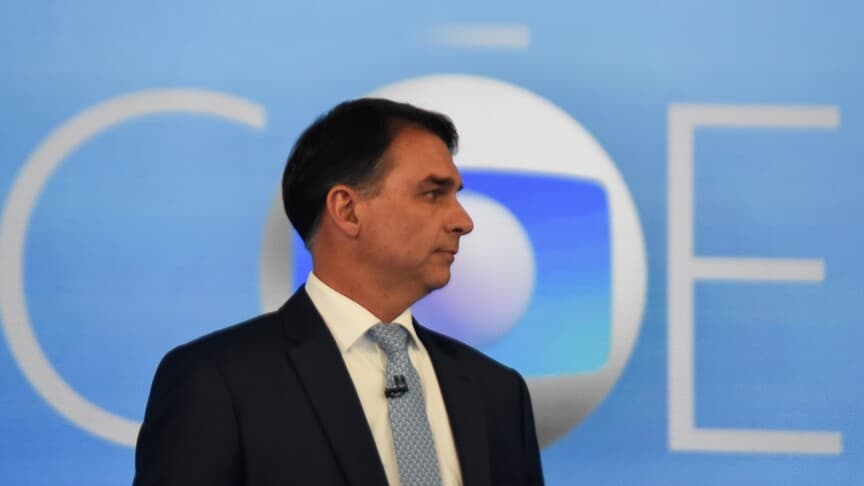
Flavio Bolsonaro, a senator and son of former president Jair Bolsonaro, refused to concede defeat and demanded that the election be annulled. The trigger was a two-hour extension of voting in a number of cities at Lula's request due to transport problems; Bolsonaro himself had also asked for an extension in some regions because of heavy rains, but called the decision 'unacceptable' and a 'dirty trick.' Alexandre de Moraes...
Global and market reaction
Congratulations to Lula came from European countries, Russia, China, India, South Africa and other states, including several right-wing Latin American governments close to Trump. Colombian politician Abelardo de la Espriella, who supported Bolsonaro, said: 'When the people speak through the ballot box, their will must be respected, for it is sacred.' Donald Trump, an ally of the Bolsonaro family, has not yet commented on the outcome. The markets reacted sharply: according to AFP, Brazilian indices fell by almost 17%, and the dollar rose sharply against the real — investors responded to the re-election of a left-wing politician who promised more social spending against the backdrop of growing public debt.
What lies behind the result
Olivier Stuenkel, a professor of international relations at the Getulio Vargas Foundation, told AFP that the significant margin would make it difficult to persuade voters of fraud. In his assessment, Bolsonaro's initial victory in the first round turned out to be 'poison' for his campaign: aides publicly divided up key posts, and the candidate himself appeared overly confident — he even held a video call with de la Espriella, discussing security cooperation and inviting him to the inauguration. Political analyst Thomas Traumann described the outcome as 'a victory of fear over the return of Bolsonaro' in a campaign marked by insults, scandals and intimidation from both sides. Separately, AFP reports that Brazilian police are investigating a corruption case against Flavio Bolsonaro over the financing of the biographical film 'Dark Horse' about his father.