The key facts
- Lula da Silva won the second round with 51.76% of the vote (over 60 million ballots) against 48.24% for Flávio Bolsonaro
- Bolsonaro announced his intention to seek annulment of the election through lawyers over the extended voting hours
- Justice Cristiano Zanin extended voting by two hours five minutes before the scheduled closing of polling stations
Second-round results
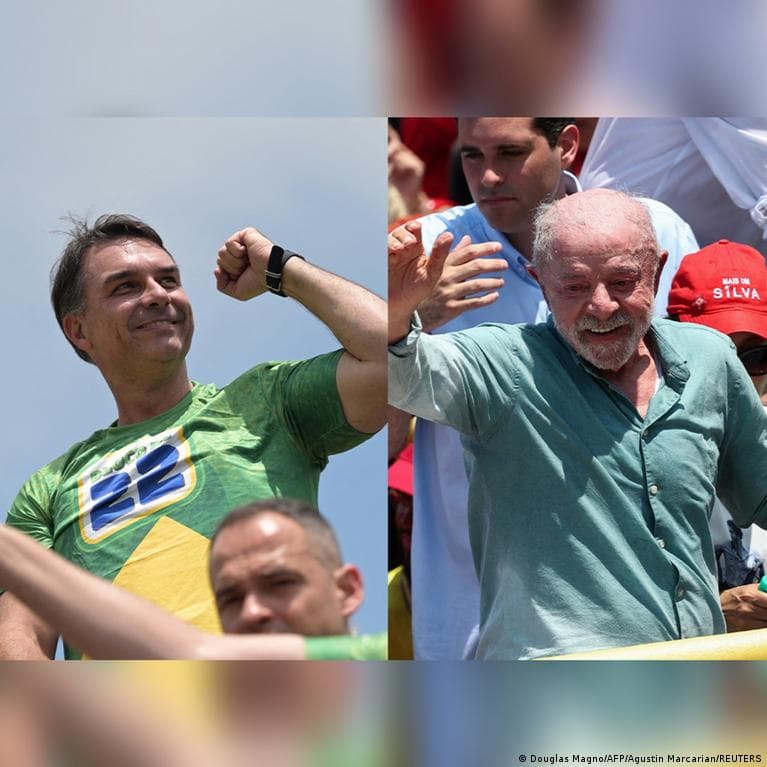
Brazil's incumbent president Luiz Inácio Lula da Silva has been re-elected to a fourth non-consecutive term following the second round held on October 25. According to Anadolu, he received 51.76% of valid votes — more than 60 million ballots — against 48.24% for Liberal Party senator Flávio Bolsonaro. The outlet Kun.uz, citing DW, gives rounded figures: 51.8% versus 48.2%.
First-ever comeback from a first-round deficit
Lula's victory was historic: as Anadolu notes, he became the first Brazilian presidential candidate to overcome a first-round deficit since the two-round system was introduced in 1989. On October 4, Bolsonaro led with 47% against Lula's 45%. Kun.uz also calls this the first case in Brazil's history when a candidate who placed second in the first round won the final vote.
Contesting the results
Flávio Bolsonaro did not concede defeat. Shortly after the Superior Electoral Court (TSE) declared Lula's victory, he told supporters that his legal team would file an official petition to annul the election. «I will not accept that the rules of the game have once again been arbitrarily changed by Lula's friends on the Federal Supreme Court,» Anadolu quotes him as saying.
Dispute over extended voting hours
Bolsonaro's complaint stems from a decision by Federal Supreme Court (STF) justice Cristiano Zanin, who, citing emergency petitions about transport blockades and bad weather, extended voting nationwide until 7:00 p.m. Brasília time just five minutes before the scheduled closing of polling stations. According to Kun.uz, the extension of polling hours had previously been requested by both Lula himself and Bolsonaro himself. Bolsonaro also pointed out that before his appointment to the supreme court, Zanin had worked as Lula's personal lawyer, Anadolu writes.
Reaction and campaign context
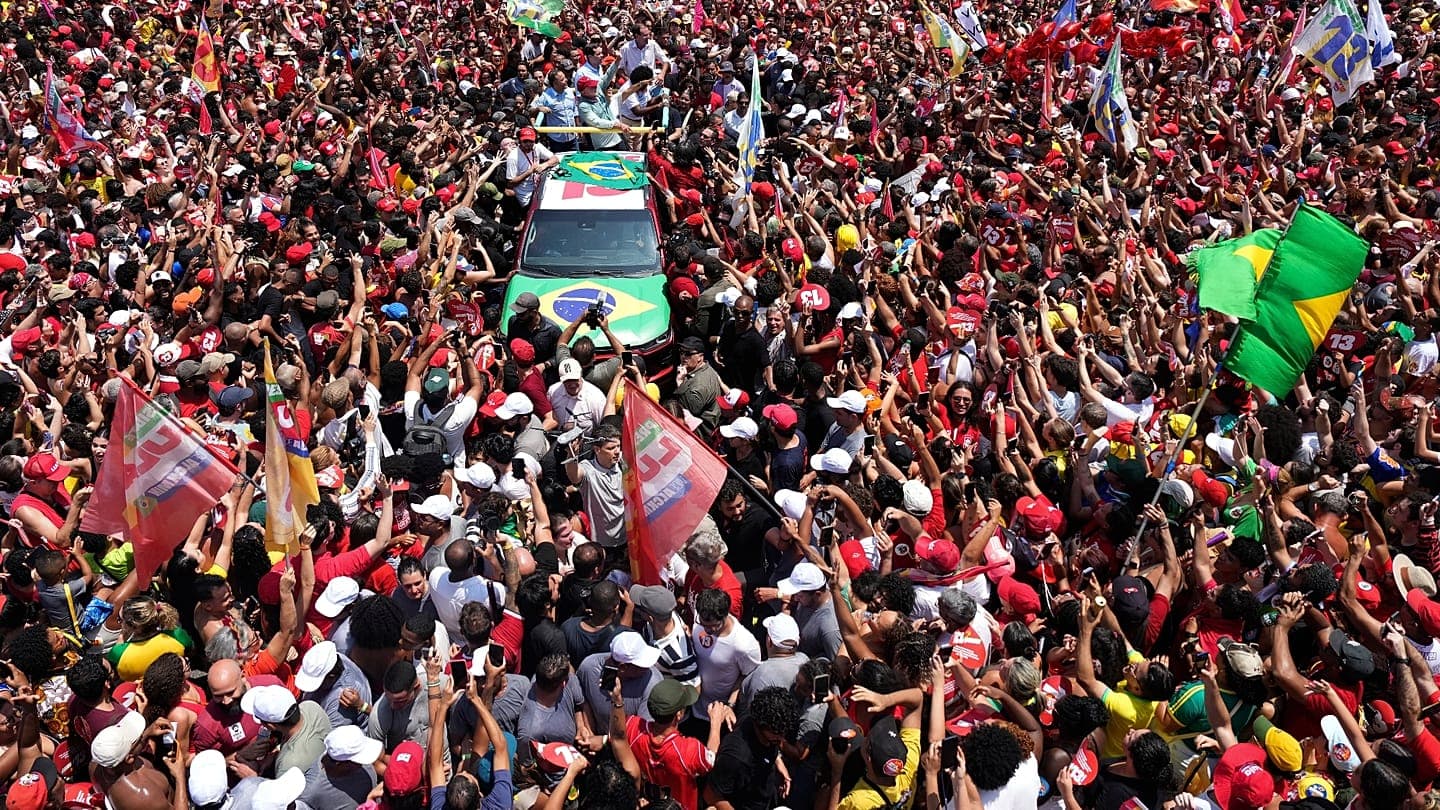
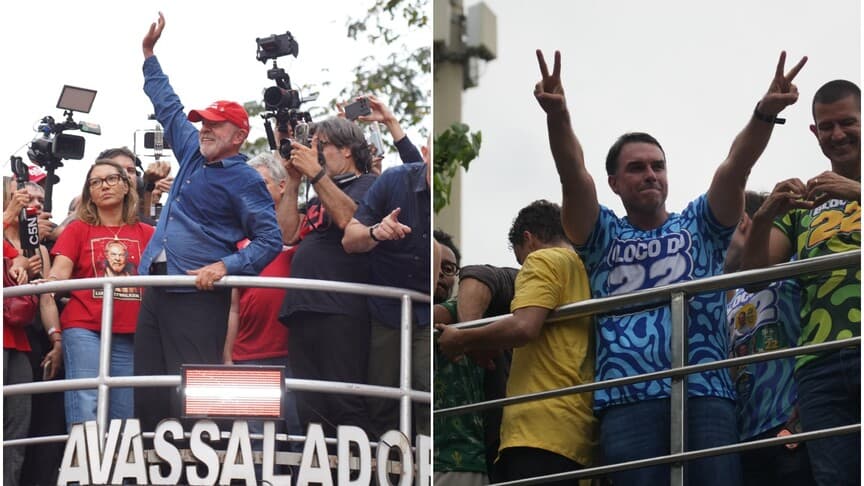
After the results were announced, Lula's supporters took to the streets: according to AFP figures cited by Kun.uz, fireworks and vuvuzelas sounded in Rio de Janeiro, while in São Paulo thousands of people gathered dressed in red — the color of the Workers' Party led by Lula. The campaign itself, according to the sources, was one of the most turbulent in modern Brazilian history: the contest took place against a backdrop of concern over the rising cost of living and crime, and was accompanied by corruption scandals, economic instability, and accusations of US interference.
What comes next
Anadolu notes that the Liberal Party campaign's lawsuit is expected to lead to intense legal battles in Brasília, as electoral authorities prepare to certify the final election results. The outcome of the challenge remained unknown at the time the sources were published. For Brazilian politics, this means a prolonged phase of legal disputes immediately after the announcement of the results, while the practical resolution depends on decisions by electoral and judicial bodies.