The key facts
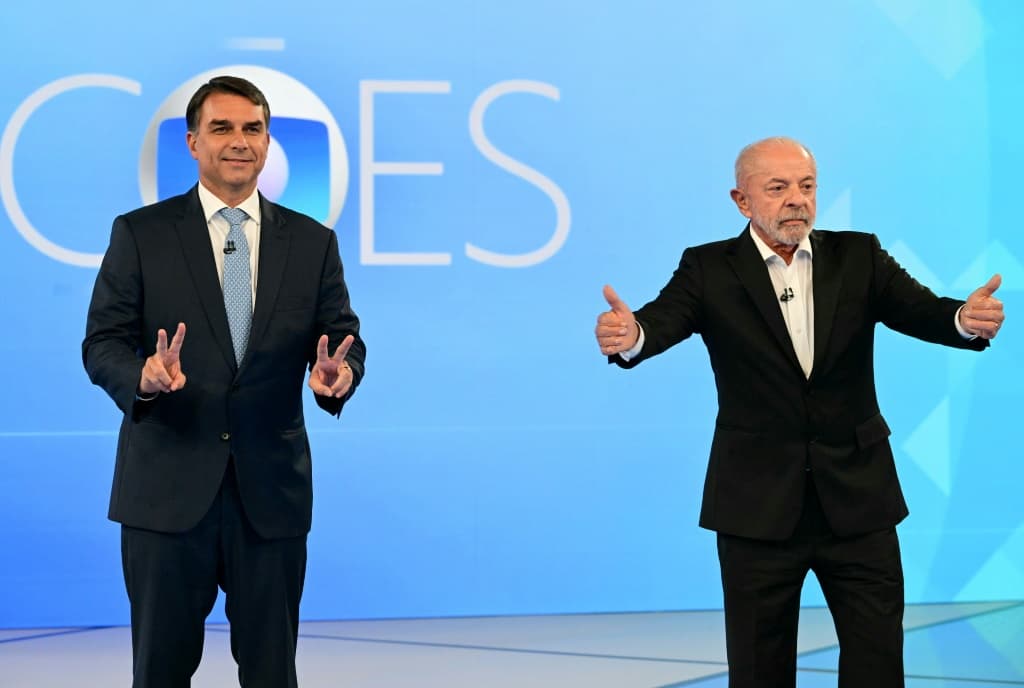
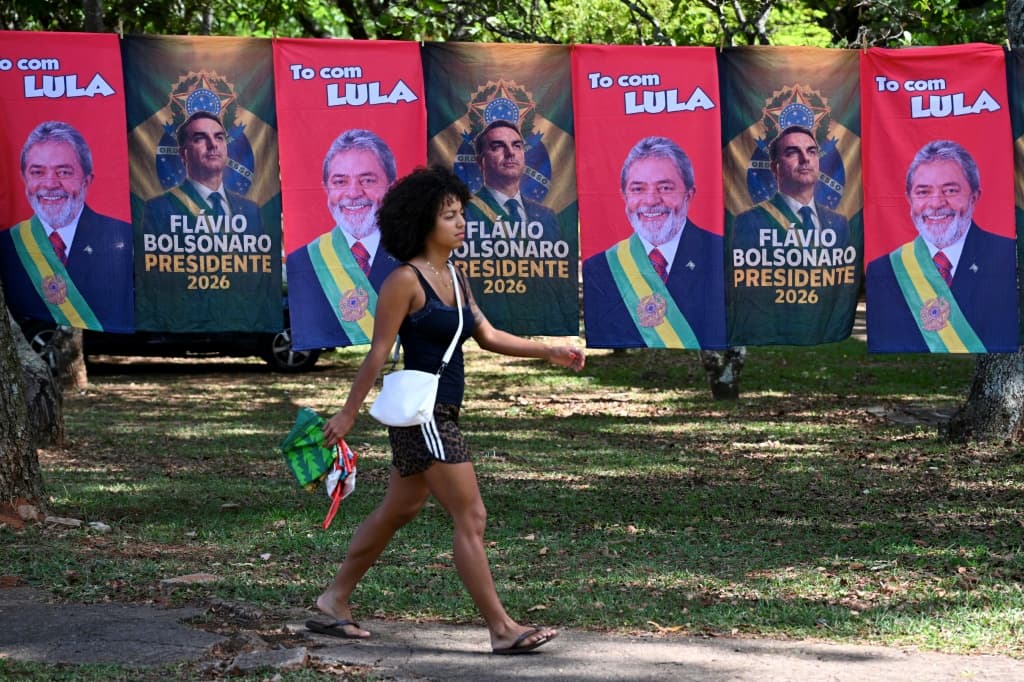
- Lula re-elected president of Brazil with 51.76% of the vote (more than 60 million ballots) against 48.24% for Flavio Bolsonaro
- Congratulations came from the presidents of Mexico, the Dominican Republic, Uruguay, Paraguay, Bolivia and Panama
- US Senator Bernie Sanders praised Lula for defending workers' rights and democracy
Election Victory
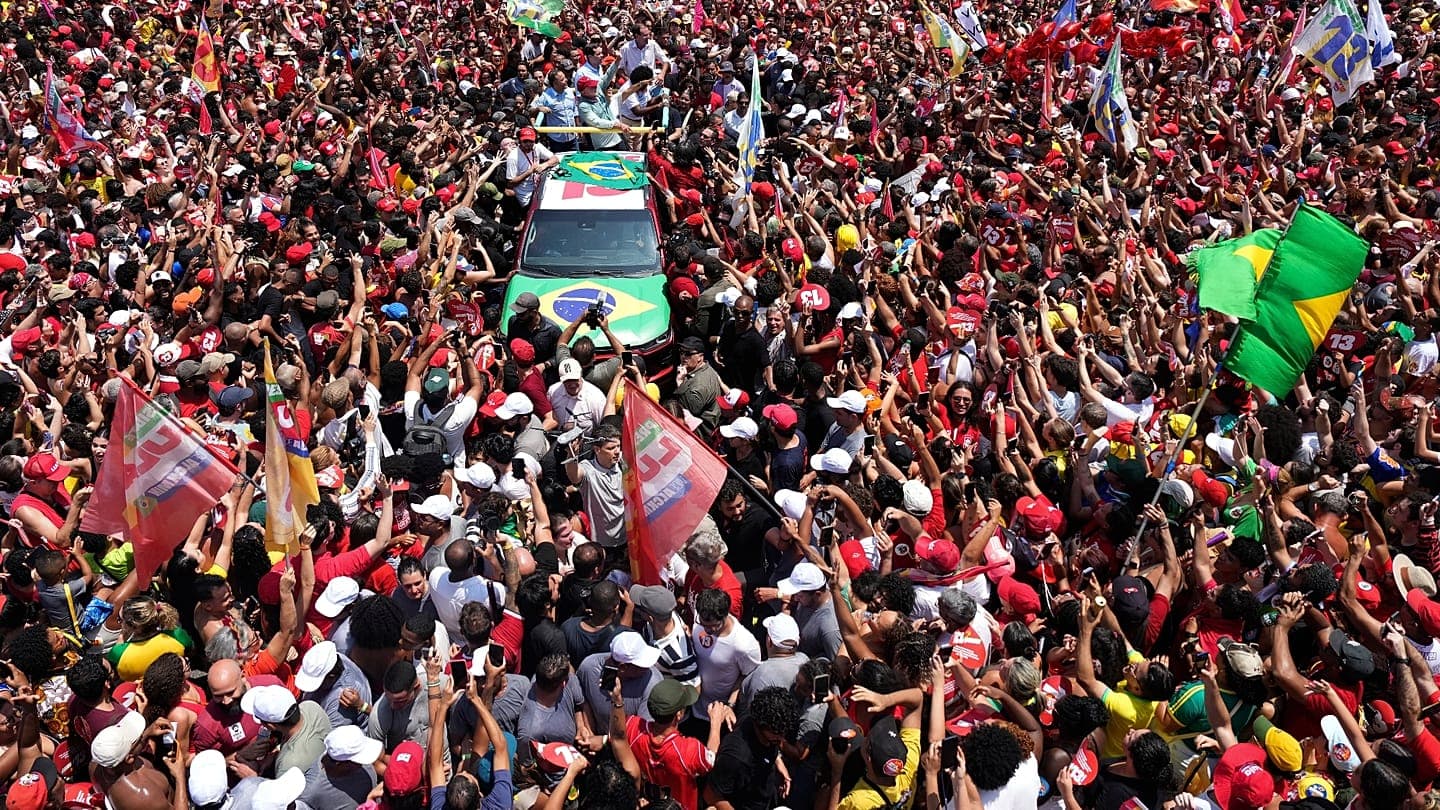
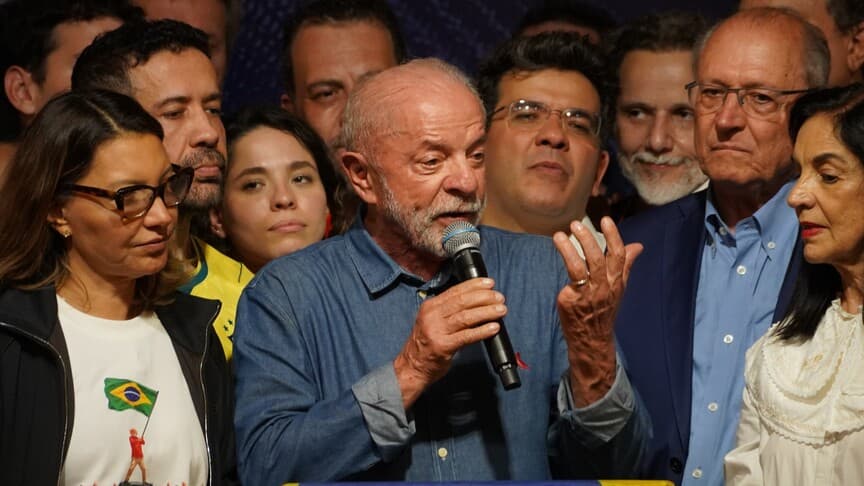
Luiz Inacio Lula da Silva has been re-elected president of Brazil following the second round of voting, Anadolu reports. According to the outlet, he received 51.76% of valid votes — more than 60 million ballots — against 48.24% for Senator Flavio Bolsonaro. This is Lula's fourth non-consecutive term as head of state, which the outlet describes as a historic result.
Congratulations from Latin America
The first to congratulate Lula was Mexican President Claudia Sheinbaum, who called the outcome of the vote a victory for democracy and for the Brazilian people. Dominican Republic President Luis Abinader noted the high voter turnout and expressed hope for joint work toward 'a more integrated and prosperous Latin America' over the new four-year term. Uruguay's President Yamandu Orsi said he had personally spoken with Lula by phone and congratulated him on the victory and on the 'democratic celebration' that the electoral process became. Paraguay's President Santiago Pena emphasized the shared agenda of integration and development between the two neighboring countries, while Bolivia's President Rodrigo Paz highlighted the historic ties and common challenges facing the neighboring states. Panama's President Jose Raul Mulino also pledged to continue cooperation. All the messages were published on the social network X.
Reaction in the United States
Among American politicians, according to Anadolu, Senator Bernie Sanders congratulated Lula. In a post on X, he praised the re-elected president for defending Brazilian workers and democracy and expressed confidence that he would continue on this course over the next four years.
Significance of the Result
Lula's re-election sets the course of Brazilian politics for the next four years and, judging by the tone of the congratulations from neighboring countries, preserves the current agenda of regional integration — something specifically mentioned by the leaders of Paraguay, Bolivia and the Dominican Republic. For Brazilian citizens, the practical consequence will be the continuation of the incumbent president's policies in the new term. It should be noted that the available publications contain no information about the reaction of the opposition camp or about the date of the inauguration — these questions remain open.