The key facts
- A year before his death, John Nicoll drew up an 'everything you need to know' plan with bills, insurance policies and MOT dates, but the energy company merely added his wife as an additional name instead of transferring the account
- A year before his death, John Nicoll drew up a plan of 'everything you need to know' with bills, insurance policies and service dates, but the energy company merely added his wife as an additional name instead of transferring the account
- After her husband's death, the family kept receiving letters and texts addressed to him, including a message reading 'Sorry to see you leave us' from the energy supplier
- Louisa Nicoll now speaks at events urging people to discuss the end of life in advance, and demands that companies adopt standardised practices for dealing with grieving customers
- Louisa Nicoll now speaks at events urging people to discuss the end of life in advance, and calls on companies to adopt standardised practices for dealing with grieving customers
Preparation that did not save them from bureaucracy
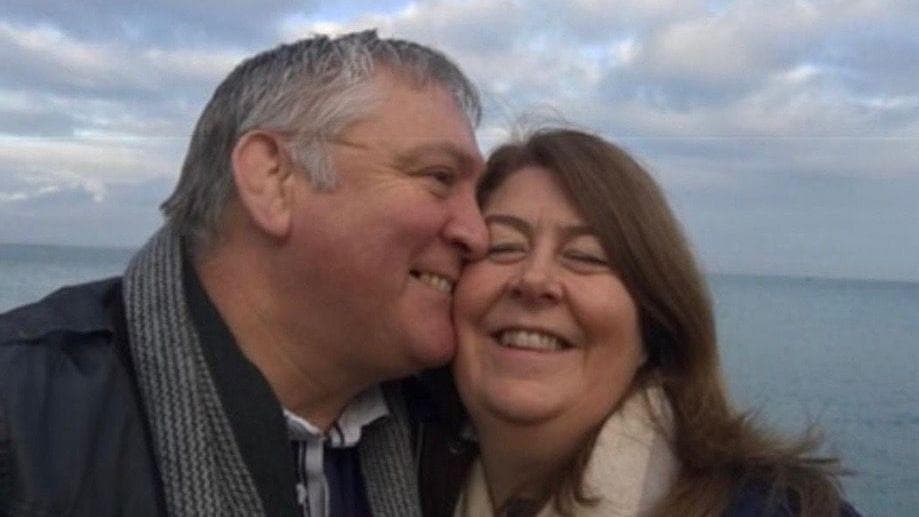
Louisa Nicoll learned of her husband's terminal diagnosis about a year before his death. John, who worked as an instructor for a police special unit, fell ill with cancer at 50, underwent nine major operations and four courses of chemotherapy, while continuing to work full time. When surgery became impossible, he declined palliative chemotherapy in favour of time with his family: a speech at their daughter Amy's 18th birthday, a trip to relatives in Scotland, a 'Greek night' at home instead of the holiday cancelled by the pandemic, and the celebration of their 25th wedding anniversary. He died at home in August 2020, a day after their 26th wedding anniversary. She told the story in an interview with BBC News and on the programme Morning Live.
What went wrong despite all the preparations
John compiled an 18-page document for his wife titled 'things that will make you smile' and a plan of 'everything you need to know' with all the household bills, insurance renewals and MOT dates. He wrote to the electricity supplier in advance asking to transfer the account into his wife's name because of his terminal diagnosis — but the company merely added her as an additional name, and the account had to be closed and opened anew. After his death, Louisa kept receiving letters addressed to her husband: one of them, from the energy company, read: 'Sorry to see you leave us. Is there anything we can do to make you stay?' The contracts of their children, James and Amy, were in John's name; despite presenting the death certificate at the shop, they kept receiving texts saying 'Hi, John'. 'I was utterly exhausted, crushed, frustrated and angry because of this experience,' the BBC quotes Louisa as saying.
What the widow is calling for and what experts say
Louisa now speaks at events, urging people regardless of age to discuss the end of life in advance: 'We plan every major event — a wedding, a pregnancy, a career change, retirement, even our daily meals — but most people leave the end of life to chance,' she says, noting that families 'find themselves in crisis, guessing at our wishes in an ambulance or a chaotic emergency department'. Sarah Middlemiss, policy campaigns manager at the palliative care charity Marie Curie, shares her view: according to her, every company requires something slightly different, which makes the bureaucracy during grief 'truly overwhelming', and 'properly training staff to work with grieving and terminally ill people, sensitively and in a timely manner' would change a great deal. Louisa herself puts her demand simply: 'There should be a standardised practice' — companies can bring their support services for the bereaved up to a level that does not cause unnecessary suffering.
 Image source, Louisa Nicoll
John meticulously planned the handover of household admin before his death
 Image source, Louisa Nicoll
After their father's death, James and Amy still received texts from their mobile phone provider that read 'Hi, John'
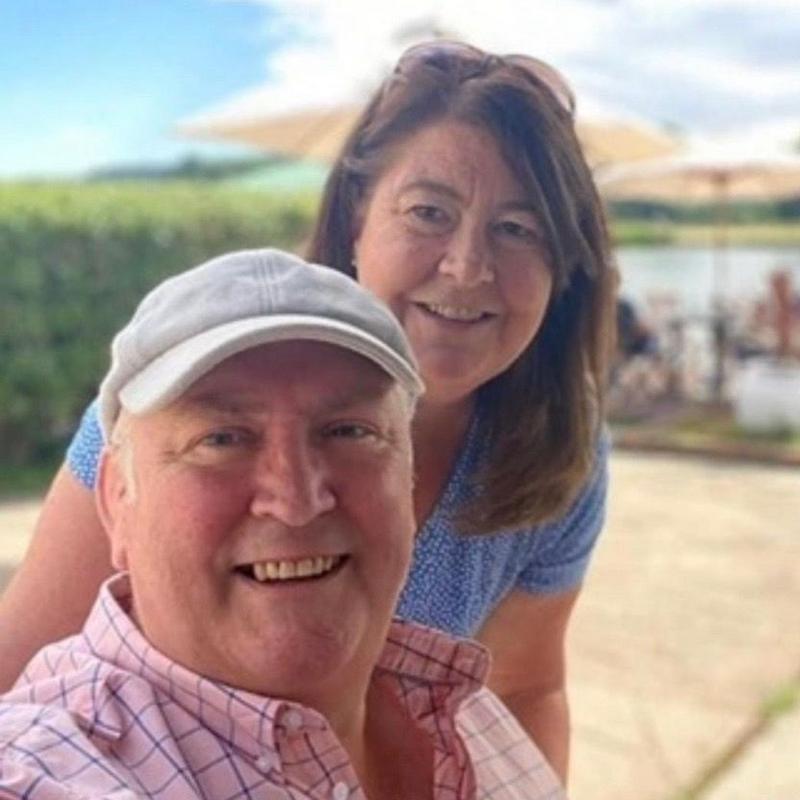 Image source, Louisa Nicoll
John wrote Louisa an 18-page document called 'things to make you smile'
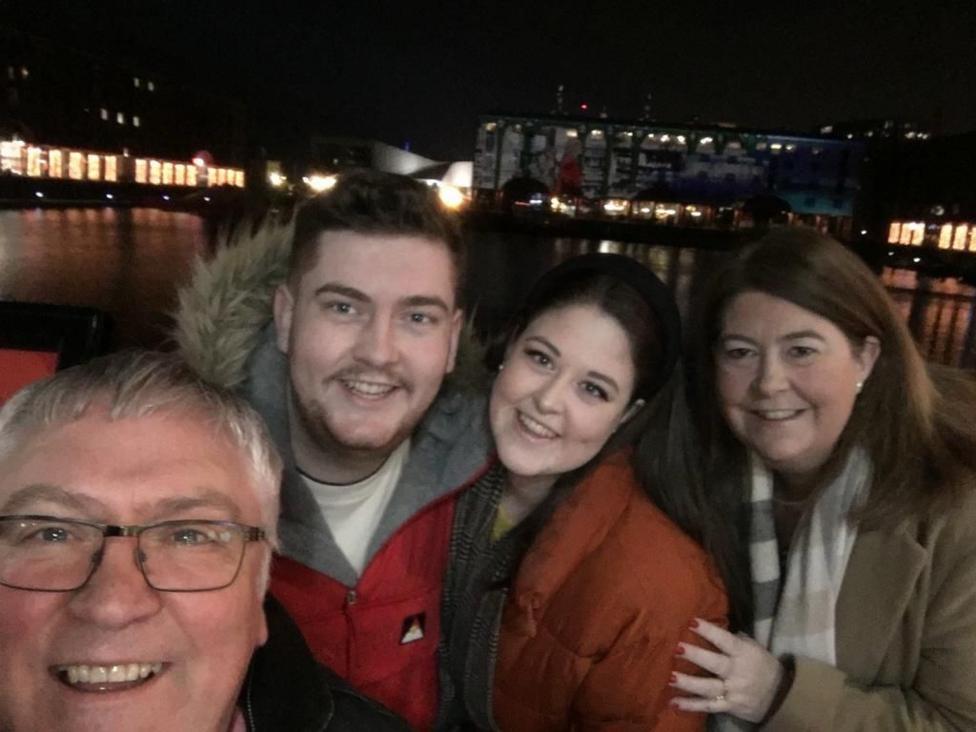 Image source, Louisa Nicoll
Louisa urges families regardless of age to have conversations and make end-of-life plans
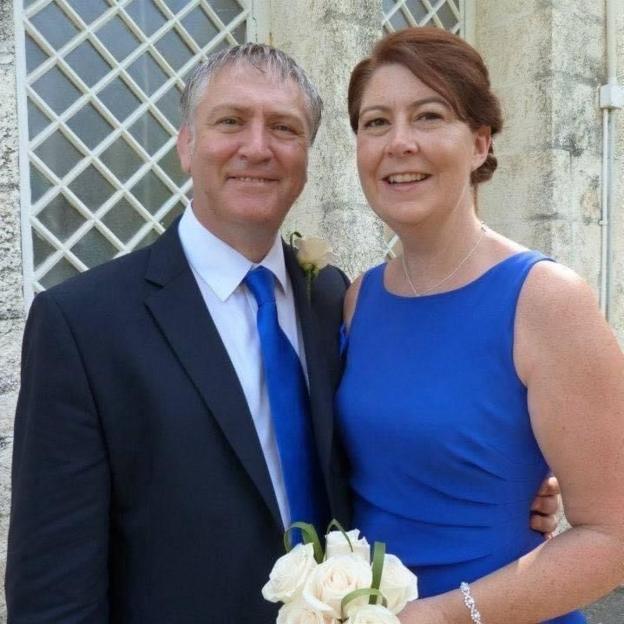 Image source, Louisa Nicoll
John and Louisa at a family wedding before his diagnosis
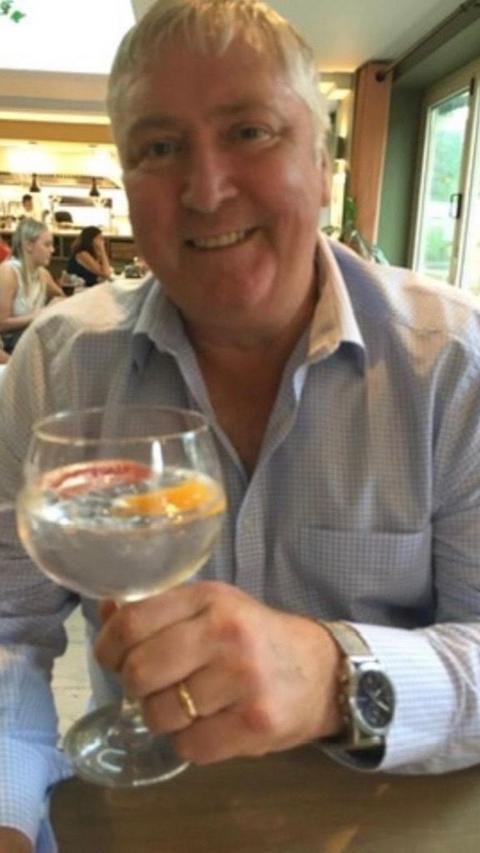 Image source, Louisa Nicoll
Louisa says John kept his sense of humour and personality throughout his treatment