The key facts
- The Housing Ombudsman upheld 609 complaints about social landlords in 2025–26, up from 159 in 2021–22
- The Housing Ombudsman upheld 609 complaints against social landlords in 2025–26, up from 159 in 2021–22
- Devon and Cornwall are increasing the number of closure orders for problem flats; the government is discussing extending their duration to 12 months
- The average wait for eviction through the courts is about six months, according to the enforcement officers association
- The average wait for eviction through the courts is about six months, according to the bailiffs' association
Seven years living next to 'nightmare neighbours'
A resident of North Devon James Daniel told BBC South West Investigationsthat he has spent seven years living next to 'nightmare neighbours' and, despite numerous complaints to the police and the housing association North Devon Homes, the situation has not improved. He passed the newsroom footage from CCTV and his phone: it shows kitchen knives being thrown from a window, a scuffle outside the house, and a neighbour allegedly making gun gestures at the camera. 'Living next to anti-social behaviour is hell, honestly, absolute hell,' Daniel said. He was previously offered alternative housing but refused to move: 'I don't believe anyone should have to leave their home because of someone else.' In April his neighbour was convicted of assaulting another resident, and a month later was charged with harassing Daniel himself.
Complaints against landlords have grown almost fourfold
Daniel's story coincides with a rise in statistics: according to the Housing Ombudsman, the number of upheld complaints about how social landlords handle anti-social behaviour rose from 159 in the 2021–22 financial year to 609 in 2025–26 — almost a fourfold increase. Former ombudsman Richard Blakeway cited typical reasons for findings of maladministration: poor communication, poor record-keeping and failure to use tools such as risk assessments and action plans. He also noted that the service's accessibility and awareness of housing rights had increased the flow of cases, and that there were instances where residents effectively made themselves homeless, sleeping in their cars to avoid neighbours. When maladministration is found, the ombudsman can order the association or council to take action, issue an apology or pay compensation. Daniel has referred his case to the ombudsman and is awaiting a decision; North Devon Homes said it had cooperated fully with the investigation.
Police close flats, government wants to extend the period
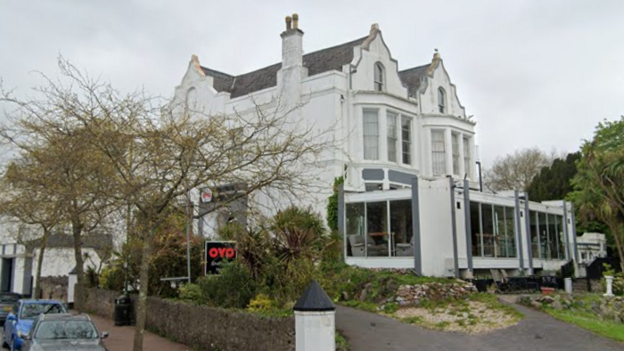
One of the tools of Devon and Cornwall Police is closure orders: under a 'full closure' the court allows a resident to be evicted for at least three months, while under a 'partial closure' the resident stays but visitors cannot be admitted. Police solicitor Machaela O'Brien called such orders a 'draconian measure' and a 'last resort', but a good temporary solution for problem properties; those evicted, she said, are referred to councils and social services. The government is currently consulting on extending the duration of the orders to 12 months. The alternative — eviction through the courts — is long and expensive: the High Court Enforcement Officers Association, citing its own research, reports an average national wait of six months in the county court bailiff system after a possession order is issued. On one street in West Cornwall police secured orders for two addresses at once; local resident Melanie said that before the eviction of a neighbour accused of brandishing a sword, people 'lived in fear'.
'The system is broken'
Daniel believes that victims, especially in social housing, need a more coordinated approach from agencies: 'All the agencies are involved, but it seems nobody talks to anyone, and nobody knows what is happening.' He says he no longer feels safe in his home and that the home he once loved has become unlovable. The National Housing Federation responded that such cases can be 'serious and complex' and that associations treat them very seriously; North Devon Homes added that cases involving people with severe and complex vulnerabilities require work within the legal framework while balancing the interests of all parties. Blakeway emphasised that 'it is very important to see improvement in how different bodies work together.' The BBC report adds to the outlet's series of publications on anti-social behaviour in the region, including stories about a seaside hotel closed for three months and a couple who lived with noisy neighbours for a decade.
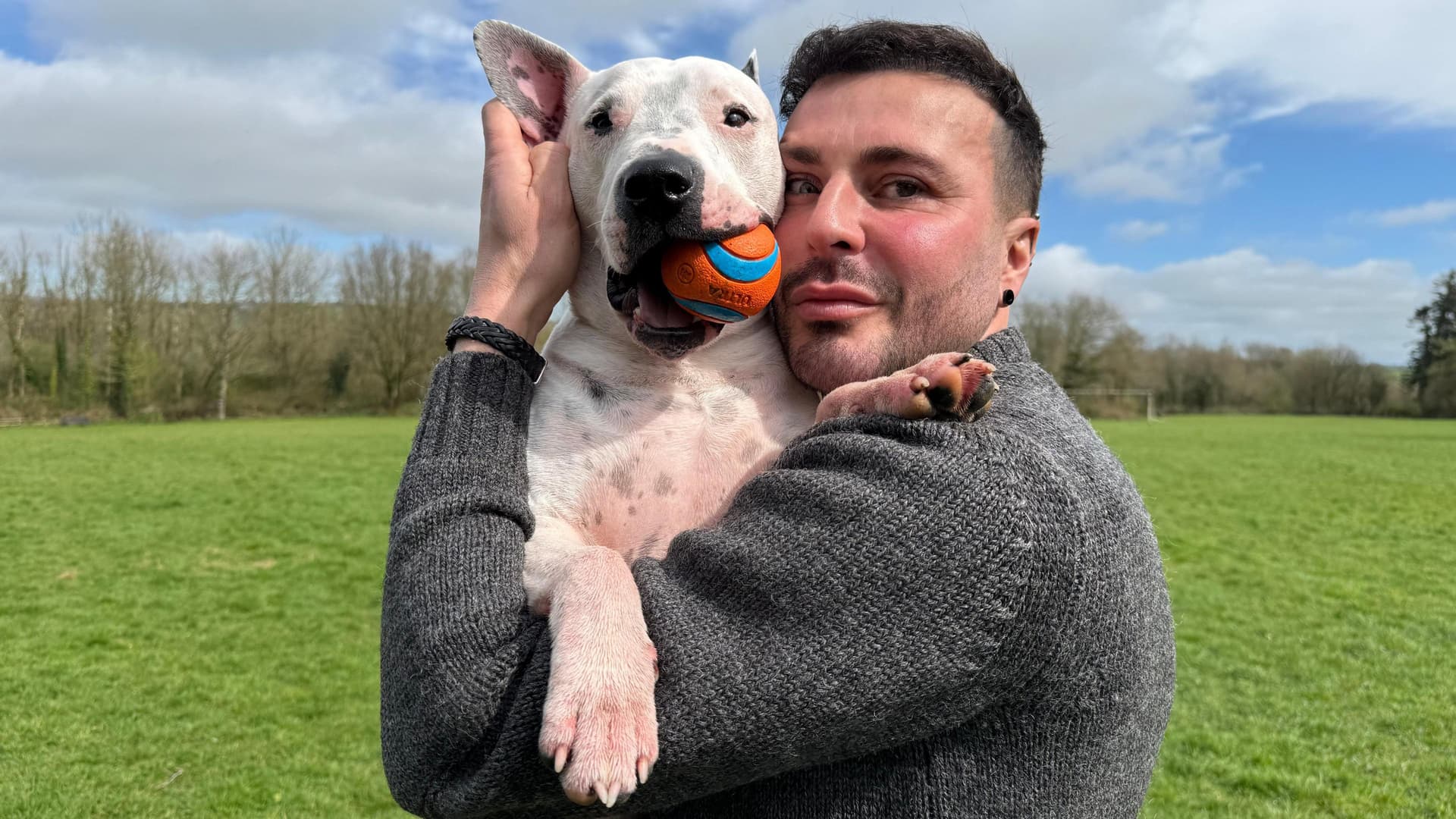
Daniel said anti-social behaviour had made his life 'hell' and he is calling for more support
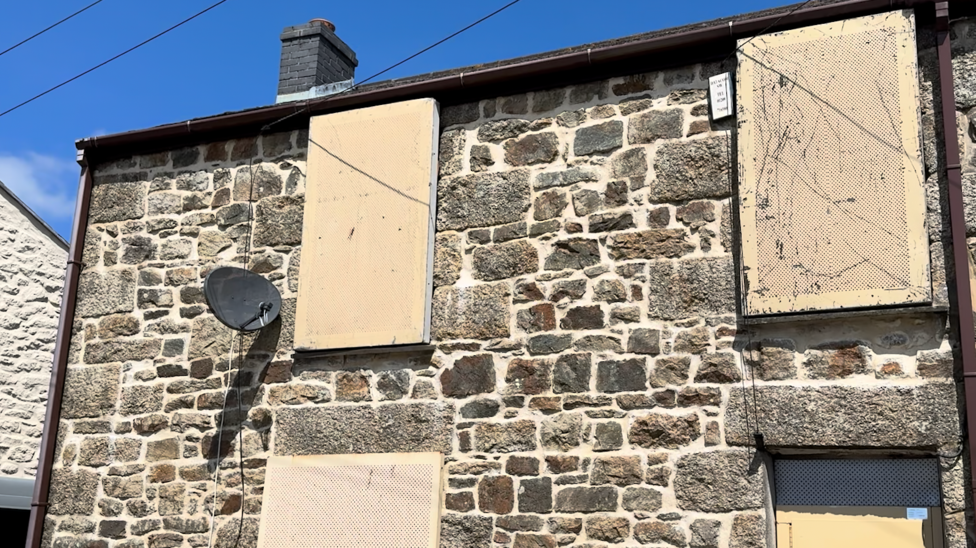
Properties that are the subject of a closure order cannot be accessed by anyone, including landlords, during the length of the closure
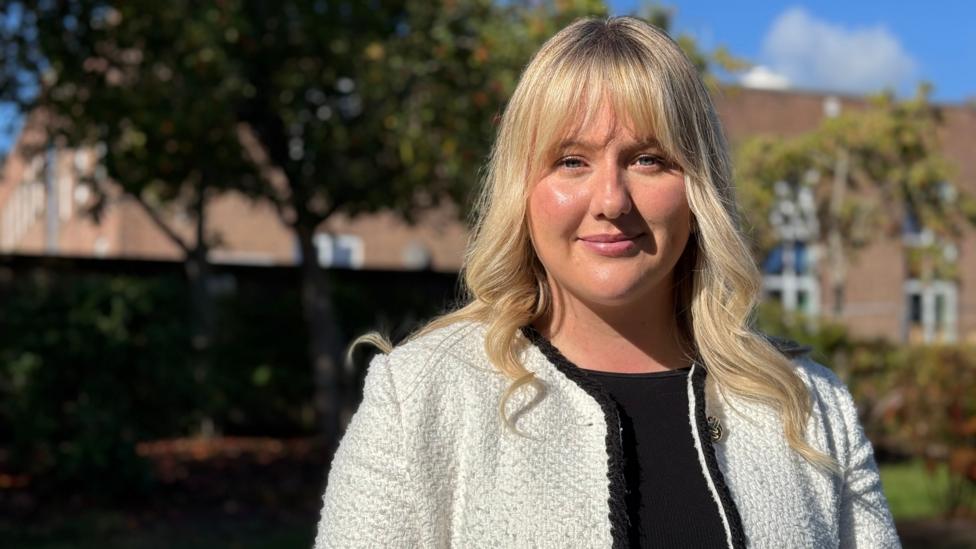
Legal advisor for Devon and Cornwall Police Machaela O'Brien said closure orders were a 'last resort' in dealing with anti-social behaviour
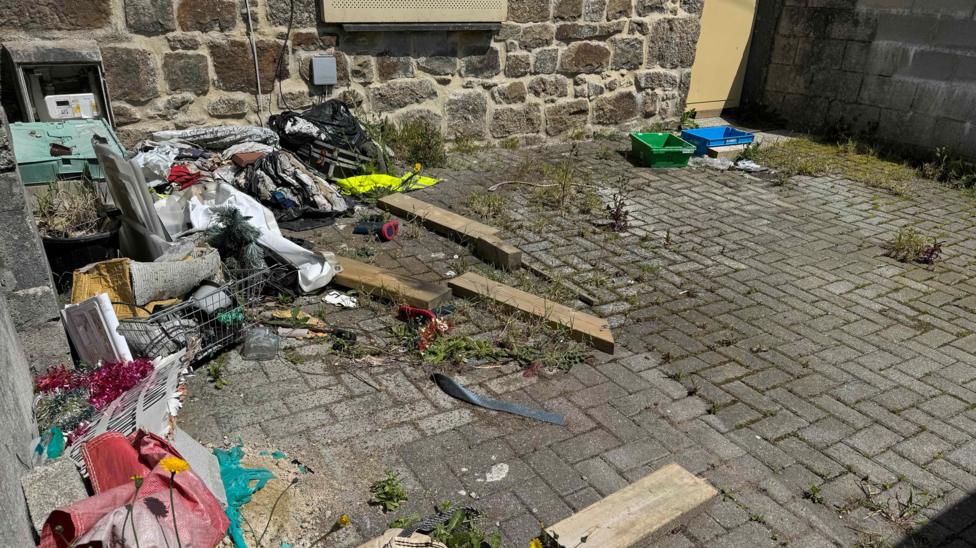
On one street in Cornwall police have secured closure orders on two separate addresses