The key facts
- The WhatsApp channel 'Lula's Army', led by congressman Andre Janones, grew to 10.8 million subscribers and, according to Lula's allies, helped turn the campaign around
- The 'Lula's Army' WhatsApp channel, run by congressman André Janones, grew to 10.8 million subscribers and, according to Lula's allies, helped turn the campaign around
- Political scientists stress that the electoral effect of online mobilisation cannot be measured and point to the role of street mobilisation
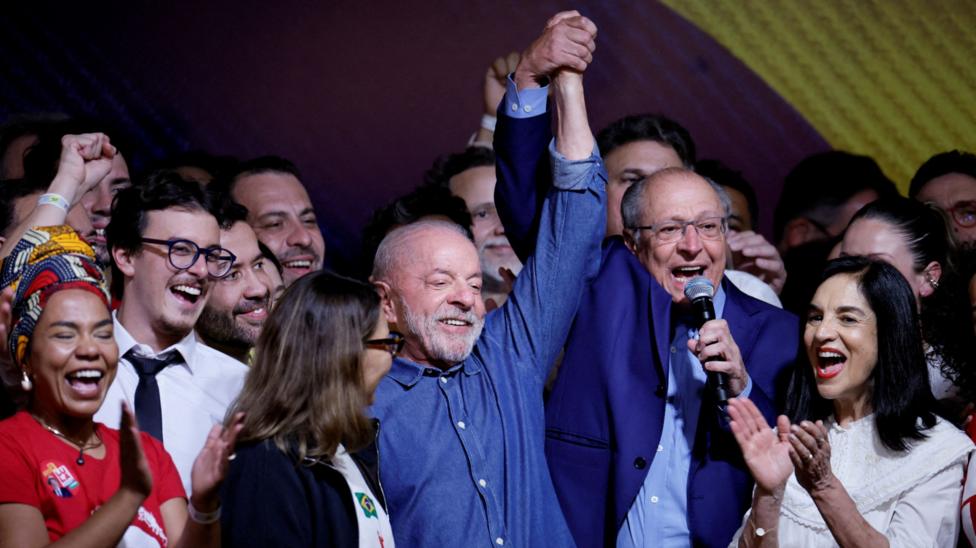
- In his victory speech Lula called Janones 'our general' and promised to expand citizen participation in decision-making
- In his victory speech, Lula called Janones 'our general' and promised to expand citizens' participation in decision-making
A comeback in three weeks
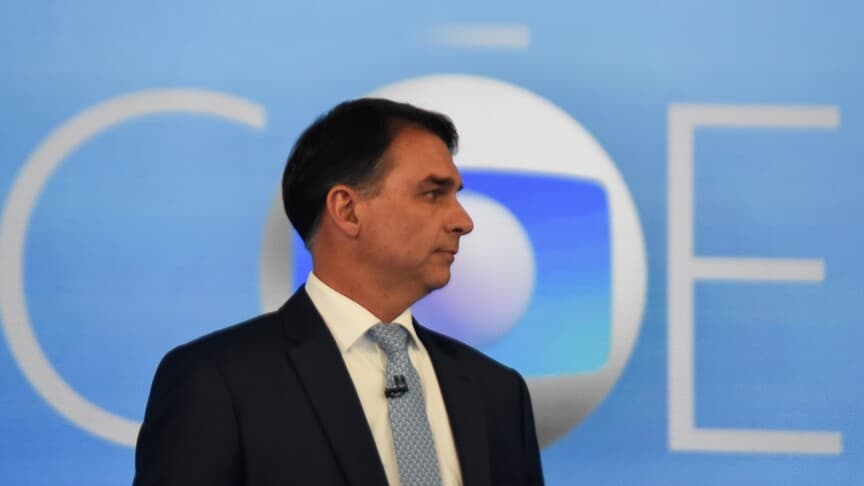
Brazilian President Luiz Inacio Lula da Silva, who was trailing his far-right rival Flavio Bolsonaro, managed to turn the election race around in just three weeks and, according to BBC News, won a victory many considered unlikely. The president's allies link this result to the WhatsApp channel 'Lula's Army', which rapidly grew to 10.8 million subscribers. The operation was led by congressman Andre Janones, who urged supporters to share videos, push hashtags and recruit new voters.
How 'Lula's Army' worked
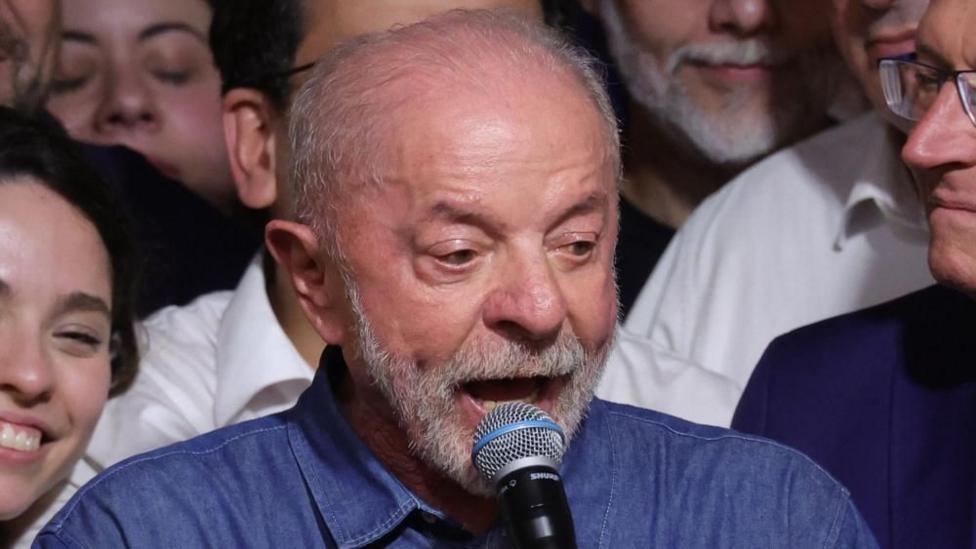
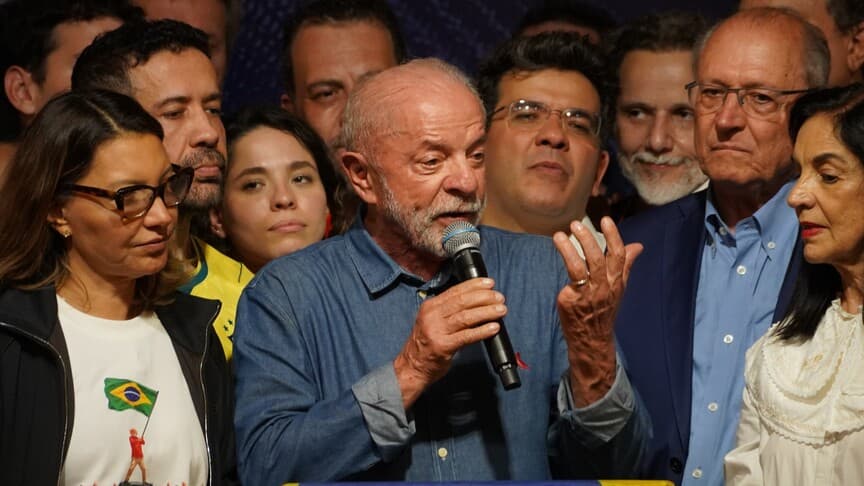
The channel's growth between the two rounds of voting was especially striking against the backdrop of the long-standing advantage of the right, tied to former president Jair Bolsonaro, in online mobilisation on platforms such as WhatsApp and Telegram. Participants were sent ready-made message templates with specific tasks: Janones ordered his 'troops' to 'blow up' the next campaign video or 'boost' a hashtag, using phrases like 'Guys, urgent!', 'Still awake?' and 'One more task before you sign off!'. On the eve of the vote, the congressman held a 24-hour livestream dubbed 'the turning-point broadcast' — even though polls continued to predict a Bolsonaro victory. In his victory speech Lula called Janones 'our general' and thanked him for 'lifting the morale of our troops every day'. Some members of the Workers' Party, however, feared that Janones' confrontational style on social media could undermine Lula's more moderate image.
The role of social media: cautious assessments
Political scientists warn against attributing the comeback solely to online mobilisation: it is impossible to measure how many votes, if any, the WhatsApp project directly delivered. Political scientist Denilde Holzhacker considers the change in campaign strategy key — combining digital promotion with 'on the ground' work, including strengthening local efforts and linking a possible Bolsonaro victory to risks for social programmes and rights. According to her, Lula 'acknowledged his own weakness and completely changed his style', while Janones did 'what seemed unthinkable for the Brazilian left — dominate social media'. Sociologist Mayra Goulart of the Federal University of Rio de Janeiro describes the result as 'a combination of social media and street mobilisation', which, in her view, reduced absenteeism and persuaded undecided voters. She also notes that Bolsonaro entered the second round overly confident of victory and conveyed his message to supporters less effectively.
What comes next
Lula himself has signalled that the mobilisation may influence the style of his future governance: in his victory speech he said the elections had taught him a great deal and promised to change the way the country is governed. 'We will give people more opportunities to take part in decision-making, and digital communication will play a far bigger role in my government,' he said. According to BBC News, after his victory Lula will have to work with a hostile congress and a divided country. The editor notes: the event matters because it shows a redistribution of influence in Brazil's digital political struggle, where right-wing networks had dominated for years; the practical consequence for voters and the government will be the announced expansion of digital channels for citizen participation in decision-making, although the real extent of the WhatsApp campaign's influence on the election outcome remains unmeasurable.
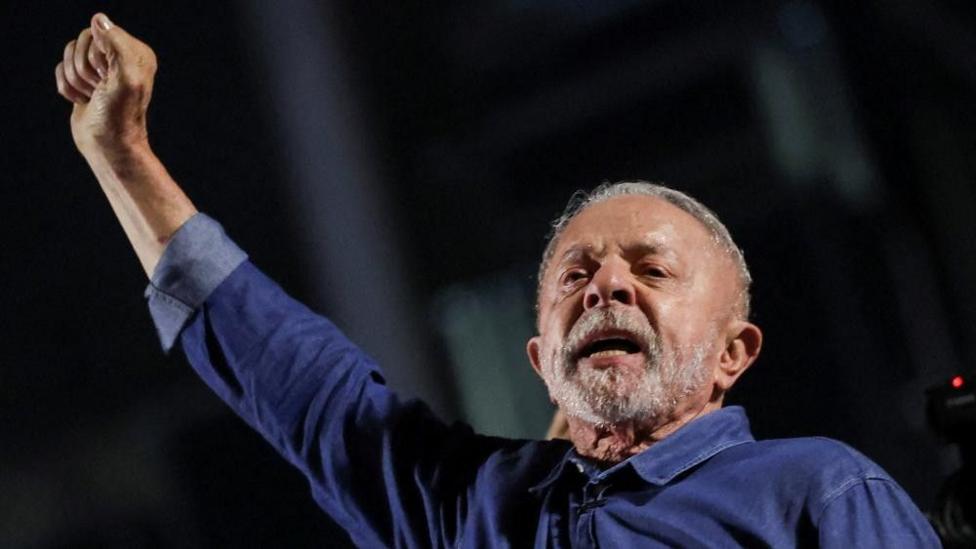
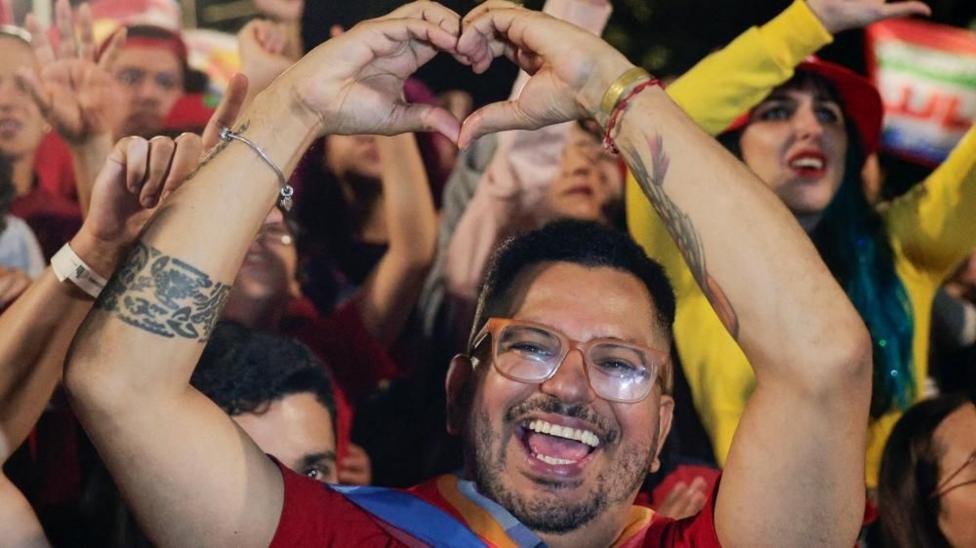 Image source, Reuters
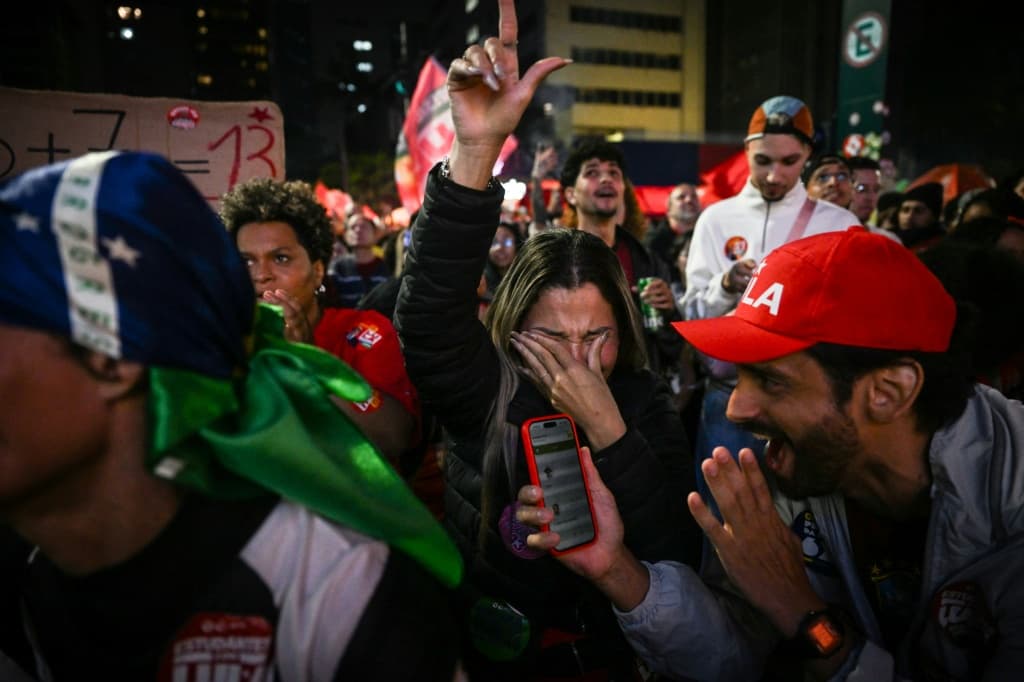
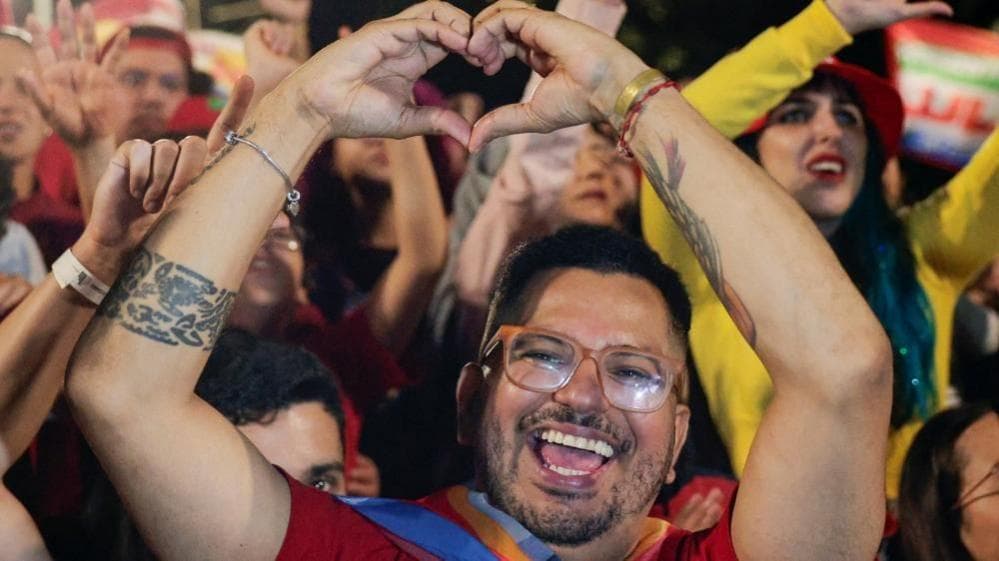
Lula's supporters mobilised en masse despite polls pointing to a defeat for the incumbent
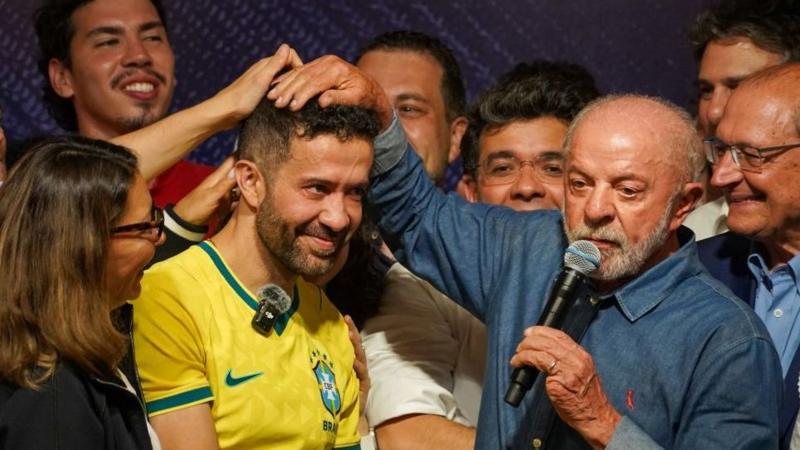 Image source, Anadolu via Getty Images
Lula called André Janones 'our General' after his major contribution paid off