The key facts
- Talks between Galp and Moeve on a refining and distribution merger ended without an agreement
- ECO, citing sources, links the breakdown to Paula Amorim's refusal to accept the Spanish company's demands
- Galp's net profit in the third quarter rose 68% to €682 million on the back of record production in Brazil
Talks ended without a deal
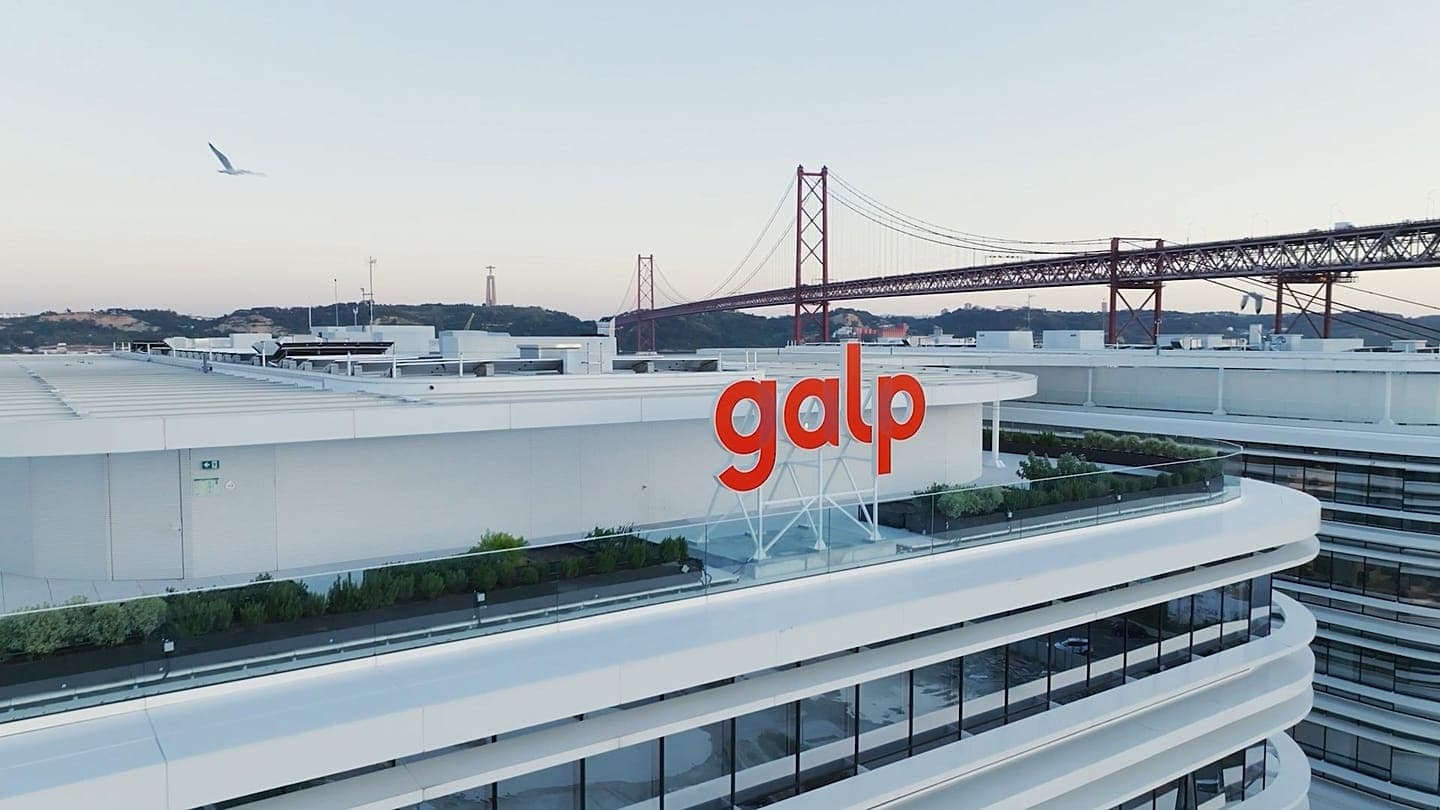
The Portuguese oil and gas company Galp on Monday, October 26, officially confirmed that after months of negotiations the parties 'failed to reach an agreement' on combining its downstream operations — refining and distribution — with the business of Spain's Moeve, whose shareholders are Mubadala Investment Company (Abu Dhabi) and the American group Carlyle. This was reported by Euronews.
Both sides stress independence from the deal
Galp stated that the collapse of the talks does not affect its operations and does not undermine confidence in the company. Chairwoman of the board Paula Amorim wrote that Galp has 'an exceptionally resilient position': one of the most attractive growth profiles in the industry in upstream, solid industrial and commercial operations, and a diversified portfolio including renewable energy and trading operations. Moeve CEO Maarten Wetselaar called a possible combination 'an opportunity to accelerate value creation,' but stressed that the company's strategy 'was never dependent on it,' and pledged to continue the transformation 'while maintaining financial discipline.'
What is known about the reasons for the breakdown
The Portuguese digital outlet ECO reported as early as Sunday evening that the deal had fallen through because Paula Amorim disagreed with the Spanish company's demands — a version the outlet cites based on sources familiar with the negotiations. The companies themselves did not disclose the reason for the disagreement in their official statements, so the motives behind the refusal remain unconfirmed at the companies' level.
What Galp retains and the financial backdrop
The press release notes that Galp's downstream business rests on a 'leading retail network' in Portugal and 'a significant portfolio of energy transition projects in Sines,' including one of Europe's largest green hydrogen production projects using electrolysis and a biofuel plant. The same day, the company presented its quarterly results: net profit in the third quarter rose 68% year on year to €682 million. The main drivers cited were growth in oil and gas production in Brazil to a new record, strong export performance, and oil and gas trading operations in international markets. Thus, Galp announced the collapse of the deal against the backdrop of record quarterly results, not weak performance.