The key facts
- The European Commission will present a new supply diversification instrument in early December, a week before the EU leaders' summit
- The measure is aimed at Beijing after it blocked exports of rare earth metals and chips in 2025
- Companies fear rising costs; 'minimalist' and 'maximalist' coverage scenarios are being discussed
A new instrument against dependence on a single supplier
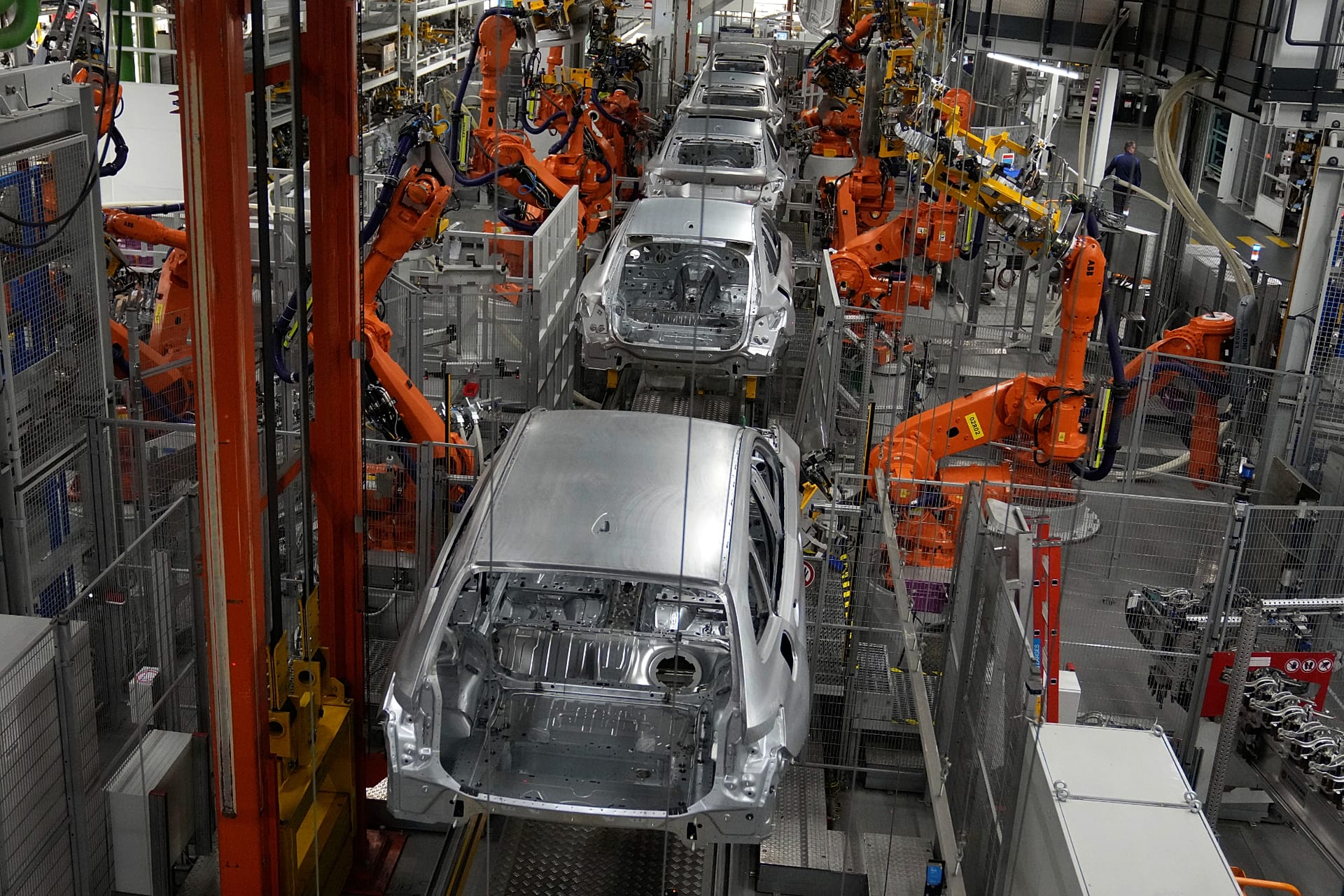
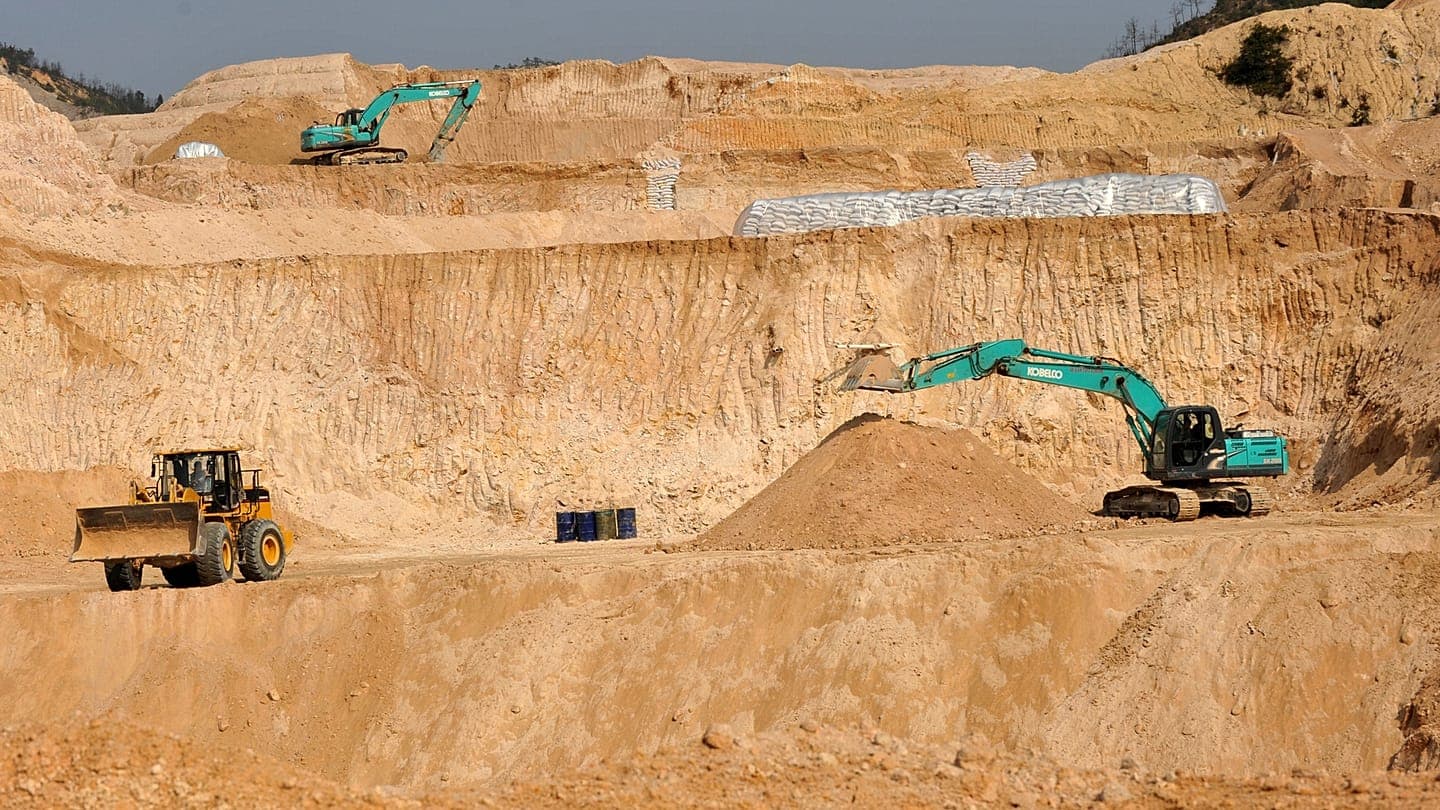
The European Commission will present a new instrument in early December, a week before the EU leaders' meeting, designed to encourage companies to diversify suppliers and reduce strategic dependence on a single country. This is reported by Euronews. China is not explicitly named in the document, but according to the outlet, the proposal is aimed specifically at Beijing: in 2025, amid the trade war with the US, China blocked exports of rare earth metals needed for green technologies, the digital industry and defence. The European car industry was also hit at the time — Beijing cut off access to strategic chips in a dispute with the Dutch government over the manufacturer Nexperia.
What is known about the content of the proposal
Few details are available so far. In the consultation with European business, which ended on Tuesday, the Commission formulated the goal as follows: the instrument should 'address cases where a high level of strategic dependence on a single supplier country creates a risk to the EU's security of supply and, consequently, its economic security'. Which sectors will fall under the mechanism and according to what criteria remains unclear. Trade Commissioner Maros Sefcovic already stated in a speech on 5 June 2026 that industry would be 'at the forefront' of diversification and should build the 'price of resilience' into its business models, treating geopolitical risks as 'core business risks'.
Business objections
Some companies warned in their responses to the consultation that finding alternative suppliers would raise costs. Luisa Santos, deputy director general of BusinessEurope, noted that companies are 'already doing the maximum' for a cost-efficient structure and work with the suppliers that offer the best combination of price and quality. She stressed that diversification is needed where there is a risk of dependency becoming entrenched, but not all dependencies are problematic: 'I don't think our dependence on Chinese consumer electronics, for example, should fall within scope.' Moreover, for some critical raw materials, including rare earth metals, where China dominates mining and processing, there are simply no alternative suppliers — 'diversification is not an option in this case' unless new sources emerge.
Two scenarios and the Energy Union experience
In June, Sefcovic suggested drawing on the experience of the Energy Union, which pushed companies away from Russian energy carriers after the start of the war in Ukraine: the REPowerEU plan, launched in May 2022, bans imports of Russian oil and provides for the termination of short- and long-term contracts for Russian gas and LNG in 2026–2027; investments in renewable energy and joint procurement were accompanied by rising prices for consumers. Tobias Gehrke, senior policy fellow at the European Council on Foreign Relations, sees the energy approach as the 'minimalist' scenario for the December instrument — mandatory diversification for a few sectors, as for energy companies, possibly including dual-use and infrastructure such as healthcare and power grids. The 'maximalist' option, in his words, would be tariffs for anyone buying more than a certain threshold of a specific product from a single source: this would incentivise purchases from other suppliers, but would cover broad sectors, and higher prices for critical raw materials would hit green technologies, defence and the digital industry all at once. 'Everyone would be covered,' the expert concluded.