The key facts
- In the first round, Flavio Bolsonaro received 47% and Lula 45%; over three weeks of campaigning, the incumbent president, according to polls, has partially caught up with his rival.
- In the first round, Flavio Bolsonaro won 47% and Lula 45%; over three weeks of campaigning, the incumbent president has, according to polls, partially caught up with his rival.
- Jair Bolsonaro has been barred from the election: he is serving a 27-year sentence under house arrest for an attempted coup.
- A victory for Bolsonaro Jr. would add Brazil to the list of Latin American countries with governments friendly to Trump.
Campaign finale on the beaches of Rio
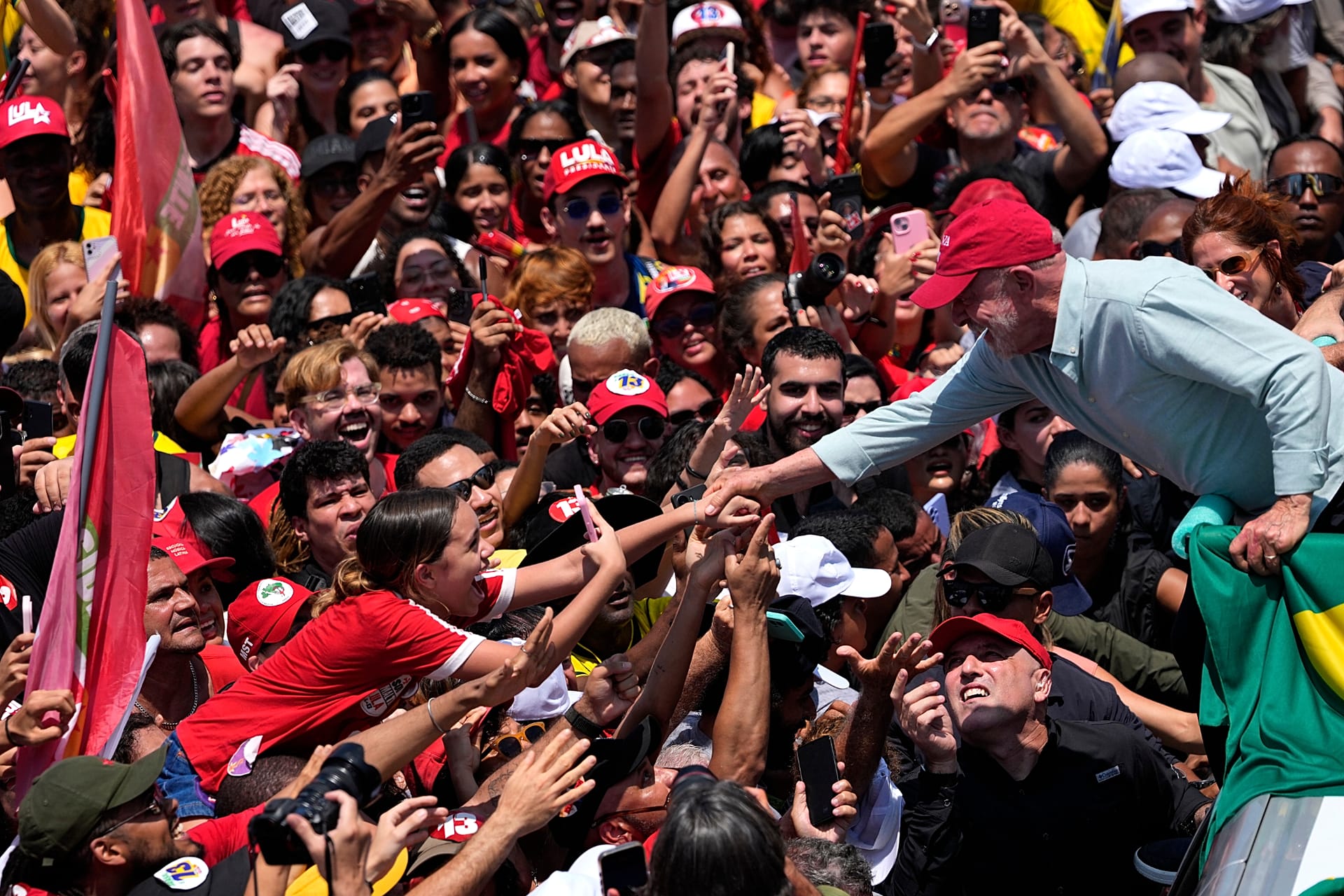
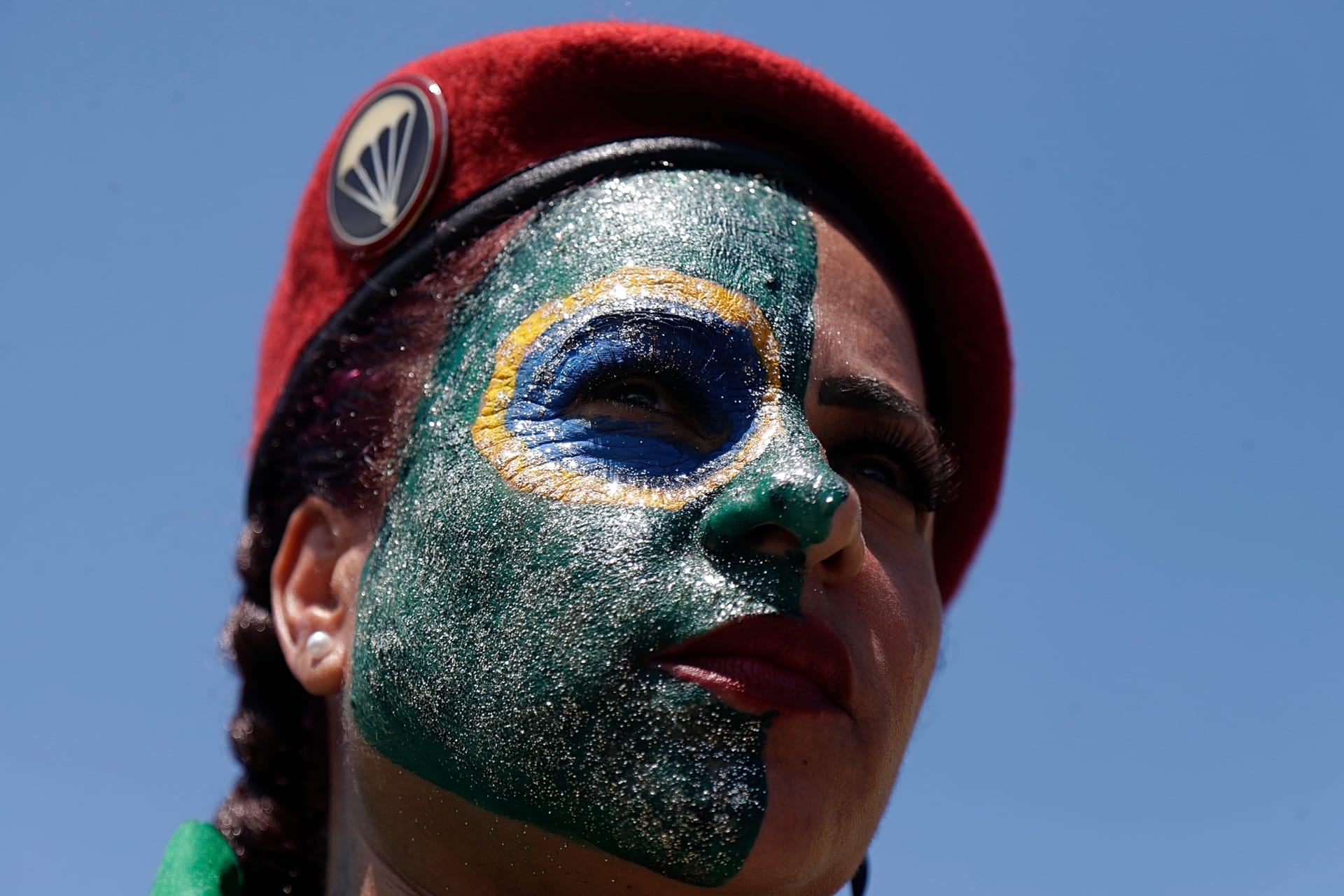
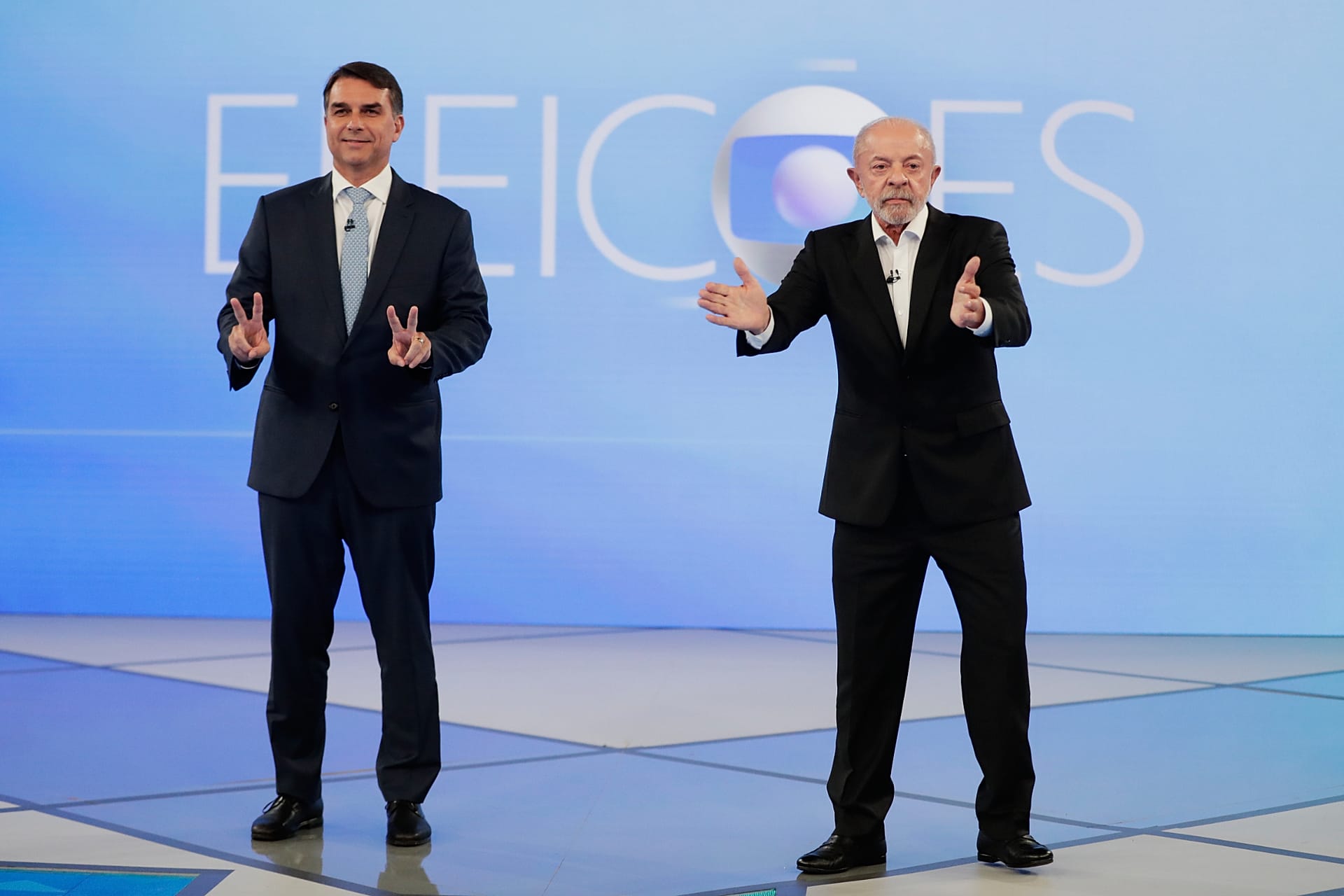
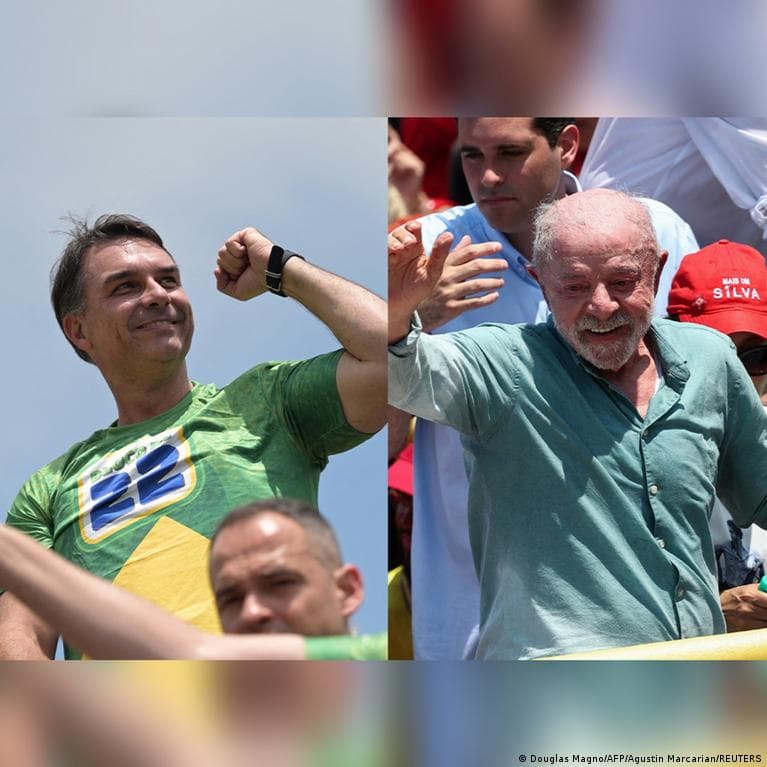
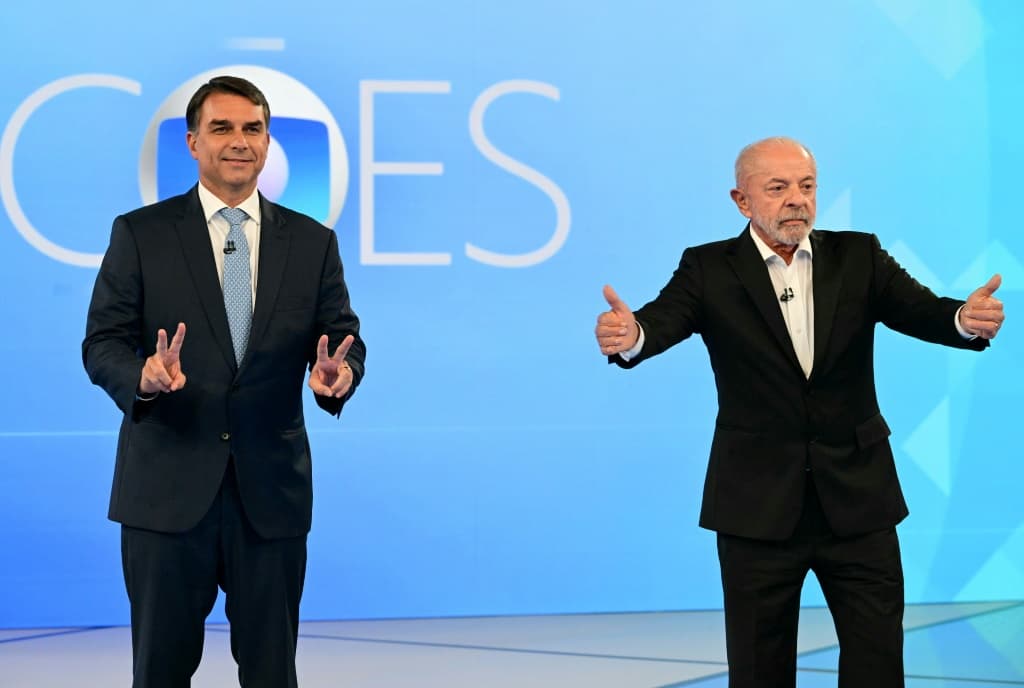
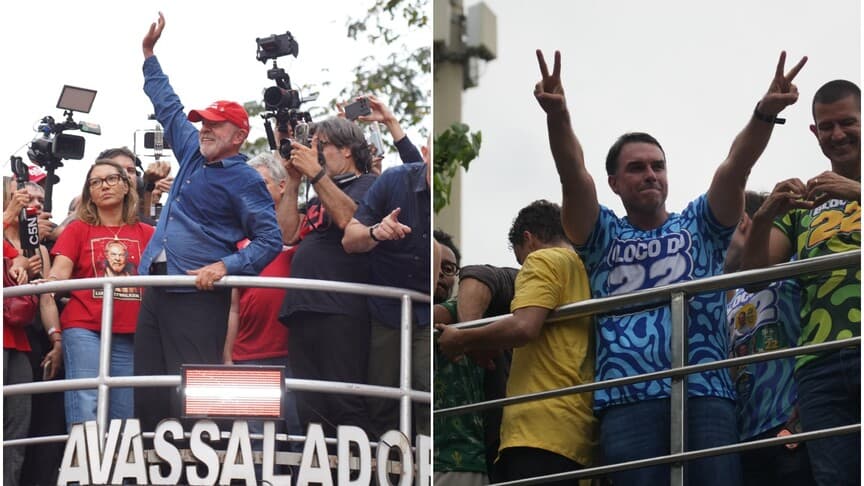
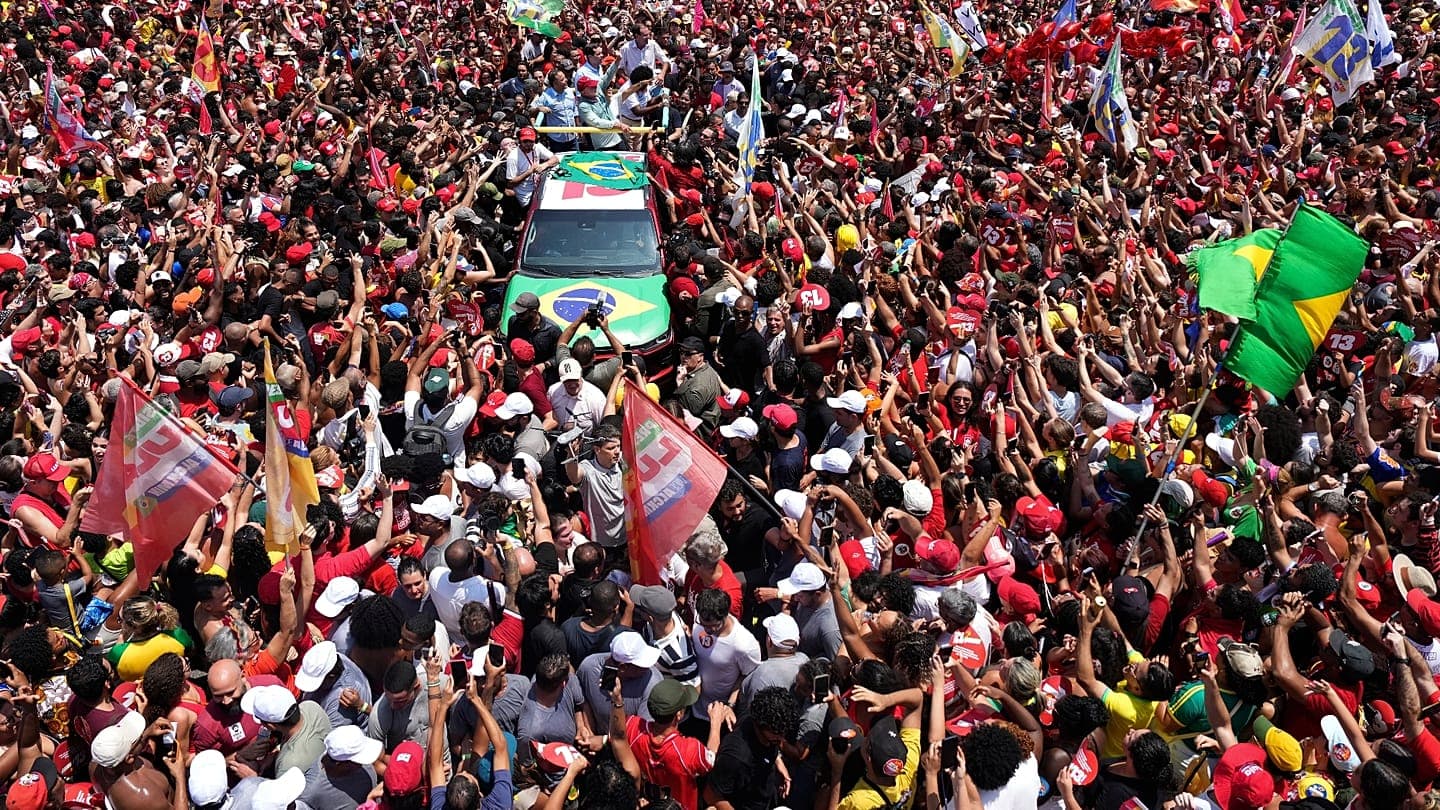
On Saturday, one day before the second round of Brazil's presidential election, incumbent President Luiz Inacio Lula da Silva and Senator Flavio Bolsonaro held their final rallies, gathering supporters on the beaches of Rio de Janeiro. This came a day after the final televised debates held on Friday evening. According to Euronews, citing polls, in the first round Bolsonaro received 47% of the vote against Lula's 45%, but over three weeks of an intense campaign, the left-wing candidate, according to polls, has partially narrowed the gap.
The candidates and their positions
The 80-year-old Lula, who became the country's first working-class president in history, is seeking a historic fourth non-consecutive term. In recent years his approval rating fell as low as 24% due to voters' concerns about crime and the cost of living. Flavio Bolsonaro continues the policy of his father, former president Jair Bolsonaro, who has been barred from running because he is serving a 27-year sentence under house arrest for organizing an attempted coup after his defeat to Lula in 2022. The senator has largely adopted his father's ultraconservative policies but softened his communication style to attract centrist voters; tough security policy is one of the pillars of his campaign, and, according to polls, these proposals are popular.
Debates and scandals
In the final debates on Friday, the rivals behaved more calmly than in their first face-to-face meeting, which descended into insults. Lula criticized the senator's inexperience, while Bolsonaro accused the president of leaving behind a 'broken country.' Lula said of his rival: 'He doesn't know what hunger is,' to which Bolsonaro replied: 'Why is everything so expensive?' The senator promised to solve the crime problem and create 500,000 additional prison places and to cut government spending. A shadow was cast over his campaign by his admission of receiving millions of dollars from the discredited banker Daniel Vorkaru for a film about his father's life; in this case he is under investigation for corruption, money laundering and tax evasion.
The international context
The second round will determine whether Brazil remains one of the region's few left-leaning countries or joins the right-wing governments friendly to Donald Trump. Trump imposed 50% tariffs on Brazilian goods last year, including with reference to the trial of Jair Bolsonaro, and this year announced a new round of tariffs; he also designated Brazil's largest drug cartels as foreign terrorist organizations shortly after receiving Senator Bolsonaro at the White House, which the Lula administration saw as a pretext for interference. Lula has repeatedly warned the United States against interfering in the election. The climate agenda will also be affected by the outcome: under Jair Bolsonaro, deforestation of the Amazon reached record levels, while under Lula's government, which strengthened satellite monitoring, a record low level of new deforestation was recorded; the senator himself denies anthropogenic climate change and has pledged only to stop illegal logging.
Why it matters
The outcome of the vote will affect not only more than 200 million Brazilians but also the global climate agenda, given the country's role in preserving the Amazon, as well as trade relations with the United States, already complicated by tariffs. For voters, the practical significance lies in the candidates' stated courses: Bolsonaro's tough security policy and cuts in government spending versus Lula's defense of sovereignty and stricter control over deforestation. While the final poll results and their margins of error remain the subject of publications rather than official data, the outcome remains uncertain until the votes are counted on Sunday.