The key facts
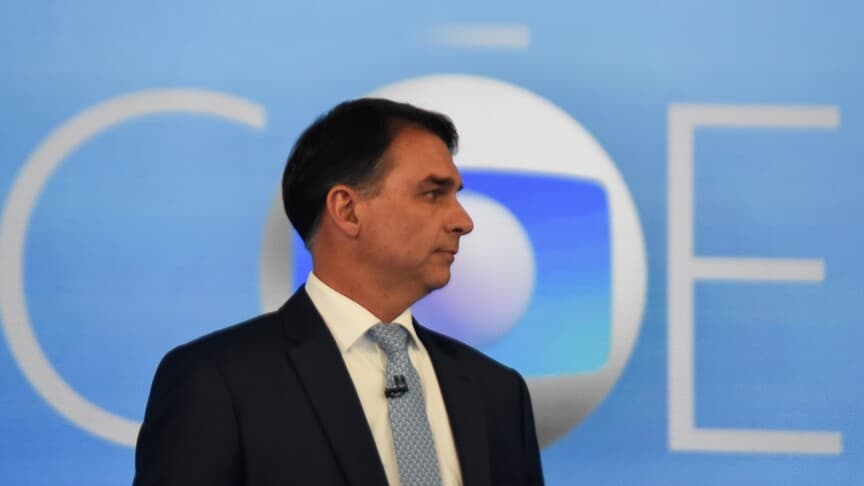
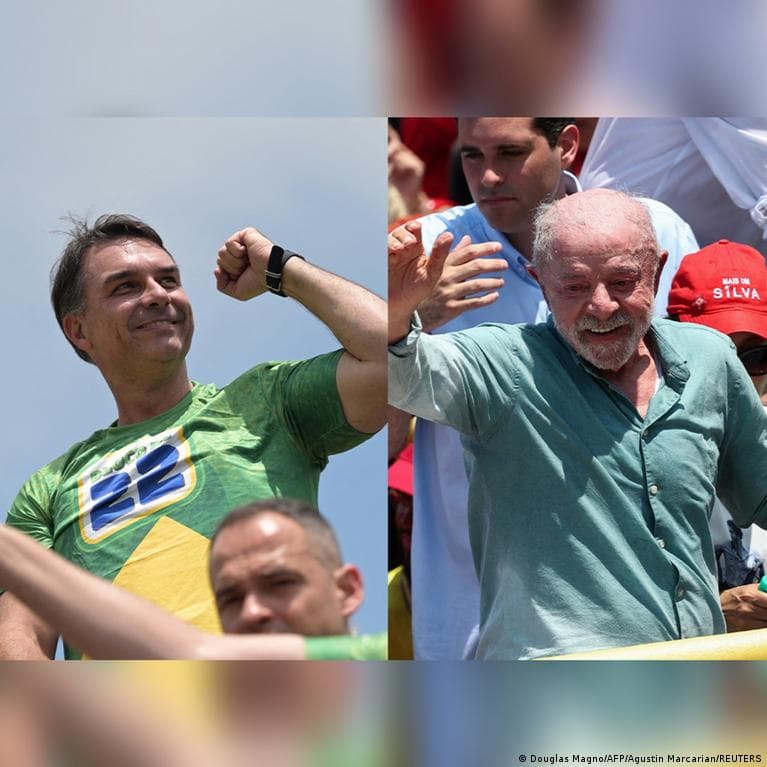
- The second round pits incumbent President Lula (80) against Senator Flavio Bolsonaro (45), the son of the convicted former president
- In the first round, Bolsonaro outran Lula by more than 2.2 million votes; more than 33 million voters abstained
- Preliminary results are expected on Sunday evening
Second round of Brazil's presidential election
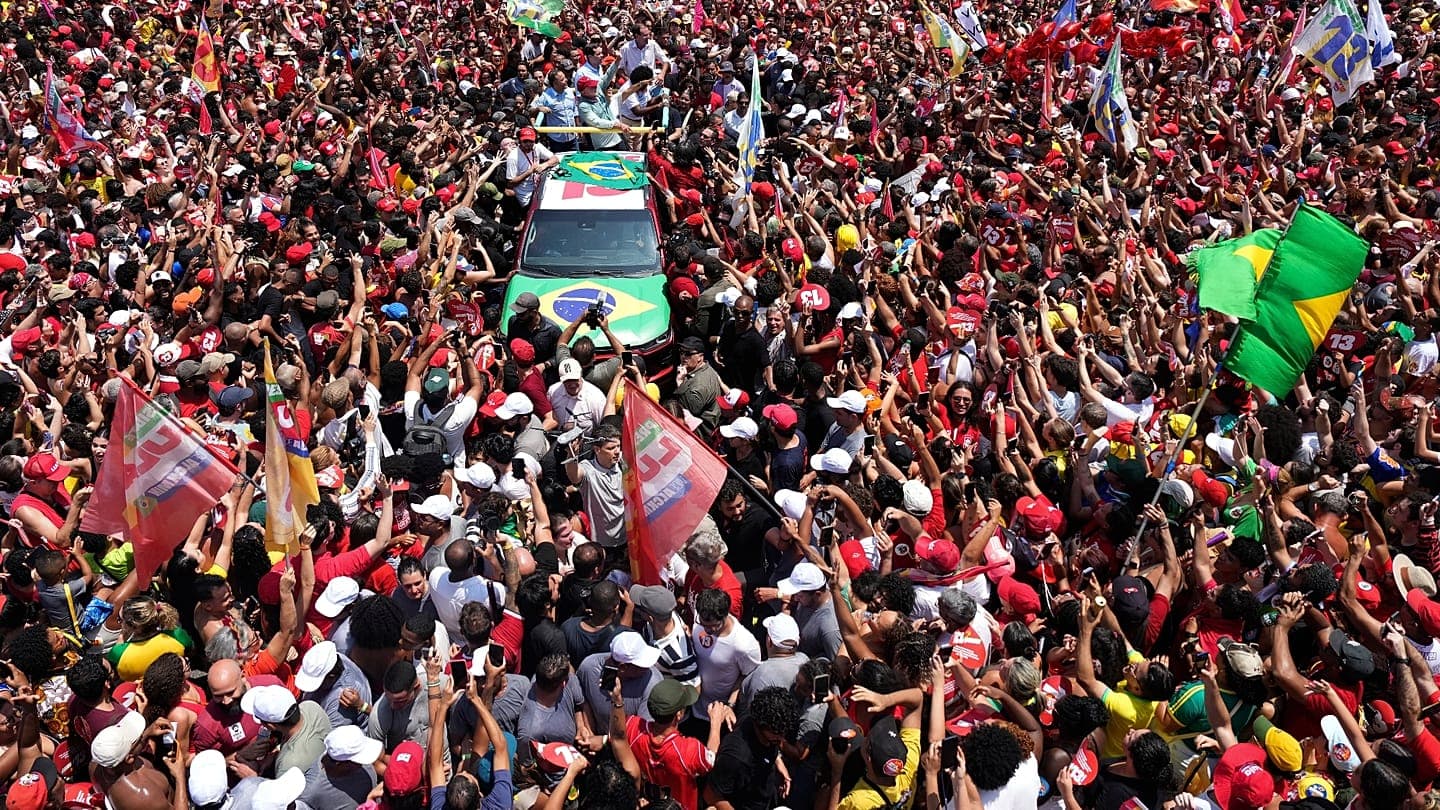
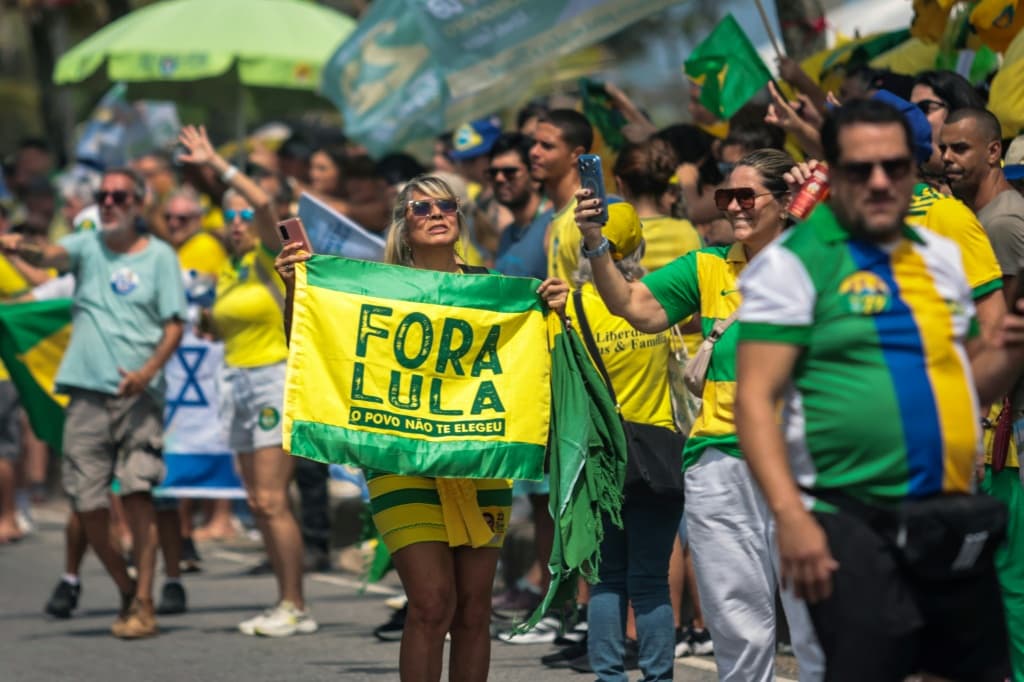
Voters in Brazil on Sunday, October 25, 2026, are voting in the second round of the presidential election. The race for the post is between incumbent President Luiz Inacio Lula da Silva and Flavio Bolsonaro — a senator and the son of convicted former president Jair Bolsonaro, Deutsche Welle reports. To win, a candidate must receive more than 50% of the votes; preliminary results are expected the same evening.
The balance of power after the first round
In the first round, held earlier this month, Bolsonaro outran Lula by more than 2.2 million votes. At the same time, more than 33 million of the nearly 160 million voters abstained from voting. Despite trailing, polls ahead of the second round show that Lula is narrowing the gap, and the outcome is expected to be a 'neck-and-neck' race. According to Deutsche Welle, about 159 million people may take part in the election.
The stakes and the candidates' positions
The vote will determine Brazil's political direction: 80-year-old Lula, who led the country from 2003 to 2010 and returned to power in 2023, stands for continuing social policies aimed at increasing employment and reducing poverty. 45-year-old Bolsonaro, a US ally who has sat in the Senate since 2019 and is running for president for the first time, promises a tougher line against crime and a 'political reboot.' He has also promised to free his father, who is under house arrest for the attempted coup of 2022, if he wins. According to Deutsche Welle, a Bolsonaro victory would mean a shift of Brazil to the right and could determine how much the US is able to expand its influence in Latin America; a victory for Lula, who is at odds with Donald Trump over trade and security issues, on the contrary, would likely create obstacles for Washington.
Campaign context
The renewed Lula–Bolsonaro contest is taking place against the backdrop of corruption scandals, an economic downturn, and accusations of US interference, which Washington denies. Earlier, a few weeks before the election, Flavio Bolsonaro came under investigation in a corruption case, Deutsche Welle notes. The editorial team points out that the high share of abstentions in the first round — more than 33 million people — makes the outcome of the second round especially sensitive to turnout; however, the sources provide no data on turnout forecasts for the second round.