The key facts
- Vucic's ruling force lost the elections after 14 years in power; Vucic conceded defeat
- It is still unclear who will lead Serbia's next government
- Political scientist Bojan Vranich calls the outcome a historic moment but predicts continuity rather than radical change
Defeat of the ruling force after 14 years
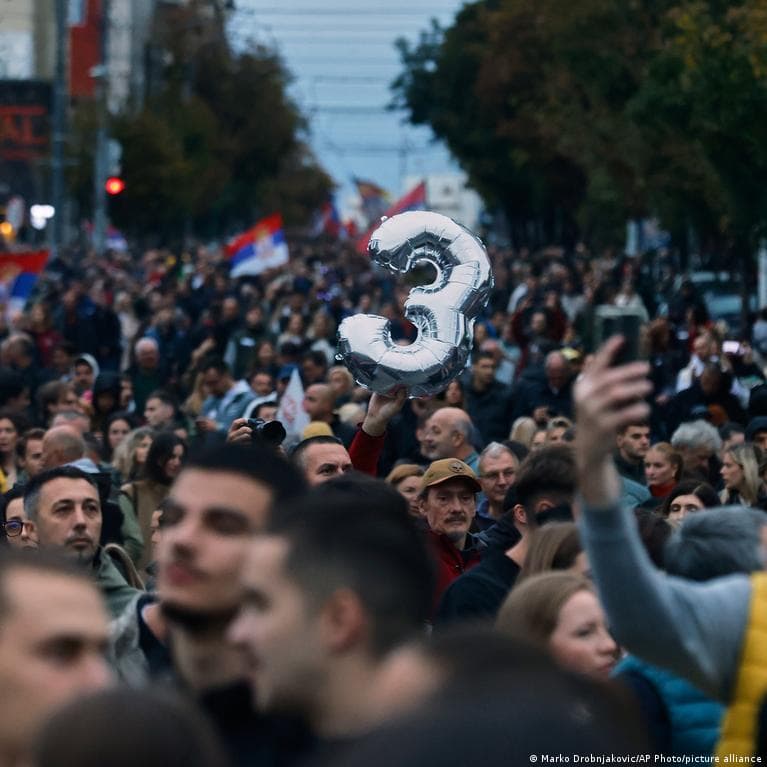
The elections in Serbia held yesterday, October 26, ended the 14-year rule of Aleksandar Vucic's government. As Euronews reports, Vucic conceded defeat, but at the time of publication it remained unclear who would lead the country's next government.
Political scientists' assessment
Bojan Vranich, professor of political science at the University of Belgrade, described the result as an exceptional historical moment for Serbian parliamentary democracy, which, in his words, completely changes the country's political landscape. He saw the election outcome not only as a victory over Vucic's government, but also as a victory over the existing parliamentary opposition, which brought to power a new, fresh political elite. At the same time, Vranich cautions against expecting radical change: in the short term, he predicts continuity with some improvements.
What this means
A change of power after a decade and a half of rule by a single political force is a rare event for Serbia's parliamentary system, and that is precisely why observers call the election outcome a turning point. The immediate practical question is the formation of a new cabinet: since the winner of the government negotiations has not yet been named, political uncertainty in the country will persist until the future prime minister is determined. Editorial note: the only available assessment of the outlook is Vranich's forecast of moderate changes, and it is not corroborated by other sources in this roundup.