The key facts
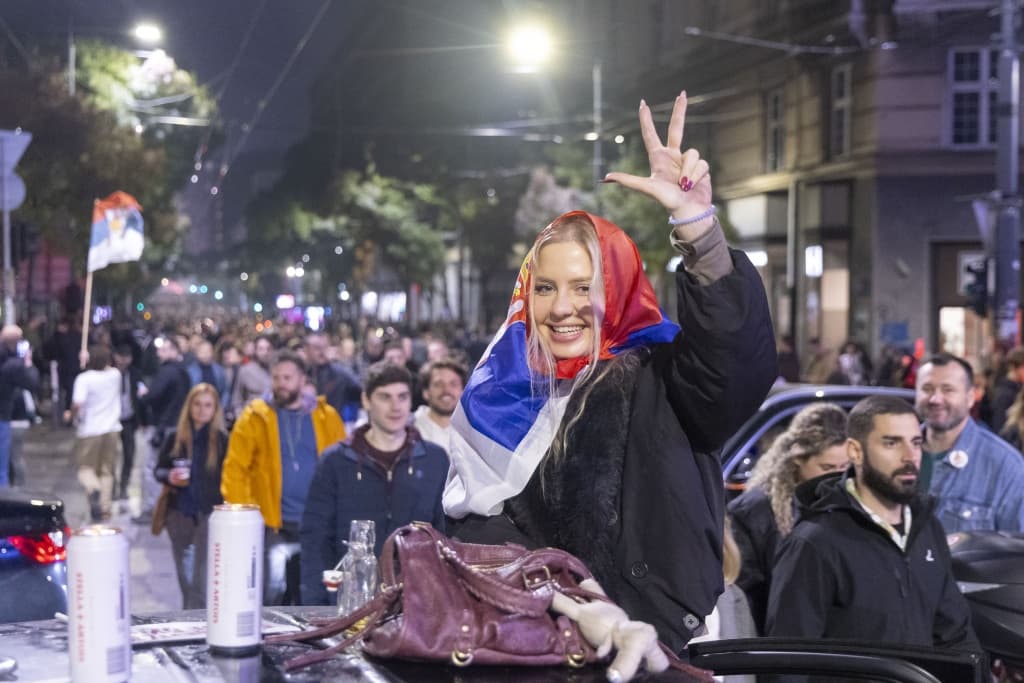
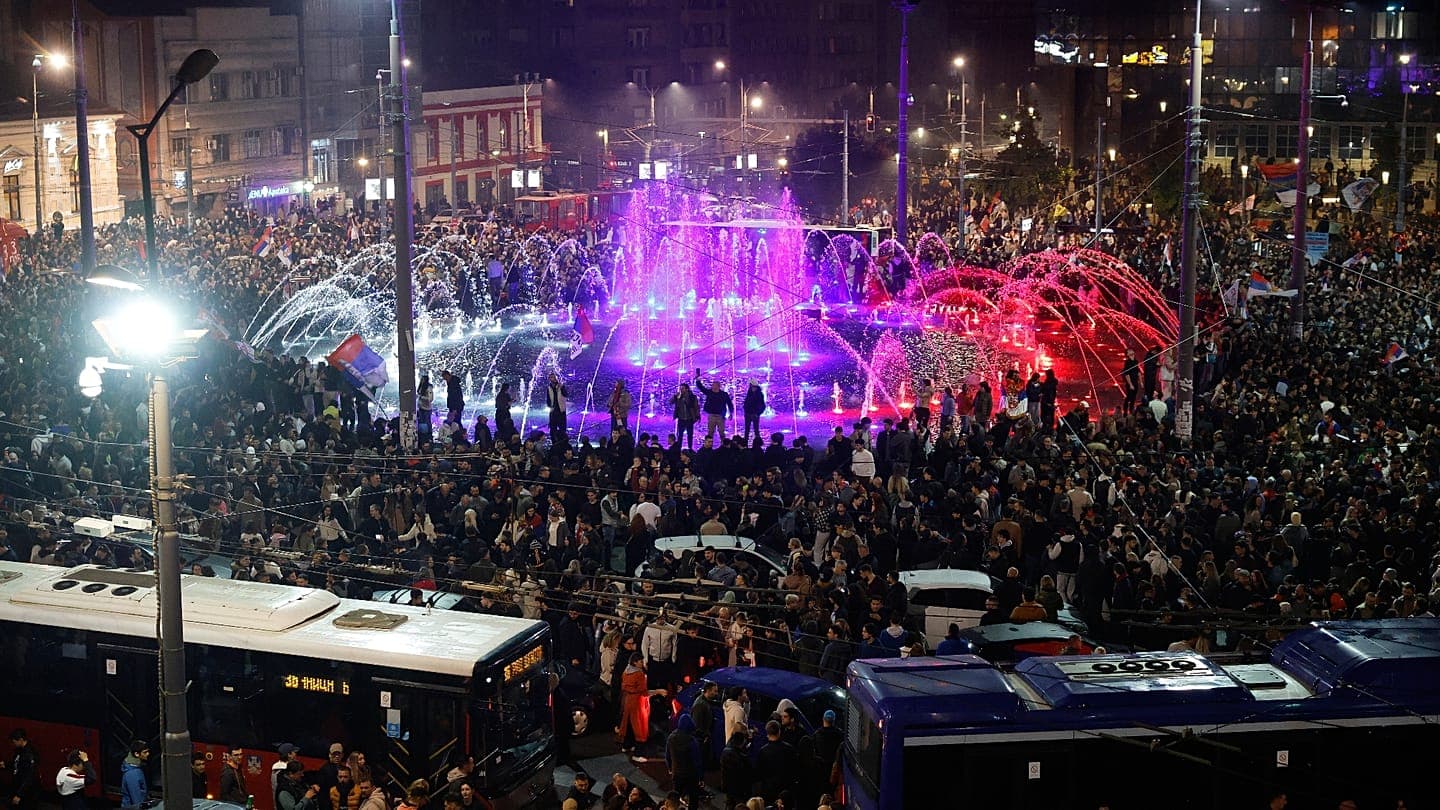
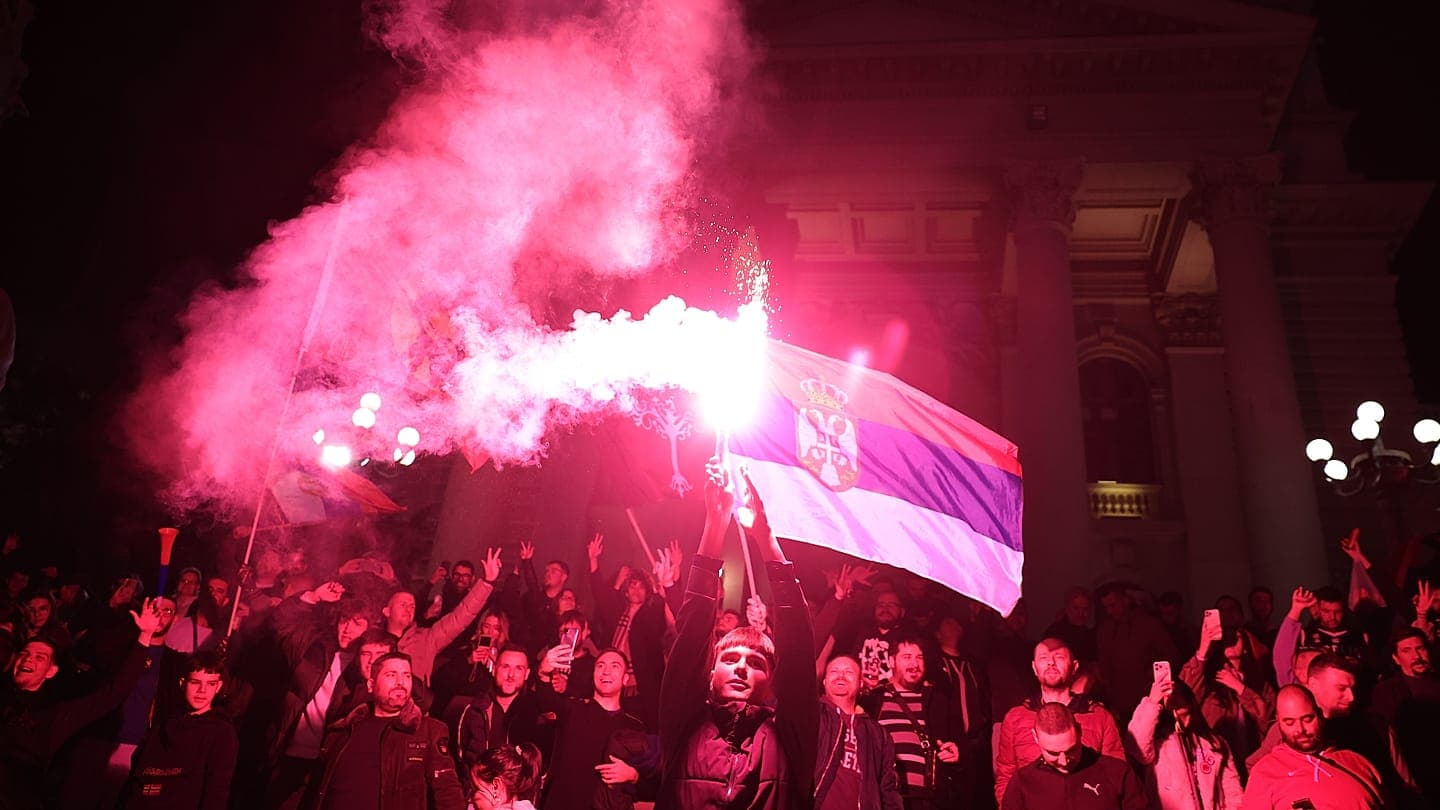
- The student movement 'Student List' won Serbia's elections, securing a parliamentary majority and ending Aleksandar Vucic's 12-year rule.
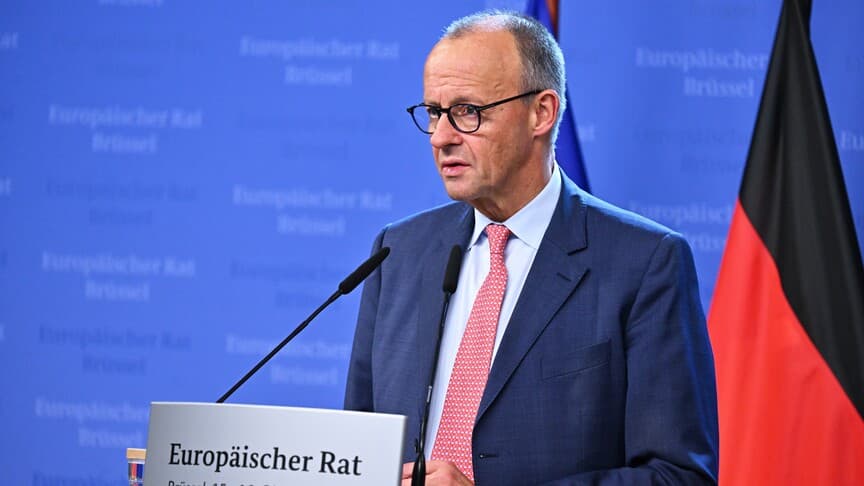
- European Council President Antonio Costa and European Commission President Ursula von der Leyen pledged in a joint statement to support reforms in the rule of law, media freedom and the fight against corruption.
- Euronews assesses that the prospect of giving new momentum to Serbia's stalled EU accession remains hard to predict.
The end of Vucic's 12-year rule
In Serbia's parliamentary elections the student-led movement 'Student List' won, securing a majority in parliament. This ended Aleksandar Vucic's 12 years in power and, as Euronews notes, raised hopes of a reset in relations with Brussels. EU leaders reacted swiftly: European Council President Antonio Costa and European Commission President Ursula von der Leyen welcomed the result in a joint statement, pledging support for reforms in the rule of law, media freedom, the fight against corruption and the strengthening of democratic institutions, as well as readiness to work on Serbia's future within the EU.
Strained relations with Brussels
Serbia — the largest and most influential country in the region — has a difficult history with the EU. As Euronews writes, the accession process stalled after Russia's full-scale invasion of Ukraine, as Belgrade maintained friendly ties with Moscow. In July, the European Commission attempted to open a new accession negotiation cluster, but eight member states blocked the move over Serbia's failure to comply with EU sanctions against Russia and its rule-of-law record. Recently, relations deteriorated further over the funeral of convicted war criminal Ratko Mladic, which was held with military honours and attended by senior Serbian officials.
Reaction of European politicians
Enlargement Commissioner Marta Kos wrote in a post on Xthat after almost two years of protests for democracy, the rule of law and the fight against corruption, Serbs turned out to vote in historically record numbers, that 'a new chapter may begin for Serbia', and that 'the door to the EU is open'. European Parliament rapporteur on Serbia Tonino Picula (Croatia/S&D) said on social media that 'now is the time for the rule of law, reforms and institutions that serve all citizens', and that this should be the path to the EU.
Uncertain prospects
According to Euronews, it is difficult to predict whether the change of power in Belgrade will give new momentum to the stalled accession process. At the same time, Brussels notes that the 'Student List' grew out of a pro-democracy movement for the rule of law, which fuels hopes that Belgrade will now align with EU values and reforms. The editorial conclusion from these facts: the key test for the new majority will be precisely the issues that blocked rapprochement with Brussels — compliance with EU sanctions policy and the state of the rule of law — but the publication contains no data on how the new government intends to address them.
Why it matters
The change of power in the largest country of the Western Balkans directly affects the fate of EU enlargement to the region and Serbia's relations with Russia and Brussels. The following practical changes follow from the facts presented: the question of opening a new accession negotiation cluster, previously blocked by eight member states, may be put back on the agenda, while the scale and direction of EU support for reforms will depend on the actions of the new Serbian government.