The key facts
- Serbia held early parliamentary elections on 25 October; polls predict an even contest between Vucic's SNS and the 'Student List'
- The movement grew out of protests after the collapse of a canopy at the Novi Sad railway station in 2024, in which 16 people died
- Vucic stepped down as president early to run for prime minister: the constitution bars him from a third presidential term
Voting and the balance of power
On Sunday, polling stations opened in Serbia for early parliamentary elections, which, according to media assessments, became the most competitive in more than 14 years. According to polls, the main contest is between the ruling Serbian Progressive Party (SNS) and the new, youth-backed 'Student List'. In total, 18 electoral lists are competing for 250 seats in parliament, but several leading opposition parties refused to take part and urged their supporters to vote for the students. Turnout was expected to be unusually high among the 6.4 million registered voters: according to the central election commission, almost 20% had voted by 10 a.m., compared with 9.94% in the 2023 elections. Polling stations were open from 7:00 to 20:00 local time (closing at 19:00 GMT).
From the Novi Sad tragedy to an electoral challenge
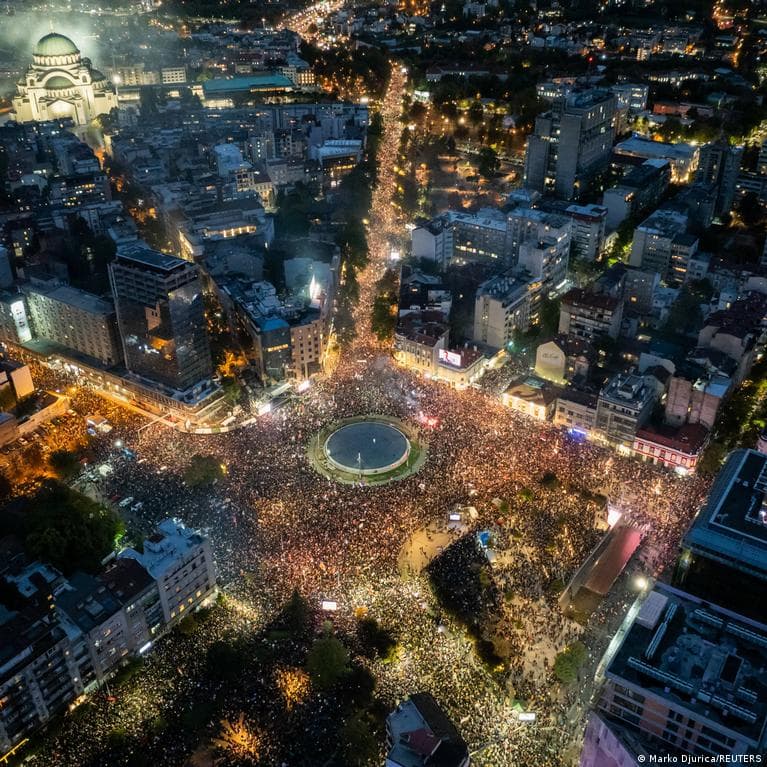
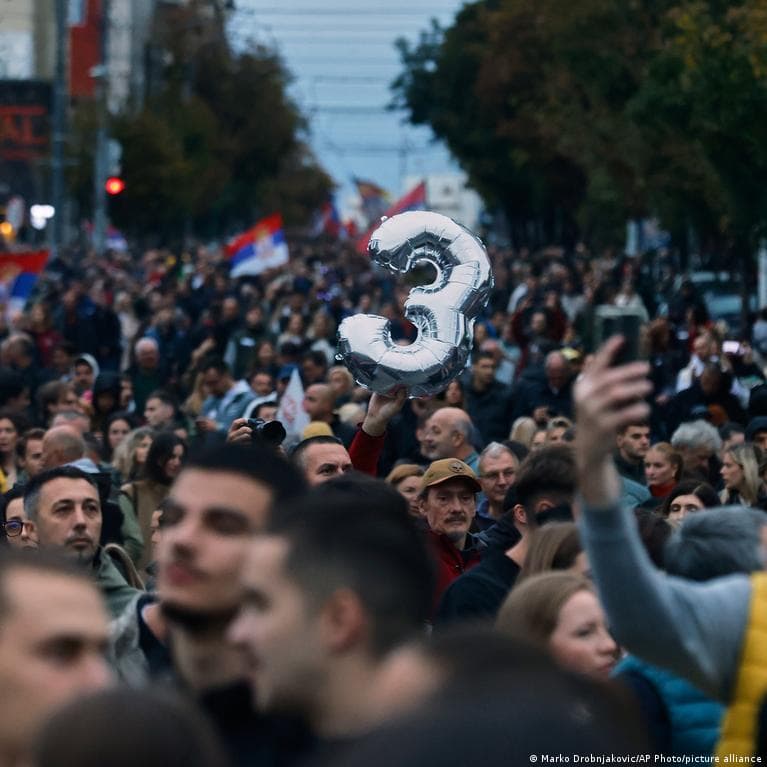
The movement grew out of mass student protests triggered by the collapse of a canopy at the railway station in Novi Sad in 2024, in which 16 people died. The disaster sparked a broad wave of anger over accusations of corruption, low construction standards and a lack of accountability for infrastructure projects; the authorities reject these accusations. The protests, which began with blockades and marches of universities, were gradually joined by teachers, farmers and other groups in society and, according to Deutsche Welle, grew into the largest movement in Serbia since the fall of Slobodan Milosevic in 2000. Most of the 250 candidates on the 'Student List' are professionals from academia and the arts with no political experience; the movement's platform is focused on fighting corruption and evolved from demanding a transparent investigation into the tragedy to demanding early elections.
Vucic switched posts to run in the election
Aleksandar Vucic, who has ruled the country for more than a decade, after early elections were announced last month stepped down as president in order to run for prime minister: Serbia's constitution bars him from a third presidential term, and his second term would have expired in May 2027. He came to power as prime minister in 2014 and was president from 2017; critics accuse him of concentrating power and pressuring independent media, which he and his party deny. During the campaign, Vucic repeatedly accused the student movement of preparing a foreign-funded coup. A few days before the vote, Serbian civil society organisations warned that conditions for 'free and fair elections' were absent; domestic and international observers are monitoring the vote, and students have mobilised numerous volunteers.
Context and significance
The elections are being closely watched in Europe: Serbia is an EU membership candidate, but the accession process is complicated by concerns about democratic standards and the rule of law; at the same time, Vucic maintains close ties with Russia and refused to join Western sanctions against Moscow. The vote took place six months after Peter Magyar's victory in Hungary, where he defeated Vucic's ally Viktor Orban — and the student movement, according to Deutsche Welle, hopes to repeat that scenario. The results of the vote were not known at the time of publication, and the final outcome and the composition of the future government remain uncertain. For the country, the result will determine whether the SNS keeps power, which it has held since 2012, or yields to a movement born out of demands for justice in the Novi Sad tragedy; in practical terms, this affects both Serbia's course in EU accession talks and domestic policy, including the investigation into the canopy collapse.