The key facts
- Aleksandar Vucic admitted the ruling party's defeat in the parliamentary elections on Sunday, October 25, 2026
- According to preliminary data from Serbia's election commission, turnout was the highest in parliamentary elections in more than three decades
- The protests preceding the elections began after the collapse of a canopy at the Novi Sad railway station in November 2024, which killed 16 people
Vuchich admitted defeat, opposition supporters celebrate in Belgrade
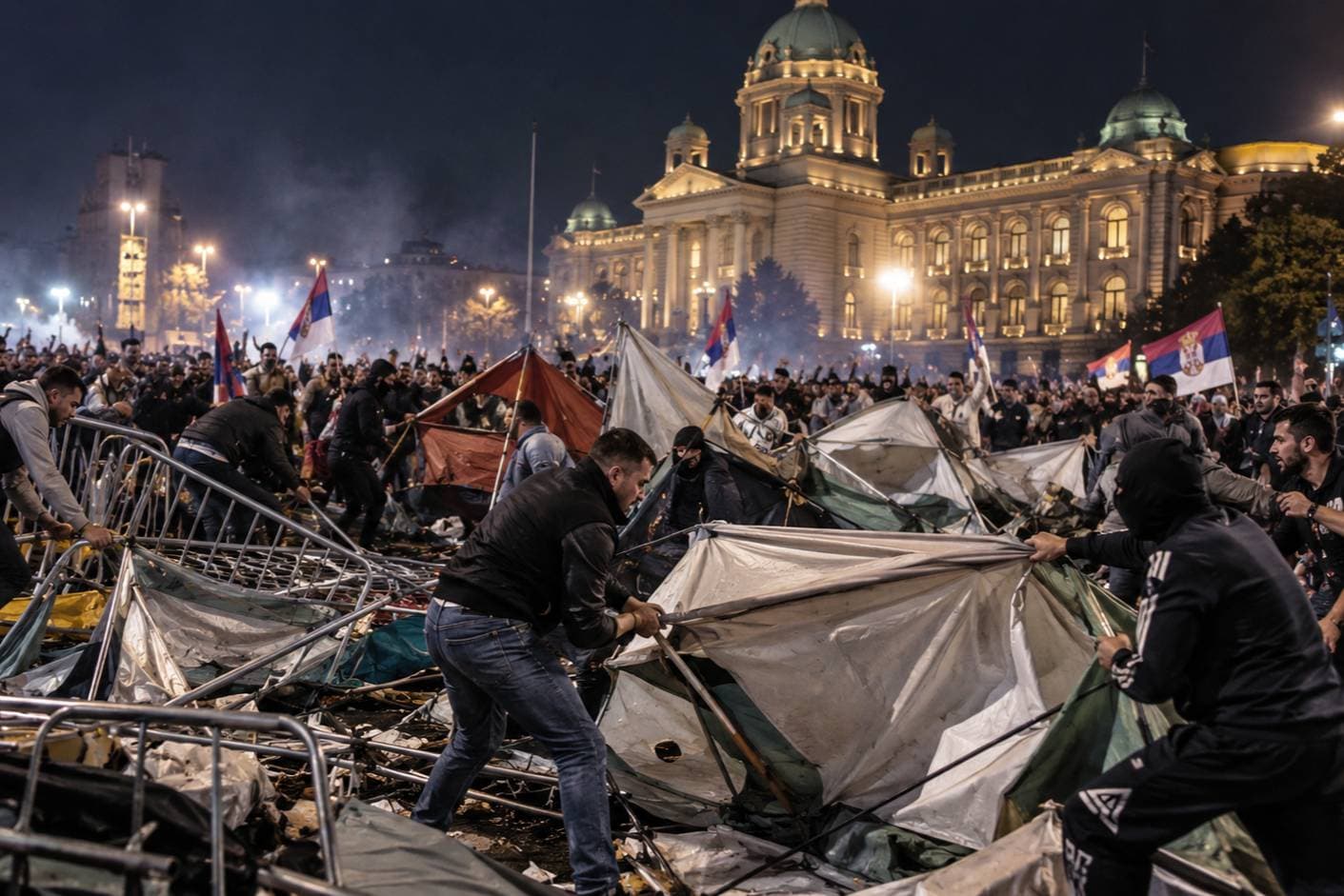
Serbian President Aleksandar Vucic on Sunday, October 25, 2026, admitted defeat in the parliamentary elections, Euronews reports. Supporters of the opposition movement, backed by students, gathered in Belgrade to celebrate the announced result — the defeat of a party that had dominated Serbian politics for many years. The outlet describes what happened as a major political turning point after nearly two years of demonstrations against Vucic's government.
Record turnout according to preliminary data
After polling stations closed, election commission staff began counting ballots across the capital. According to preliminary figures released by the Serbian election commission, turnout was the highest in parliamentary elections in more than three decades, which, according to Euronews, reflects the scale of citizen participation in a closely watched contest between the ruling party and a broad opposition movement.
The elections were preceded by nearly two years of protests
The wave of protests began after the collapse of a concrete canopy at the railway station in Novi Sad in November 2024, when 16 people were killed. The tragedy sparked widespread outrage over alleged corruption and failures of state oversight. Students were the driving force behind the demonstrations that swept across Serbia; their movement gradually united people of different political views who demanded government accountability and political change.
What is known and what remains unclear
According to Euronews, Vucic's admission of defeat put a dramatic end to the electoral battle, however, the publication does not provide final voting results, the distribution of seats in parliament, or information about the next steps of the opposition and the incumbent government. The editorial team notes: the report is based on preliminary commission data and the admission of defeat, so the final composition of the authorities remains unknown until the official count and announcement of results.
Significance of the event
The event marks the end of a political force that dominated Serbia for decades and is a direct consequence of the protest movement that grew out of the tragedy in Novi Sad, in which 16 people died. For the country's citizens, this means a possible change of power formed as a result of elections with record turnout; the practical consequences — the upcoming transfer of power and the institutions' response to the accountability demands put forward by the protesters. The specific political steps of the new forces have not yet been disclosed in available publications.