The key facts
- The Saudi-led coalition reported destroying two Houthi ballistic missile launchers in Sana'a
- According to the coalition, one launcher was used to fire a missile at Riyadh, which Saudi air defenses intercepted
- The Houthis earlier claimed strikes on King Khalid Airport and two military facilities in southern Saudi Arabia
Strike on Sana'a after a missile launch toward Riyadh
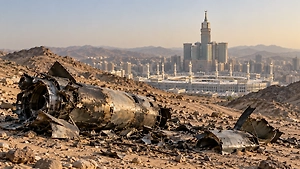
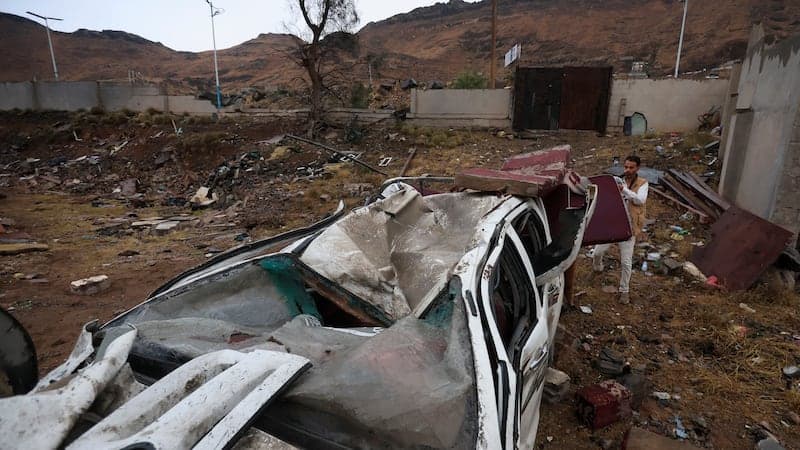
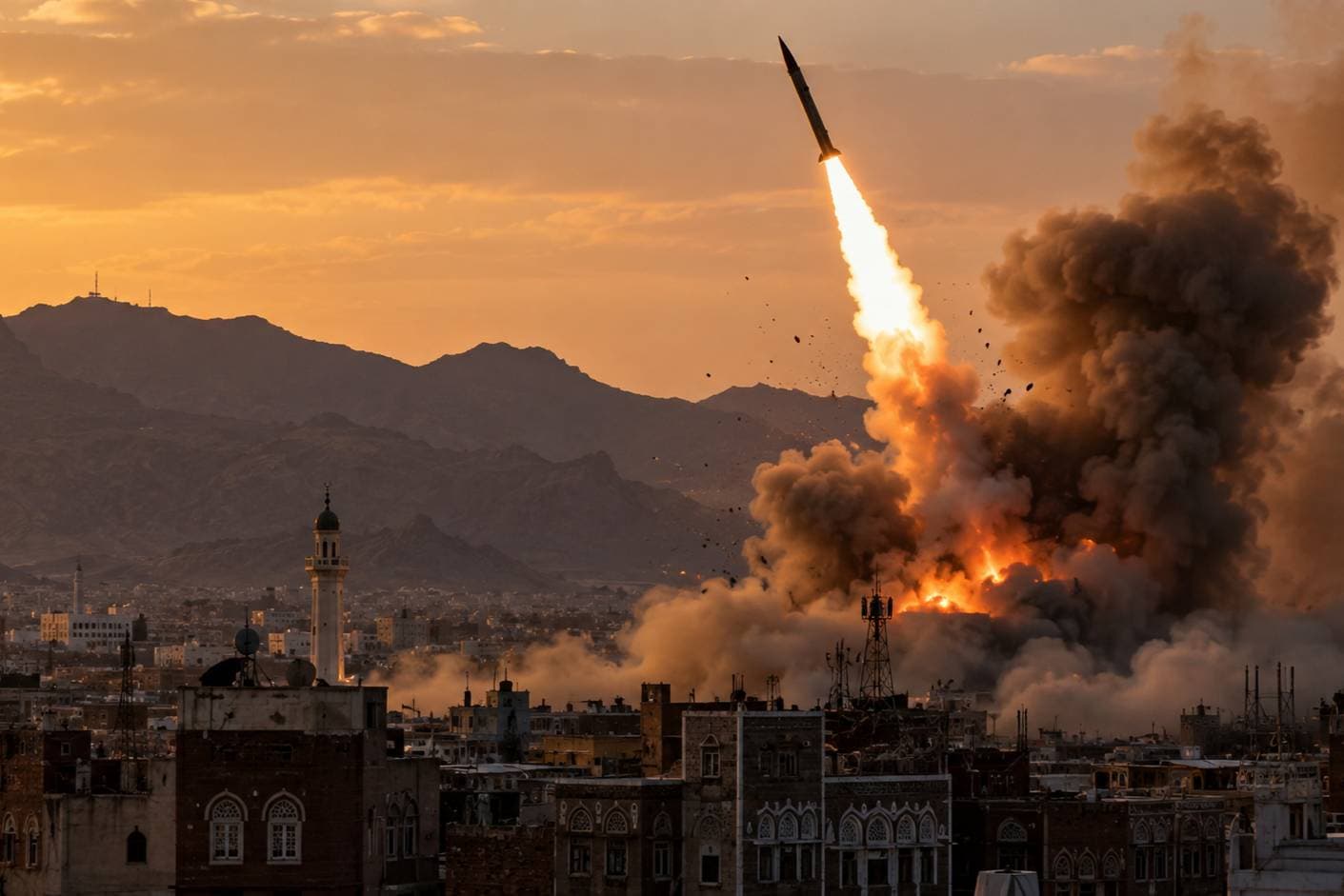
The Saudi Arabia-led coalition supporting the Yemeni government struck the Yemeni capital Sana'a early Monday morning, reporting the destruction of two Houthi ballistic missile launchers. Coalition spokesman Major General Turki al-Maliki said that one of the launchers had been used in recent hours to attack the Saudi capital Riyadh. In a post on the social network X, he added that the coalition continues operations to dismantle the Houthi ballistic missile network.
The parties' accounts of the missile attack
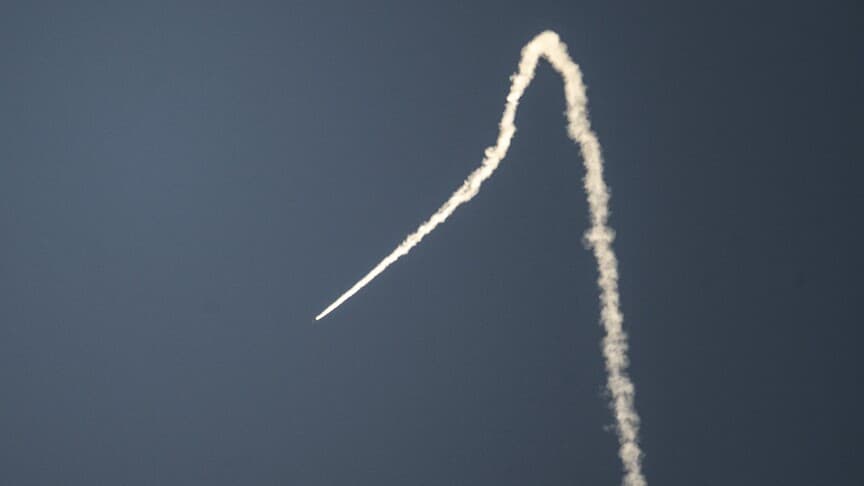
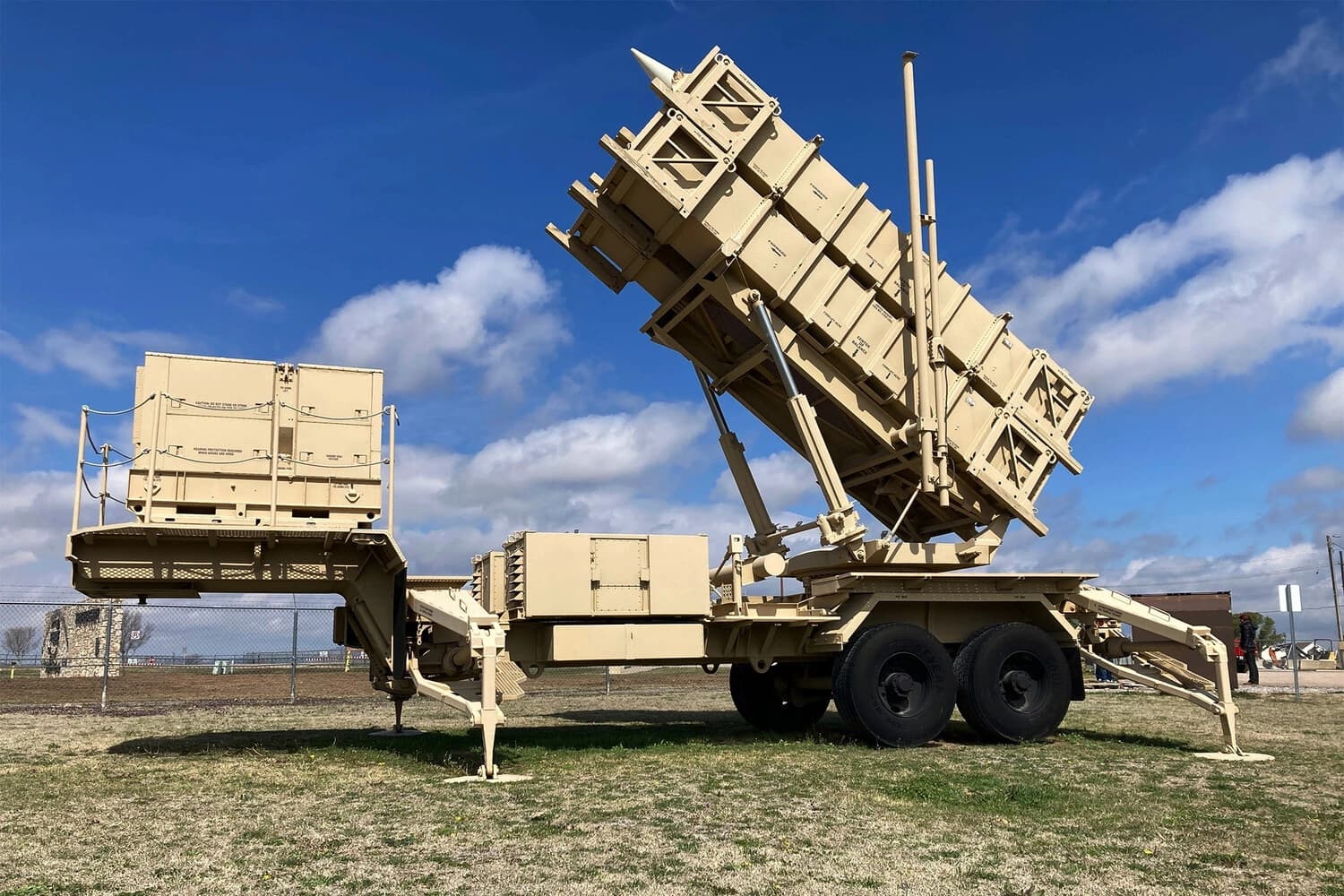
According to Life.ru, citing al-Maliki, Saudi air defenses intercepted and destroyed a missile aimed at Riyadh, and one of the launchers hit in Sana'a, according to the coalition, was used specifically for that launch. Earlier, the coalition spokesman had reported missile threats from Sana'a and the provinces of Saada and Amran. For their part, the Houthis of the Ansar Allah movement claimed missile strikes on King Khalid International Airport in Riyadh and two military facilities in southern Saudi Arabia, asserting that dozens of ballistic missiles were used in the attacks. The movement's spokesman called on international airlines and passengers to avoid flying through Riyadh airport, calling it unsafe due to the threat of further strikes. Neither side's claims are confirmed in the publications.
Yemeni army figures on Houthi losses
The Yemeni army said on Sunday that over the past 24 hours, in the course of 753 operations, its forces had 'neutralized' about 218 Houthi fighters and field commanders, destroying or damaging 78 pieces of military equipment and weaponry. According to the army, the operations targeted forward command posts, fortifications, firing positions, troop concentrations, reinforcements and supply vehicles as part of Operation 'Yemen Dawn'; the strikes, it is claimed, disrupted the transfer of Houthi reinforcements to the front line. The army did not provide a breakdown of those killed and wounded among the 218 'neutralized.' The Houthis did not immediately comment.
Context of the conflict
Yemen has been engulfed in conflict since 2014, when the Houthis seized Sana'a and a number of provinces, prompting the Saudi Arabia-led coalition to intervene in 2015 in support of the internationally recognized government. The Houthis control most of the country's north and west, including Sana'a, while the recognized government and allied forces hold Aden and significant territories in the south and east. According to Anadolu, the resumed fighting has shifted front lines, especially along the Red Sea coast, and control over a number of districts remains contested.
Why it matters
The exchange of strikes between the coalition and the Houthis directly affects civil aviation security: the Houthi call to avoid Riyadh airport affects international airlines and passengers, and the interception of a missile near the Saudi capital shows that the threat extends beyond Yemen. In practical terms, this means continued operations against the Houthis' missile infrastructure and continued uncertainty about the actual scale of losses: the figures on 218 'neutralized' fighters come only from the Yemeni army and have not been confirmed by the Houthis.