The key facts
- The coalition reported intercepting 10 ballistic missiles in the south of the kingdom, a missile and a drone near Riyadh, and a cruise missile near Khamis Mushait
- Two terminals of King Khalid Airport in Riyadh resumed operations on Sunday after an attack that killed 13 people and left more than 300 wounded
- The Houthis again called the airport a military target, while the US urged citizens to refrain from travel to Saudi Arabia and several countries in the region
Massive interception over the capital and the south of the kingdom
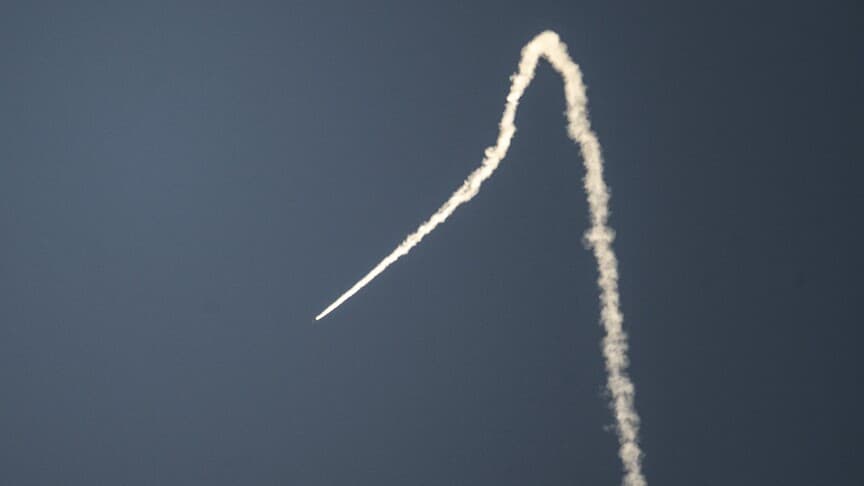
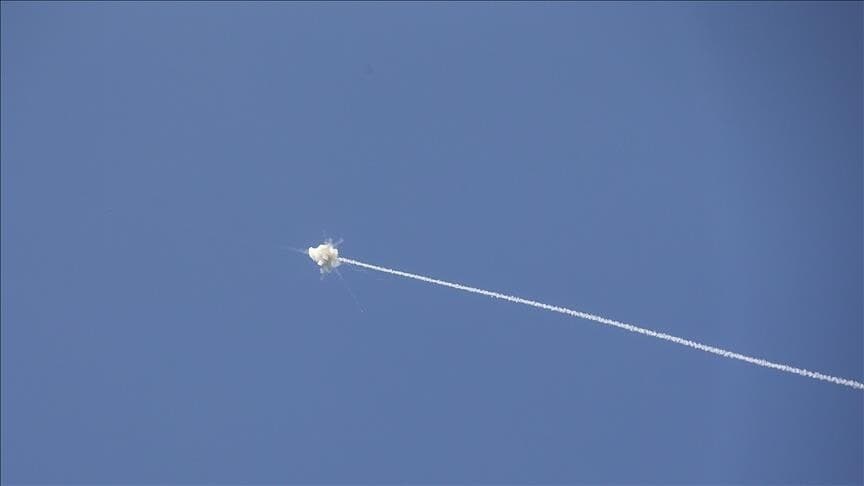
Saudi Arabia intercepted a series of missiles and drones on Sunday, including launches toward the capital Riyadh, the Riyadh-led coalition command in Yemen reported. According to the coalition, air defenses destroyed 10 ballistic missiles launched at the kingdom's southern region, and also intercepted a ballistic missile and destroyed a drone aimed at Riyadh. Separately, the command reported intercepting a cruise missile flying toward Khamis Mushait in the country's southwest (The National).
Civil defense warnings and debris in Mecca
Saudi Arabia's Civil Defense issued danger warnings via the National Early Warning Platform for the city of Abha and the Khamis Mushait governorate; the warning for Khamis Mushait was the second on Sunday morning. Later, the agency said the danger had passed and urged residents to follow safety instructions, avoid crowds and filming. The coalition also stated that debris from the interception of two ballistic missiles on Saturday fell in Mecca, Jeddah, Taif and Rabigh (The National).
Riyadh airport partially resumes operations amid Houthi threats
The attacks coincided with the partial resumption of operations at King Khalid International Airport in Riyadh: two terminals opened on Sunday, roughly two weeks after the airport was closed following a Houthi missile strike in which 13 people were killed and more than 300 were wounded. Terminal 1 will handle domestic flights and Terminal 2 international flights. The Houthis again threatened airlines, airport staff and passengers: the group's spokesman Yahya Saree called the airport unsafe and a
Warnings from the US and the context of escalation
On Saturday, the US warned citizens against travel to Saudi Arabia and a number of other countries in the region, including Bahrain, Iran, Iraq, Jordan, Lebanon, Kuwait, Oman, the UAE, Qatar, Syria, Yemen and Israel, citing the threat of terrorism. In its advisory for Saudi Arabia, Washington pointed to the risk of drone and missile strikes against American interests by Iran and Iran-backed Houthis, as well as armed conflict and terrorism, and separately cautioned against travel to the border with Yemen. The US warned that Houthi attacks could quickly spill beyond the immediate area. According to The National, the coalition resumed its military campaign in Yemen last month after the Houthis advanced along the Red Sea coast toward the strategic Bab el-Mandeb strait; a ceasefire brokered by the UN in 2022 had held a fragile peace until this year.
Why it matters
The events directly affect civil aviation and travelers: the resumption of operations at Riyadh's terminals is taking place amid ongoing Houthi threats against airlines and passengers, while US travel warnings cover nearly the entire Persian Gulf region. In practical terms, this means continued disruptions and risks for flights through Saudi airports, and for residents of the kingdom's south, regular civil defense alerts, as already happened in Abha and Khamis Mushait. The editorial team notes that the interception figures cited come from the coalition command; the publication contains no independent confirmation of the scale of the attacks.