The key facts
- Coalition air defense intercepted a Houthi ballistic missile launched toward Riyadh
- Over several days, the Houthis attacked Riyadh airport and facilities in Aden, and missile debris fell near Mecca and Medina
- Earlier, the building of Saudi Aramco's headquarters was damaged in a Houthi attack
The missile was intercepted on approach to the capital
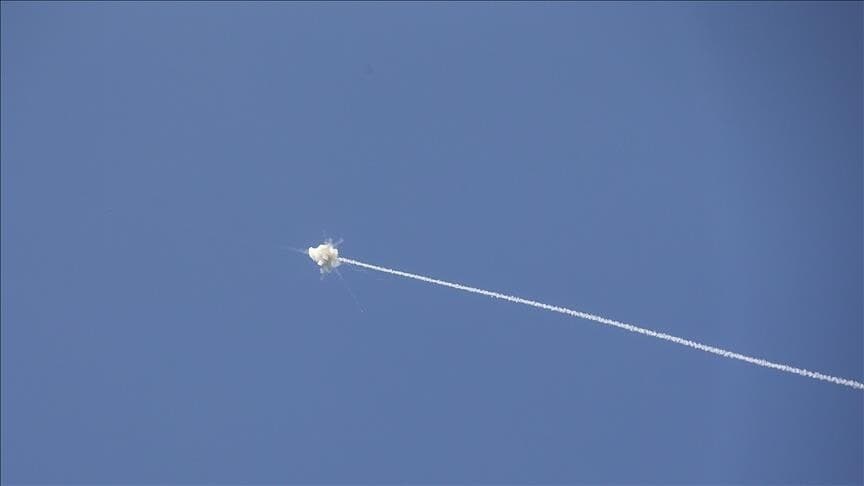
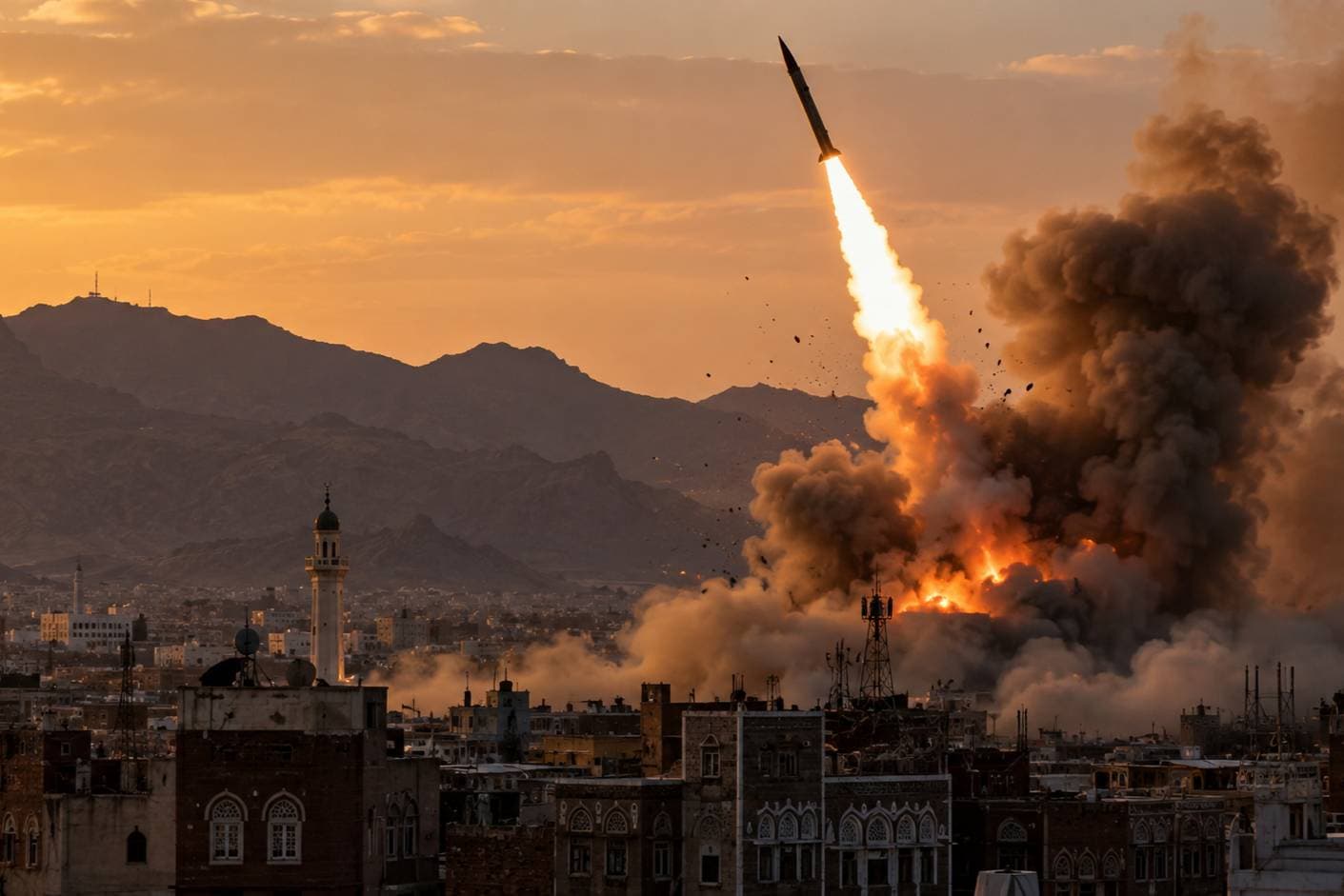
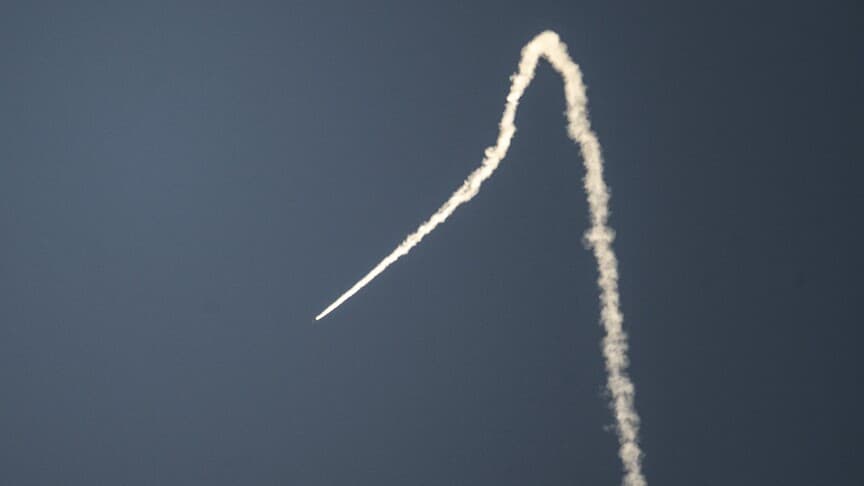
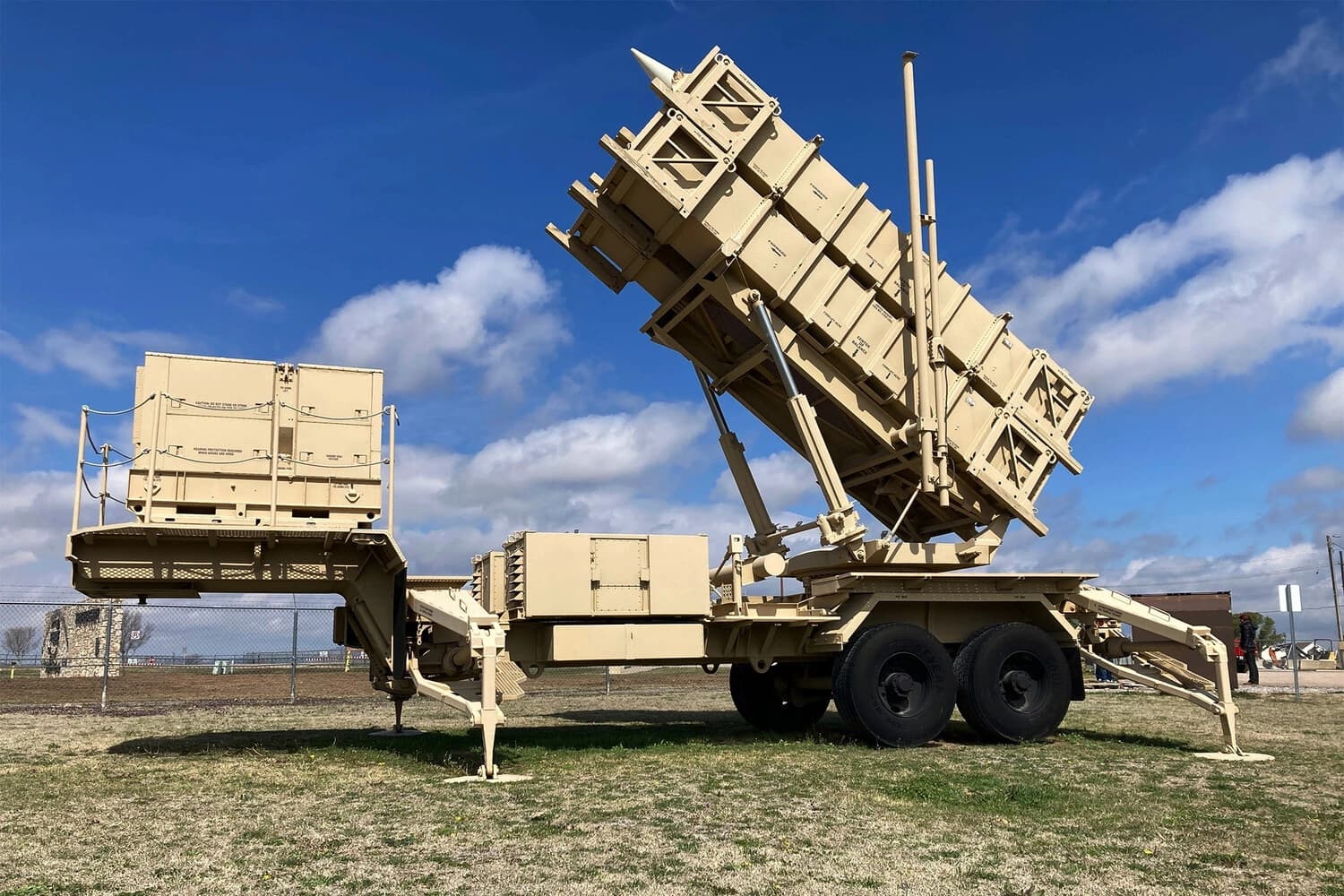
Forces of the Saudi Arabia-led coalition shot down a ballistic missile of the Yemeni Ansar Allah movement (the Houthis). Coalition spokesman Turki al-Malki announced the interception on his page on the social network X. According to him, air defense systems destroyed the missile, which the Houthis had launched toward the kingdom's capital, Riyadh.
A series of attacks over several days
The interception was another episode in a string of escalations. On October 25, the Houthis themselves claimed a ballistic missile strike on King Khalid International Airport in Riyadh. A day earlier, according to media reports, debris of two ballistic missiles fell in the area of the cities holy to Muslims, Mecca and Medina, in western Saudi Arabia, fired by the Ansar Allah movement. Several hours earlier, the Houthis attacked a military camp and a naval base in Aden: movement spokesman Yahya Saree claimed that forces at these facilities were being trained by Saudi officers led by Brigadier General Badr Salah al-Harbi.
Context and what is known about the damage
Earlier in Saudi Arabia, the building of Saudi Aramco's headquarters was damaged in a Houthi attack. No new casualties or destruction were reported in connection with the latest interception; data on the consequences of the debris falling near Mecca and Medina and the attacks in Aden are also not disclosed in the available materials.
Why it matters
The frequency of attacks within just a few days — on the capital's airport, facilities in Aden, and the areas of Mecca and Medina — shows that the shelling covers military as well as civilian and religiously significant territories. For Saudi Arabia, this means continued strain on the air defense system and risks to air traffic and the security of key infrastructure, including the oil industry, which has already been affected by strikes. The consequences of the attacks and a possible coalition response remain unknown, so assessing further escalation would be premature.