The key facts
- Construction of a hydropower cascade of five hydroelectric stations on the Yarlung Tsangpo began in July 2025 in Nyingchi County of the Tibet Autonomous Region
- The Ya'an — Nyingchi section of the Sichuan–Tibet railway, about 1,018 km long, consists almost entirely of 69 tunnels and 104 bridges
- India and Bangladesh are monitoring the Tibetan hydropower project due to its possible impact on the river regime
A large-scale construction programme
China's railway network has exceeded 165,000 kilometres, and the country operates an extensive system of highways, ports, energy and hydraulic engineering facilities. According to Kun.uz, the new construction projects are intended to expand these networks, link them together and eliminate capacity shortfalls at existing facilities. The publication lists ten major projects, three of which are described in detail.
Hydropower cascade on the Yarlung Tsangpo
The first project is a hydropower complex of five cascading hydroelectric power stations on the lower reaches of the Yarlung Tsangpo river. Its construction began in July 2025 in Nyingchi County of the Tibet Autonomous Region. The company China Yajiang Group was established to develop and operate the project. The river cuts through the Tibetan Plateau and descends sharply in the southeast, continuing downstream under the name Brahmaputra. High mountains, large elevation differences and complex geological conditions complicate construction. According to Kun.uz, India and Bangladesh are also monitoring the project, since the impact of upstream structures on the river regime and ecology matters to other states of the river basin as well.
A railway consisting almost entirely of bridges and tunnels
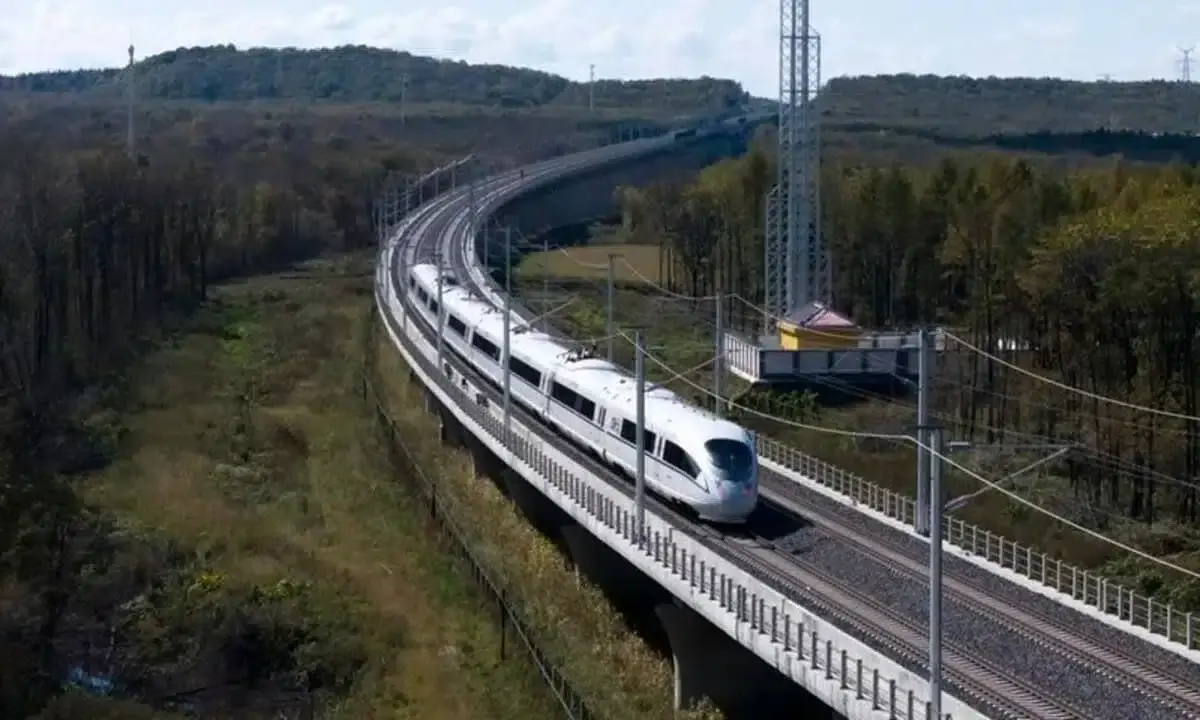
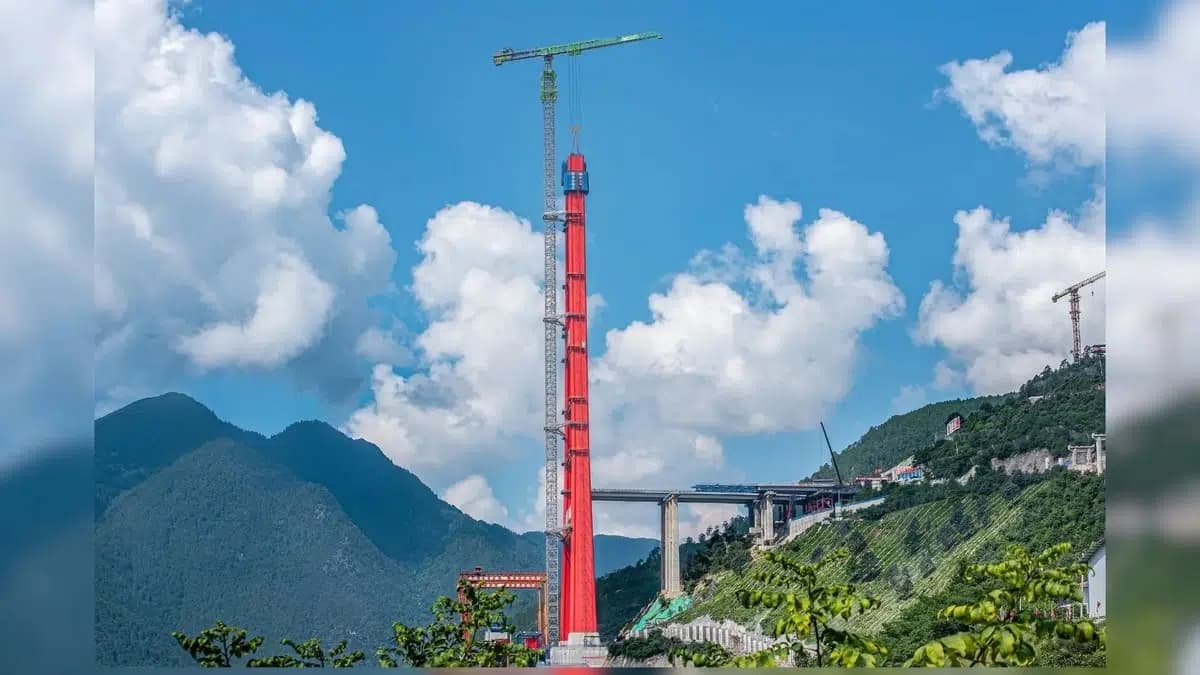
The second project is the Ya'an — Nyingchi section of the Sichuan–Tibet railway, about 1,018 kilometres long. Of this, roughly 841 kilometres run through 69 tunnels, and another 112 kilometres across 104 bridges. Ordinary surface sections account for only about 64 kilometres of track, and the combined share of bridges and tunnels reaches 93.7%. The line provides for the construction of 24 stations, with the design train speed ranging from 120 to 200 kilometres per hour depending on the terrain. Delivering workers, equipment and materials to high-altitude and deeply cut river valleys is a challenge in itself, so the highways serving the main line are being upgraded in parallel.
The tunnel under the Yangtze and the limits of the publication
The third named project is the 11-kilometre tunnel under the Yangtze River. Details about it and the remaining seven projects are not given in the available fragment of the Kun.uz publication: the text breaks off at the headline about this tunnel, so the details of the seven remaining projects remain unknown. The editorial conclusion from the facts presented: the programme covers both energy and transport in geographically complex regions, and the Tibetan hydropower project already has an international dimension at the construction stage — India and Bangladesh, which depend on the Brahmaputra, are tracking its impact on the river.