The key facts
- A magnitude 7.0 earthquake occurred on October 22 at 22:33 local time at a depth of 10 km in Baxoi County, Nagqu
- 16 people were killed and 76 injured; the strongest aftershock, magnitude 5.7, was recorded on the evening of October 25
- A fault 8–30 meters wide and up to 3.5 meters deep was discovered; no damage to glacial lakes was found
The earthquake and its consequences
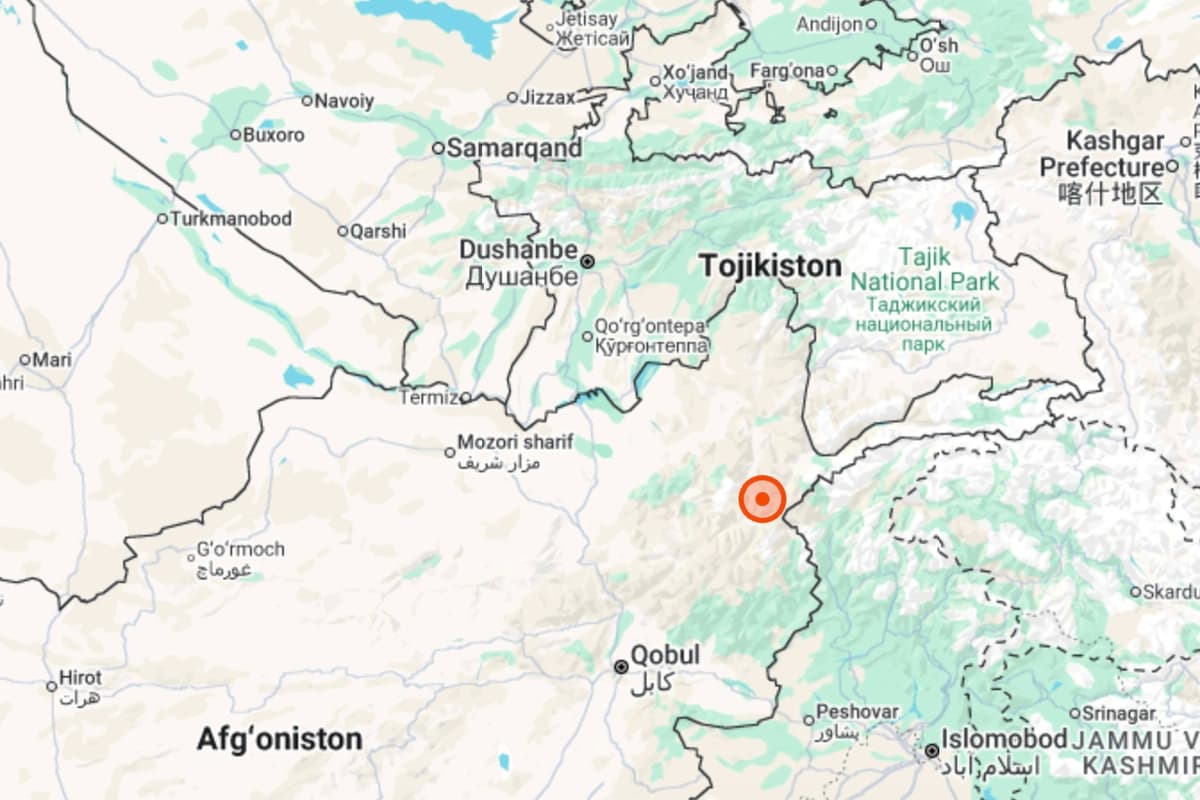
A magnitude 7.0 earthquake struck Baxoi County in Nagqu City, Tibet, on October 22 at 22:33 local time. The tremor was recorded at a depth of 10 km. According to the latest data, 16 people were killed and 76 more were injured. This was reported by Gazeta.Ru, citing the Chinese agency Sina.
The discovered fault
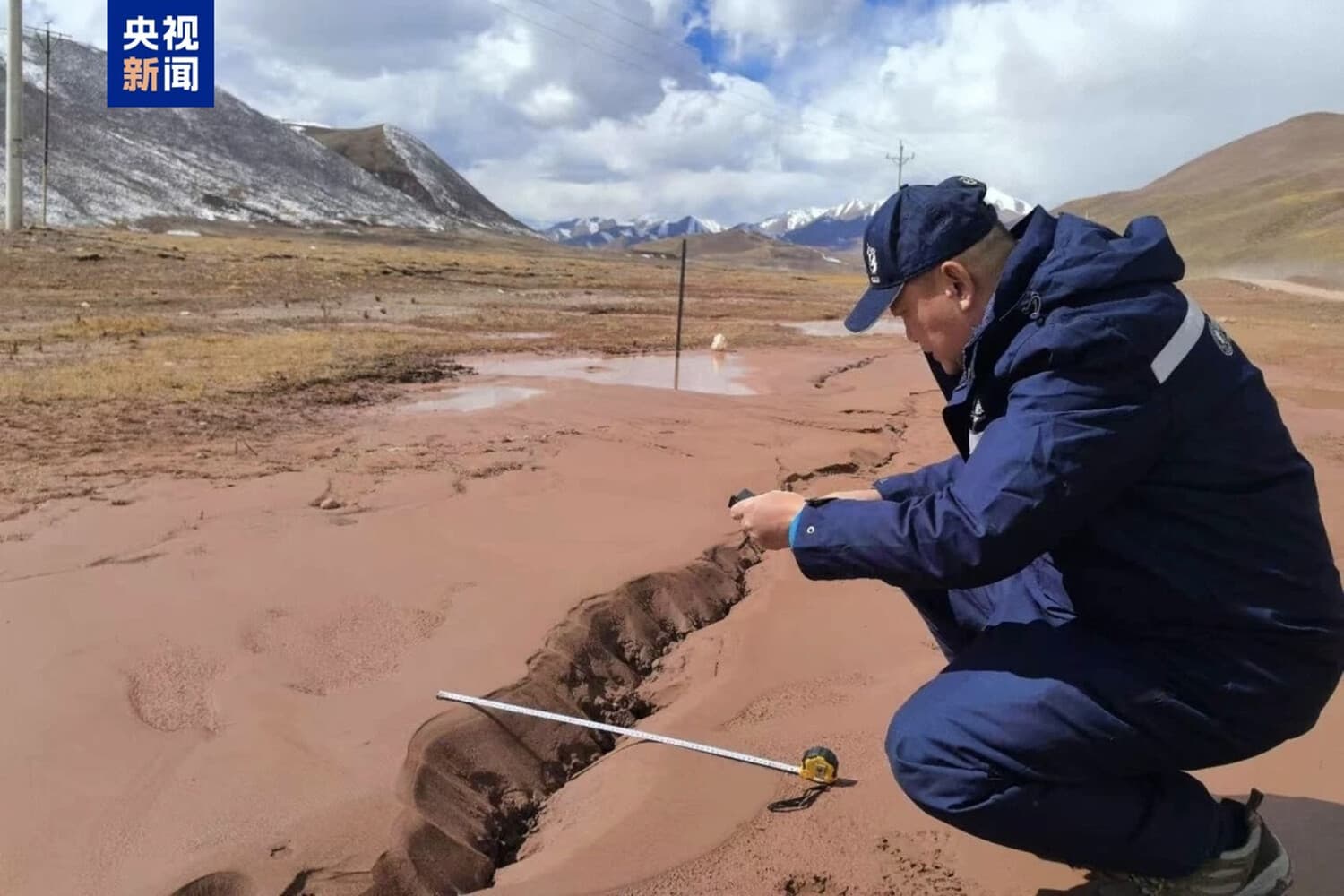
Chinese seismologists discovered a deep fault formed after the tremor, located about 15 km east of the epicenter and 20 km from the town of Maju. The width of the crack varies from 8 to 30 meters in different places, its depth reaches 3.5 meters, and the horizontal displacement of the rock is 0.9 meters. Specialists also recorded soil liquefaction and cracks in several places — in their assessment, this indicates that the zone of geological consequences of the earthquake turned out to be very wide.
Aftershocks and risk assessment
On the evening of October 25, a magnitude 5.7 earthquake occurred in the same area — the strongest aftershock since the main shock. China's Ministry of Natural Resources launched an assessment of secondary geological risks: rescuers surveyed 50 km around the epicenter. To analyze 80 glacial lakes and 145 glaciers in the affected zone, satellite images taken before and after the earthquake were used. No significant damage to them was found, no glacial lake outbursts have been recorded.
Context
The scale of the discovered fault and the soil liquefaction show that the impact's consequences extended far beyond the zone of building destruction, which complicates assessing whether areas are safe for residents to return. The inspection of the glacial lakes was important, since their outburst is a typical secondary risk of strong earthquakes in high-mountain regions; according to the ministry, this threat has not materialized so far. Information about the causes of the destruction, the condition of the injured, and the progress of recovery efforts is not provided in the available publications.