The key facts
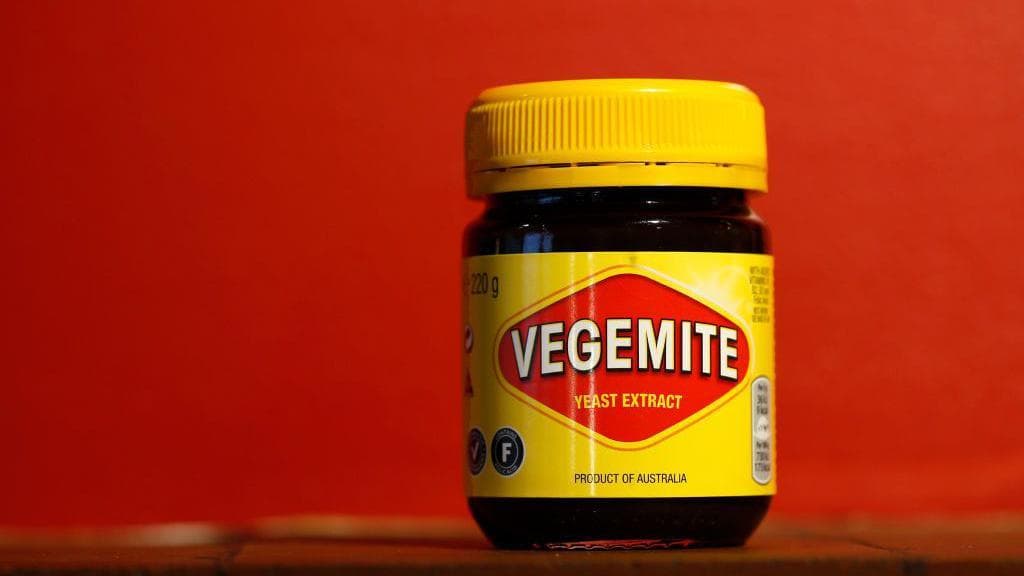
- The Supreme Court of Victoria rejected Andrea McKechnie's appeal against the ban on Vegemite in prisons, in force since 2006
- State authorities cite the risk of disguising contraband, interference with drug-detection dogs, and the making of alcohol
- The product is also banned in prisons in Queensland, South Australia and Tasmania
Lawsuit dismissed
The Supreme Court of the Australian state of Victoria on Monday rejected the appeal of Andrea McKechnie (Andre McKechnie), a 54-year-old inmate serving a life sentence for murder, against the ban on Vegemite yeast paste in the state's prisons. According to BBC News, McKechnie argued that the ban, in force since 2006, deprives him of the right to 'enjoy his culture as an Australian.' The judge replied that the inmate's 'cultural rights' are 'limited primarily by the fact that he has been sentenced to imprisonment.'
The parties' arguments
In his lawsuit against the Victorian Department of Justice and Community Safety, which runs the state's prisons, McKechnie cited a law requiring that inmates be provided with food that allows them to maintain health and wellbeing. The judge found that a breach of this requirement had not been proven. For its part, Corrections Victoria pointed out during the hearings that the strong smell of the paste can interfere with drug-detection dogs searchingfor drugs smuggled into prisons, and that the paste itself is used to disguise contraband substances and to make alcohol behind bars.
Context
McKechnie was sentenced to life imprisonment for stabbing a property developer to death in Queensland in the 1990s; he served part of his sentence in Queensland before being transferred to Victoria. According to BBC News, Vegemite is also banned in prisons in Queensland, South Australia and Tasmania. The product, which appeared on shelves in 1923 and was invented in Melbourne as an alternative to British Marmite, has already been the subject of an international dispute: in April last year the owner of an Australian cafe in Canada was ordered to remove the paste from the shelves because it did not comply with local sanitary regulations. Australian Prime Minister Anthony Albanese then intervened in the conflict, calling it 'quite strange' that Canada allows the sale of the 'lousy' Marmite competitor; later the cafe owner was allowed to continue selling it.
Why it matters
The ruling confirms that Australian prison administrations may restrict access to symbolically significant products for the sake of institutional security, and effectively entrenches the practice of banning Vegemite already in place in four states. For inmates, it means that an appeal to 'cultural rights' on its own does not outweigh the arguments about contraband and security. For other readers, the dispute shows how sensitive a national symbol the product invented in Melbourne more than a century ago remains.
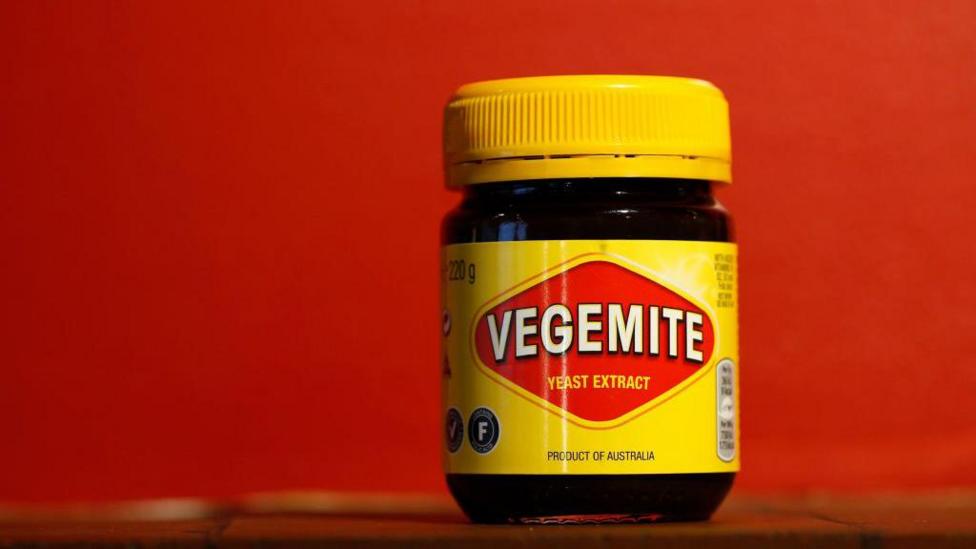 Image source, Getty Images
Andre McKechnie argues the Vegemite ban in Victoria's jails denies him the right to 'enjoy his culture'