The key facts
- Euronews has released a 24-hour itinerary for Vilnius: Gediminas’ Tower, the cathedral, the church of St Anne, the Bernardine Garden, Užupis, Literatų Street and museums.
- Euronews has released a 24-hour itinerary for Vilnius: Gediminas Tower, the Cathedral, St Anne's Church, the Bernardine Gardens, Užupis, Literatai Street and museums.
- The district of Užupis declared independence in 1997; its 41-point constitution is available in almost two dozen languages.
- Vilnius Airport is less than 6 km from the centre; the largest airlines are airBaltic, Ryanair and Wizz Air.
- Vilnius Airport is less than 6 km from the centre; the main airlines are airBaltic, Ryanair and Wizz Air.
A 24-hour guide to Vilnius
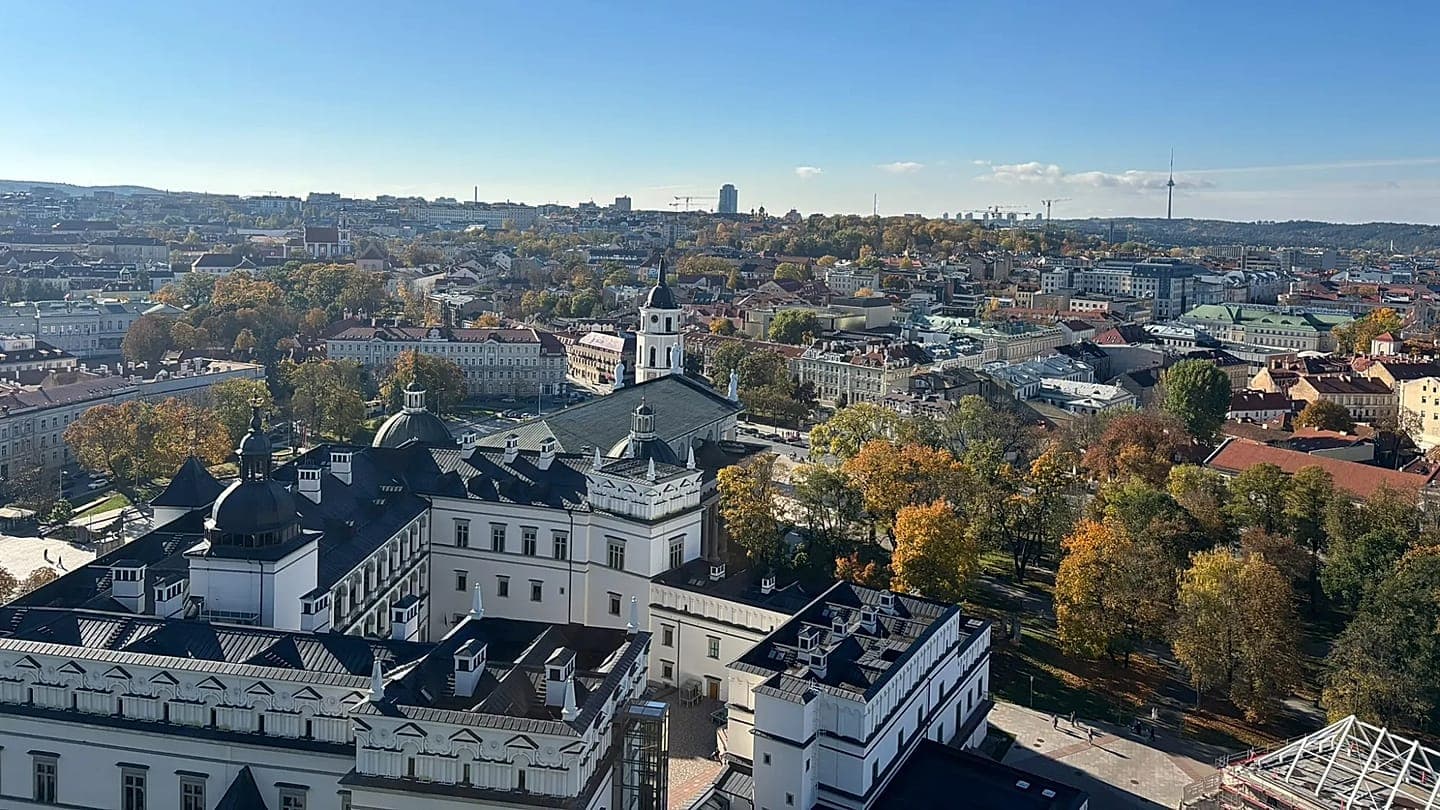
Euronews has published an original guide on how to spend 24 hours in Vilnius, the capital of Lithuania. The author notes that back in 2018 the city promoted itself as the “G-spot of Europe,” and now more and more tourists are discovering the Baltics thanks to the trend for “coolcations” — holidays in cool European cities. The author visited Latvia and Estonia last summer, and in October, returning to Riga and stopping in Sigulda, she made it to Vilnius, which she calls “stunning” — with a baroque Old Town listed by UNESCO, a developing gastronomic scene and unusual museums.
What to see
The main point of the itinerary is Gediminas’ Tower on top of the hill of the same name — all that remains of the Upper Castle built by Gediminas, the Grand Duke of Lithuania who founded Vilnius. The tower has become a symbol of the city: in 1919 the tricolour flag of Lithuania was raised here for the first time, and in 1988 it was hoisted again during the movement for independence from the USSR; this is told by the “Frequency of Freedom” exhibition. In the warm season, you can book a hot air balloon flight.
over the Old Town. The cathedral, the church and the garden
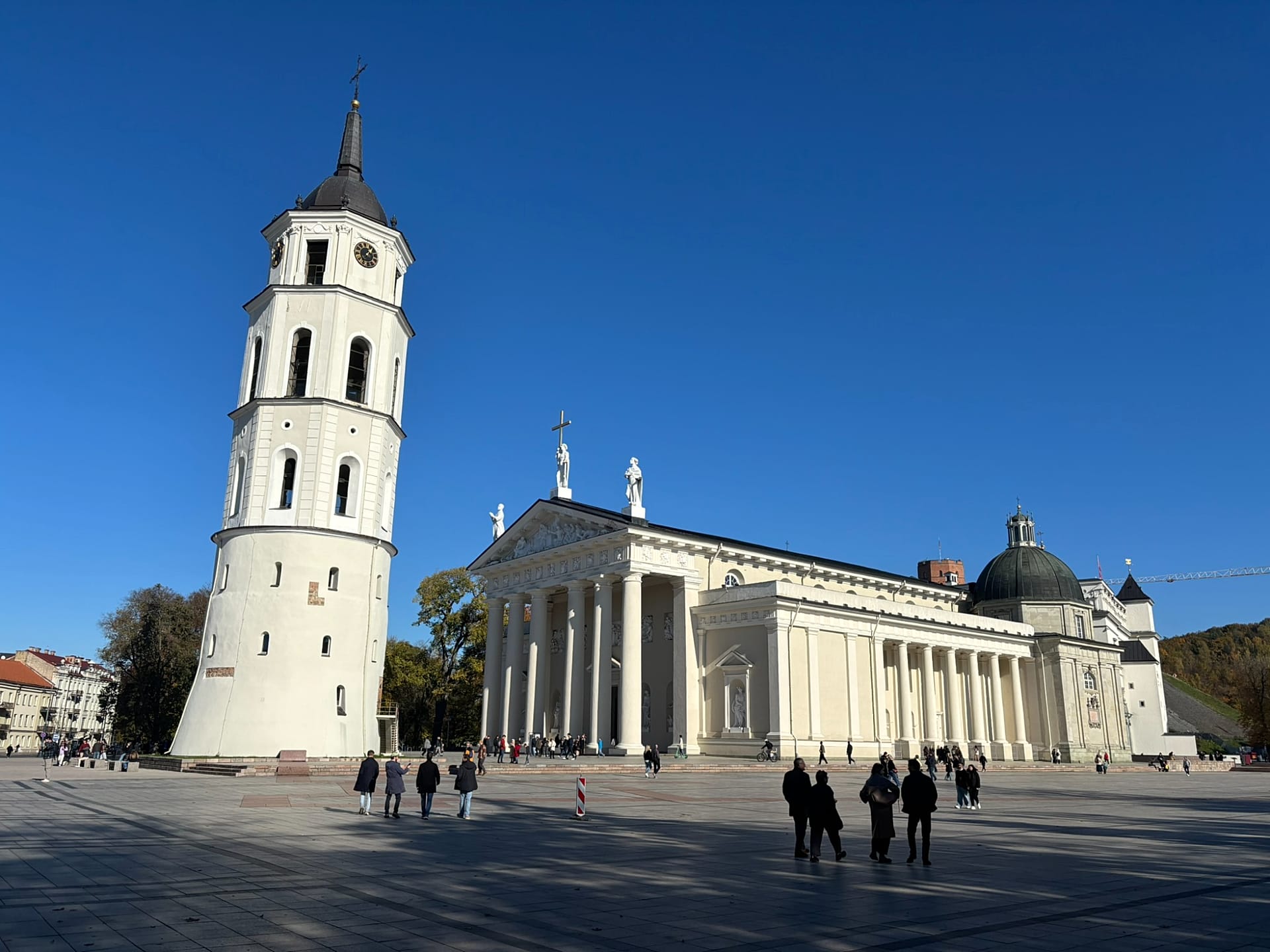
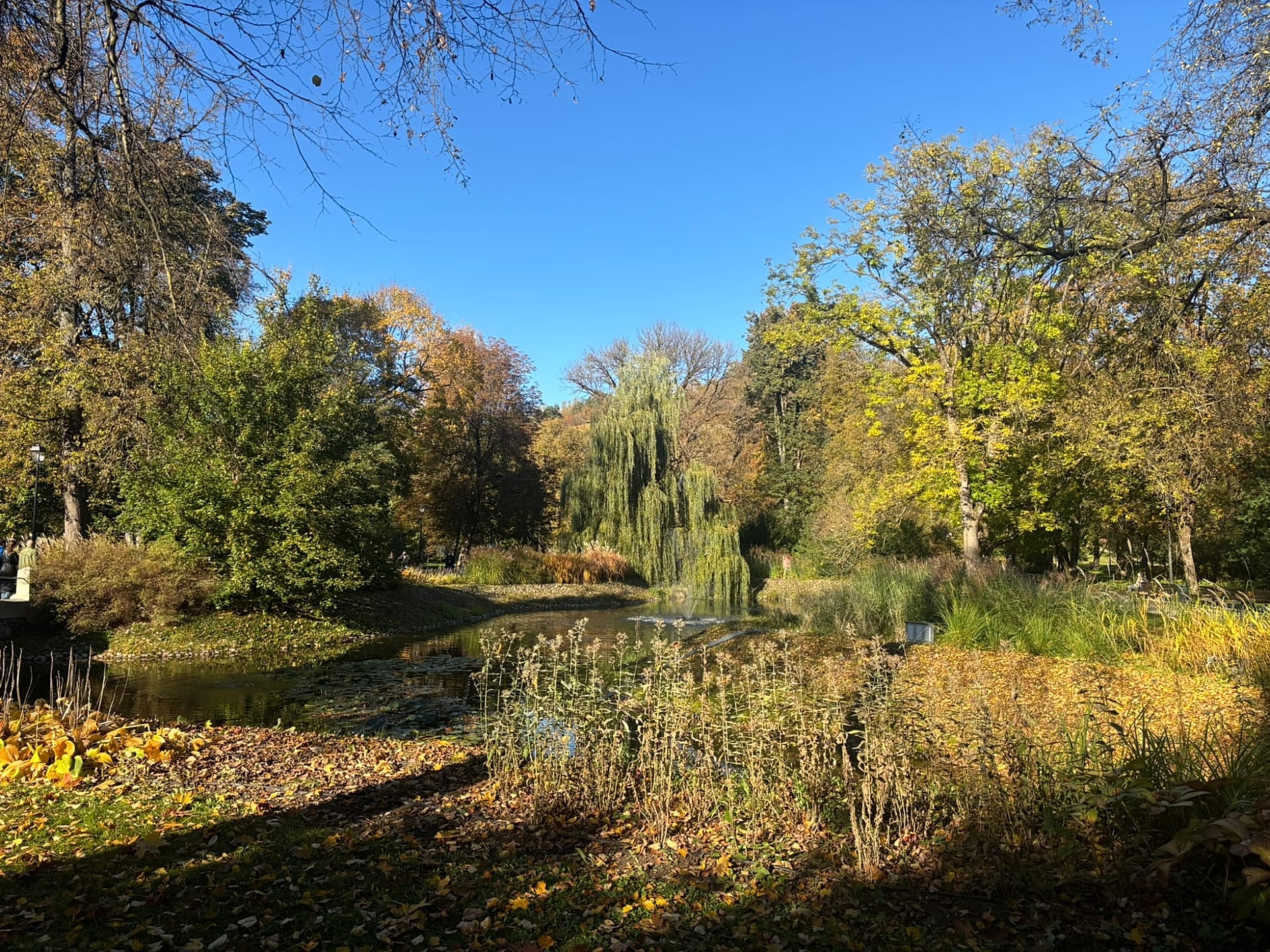
Next, the guide suggests Vilnius Cathedral with its bell tower: the current neoclassical look followed several rebuilds after fires, elements from the 13th century survive in the underground galleries, and inaugurations of the Grand Dukes of Lithuania were once held here. The cathedral houses the Chapel of St Casimir, the heavenly patron of Lithuania, recognised as a saint by the Pope in 1602. Nearby is the late 15th-century Gothic church of St Anne, which, according to legend, Napoleon allegedly wanted to carry off to Paris “in the palm of his hand”; the publication stresses that this is precisely a legend, not a confirmed fact. Behind the church and the Bernardine Monastery lies the Bernardine Garden, which monks in the 15th century turned from marshy land into a park with ponds and a botanical garden.
Užupis, Literatų Street and museums
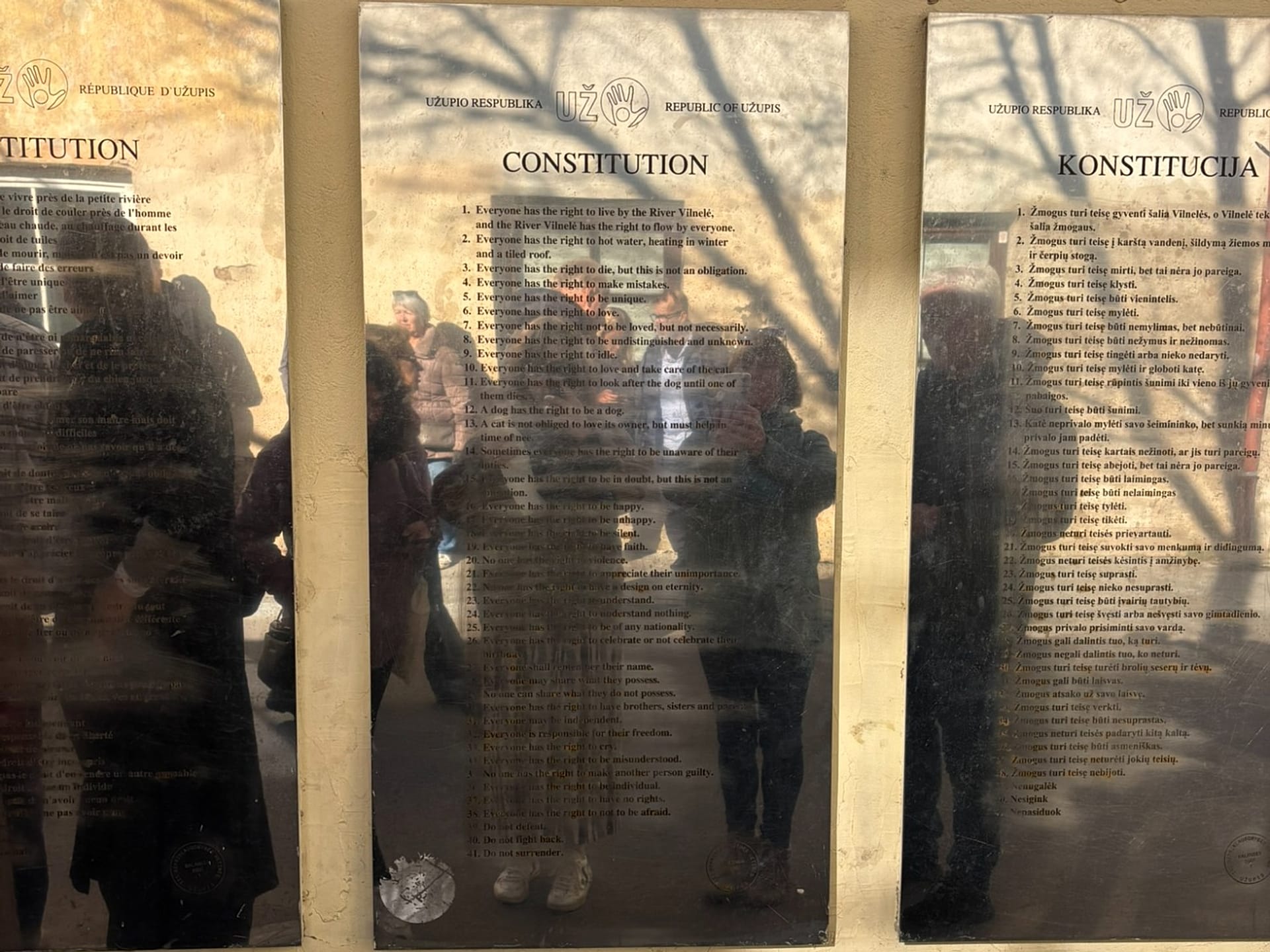
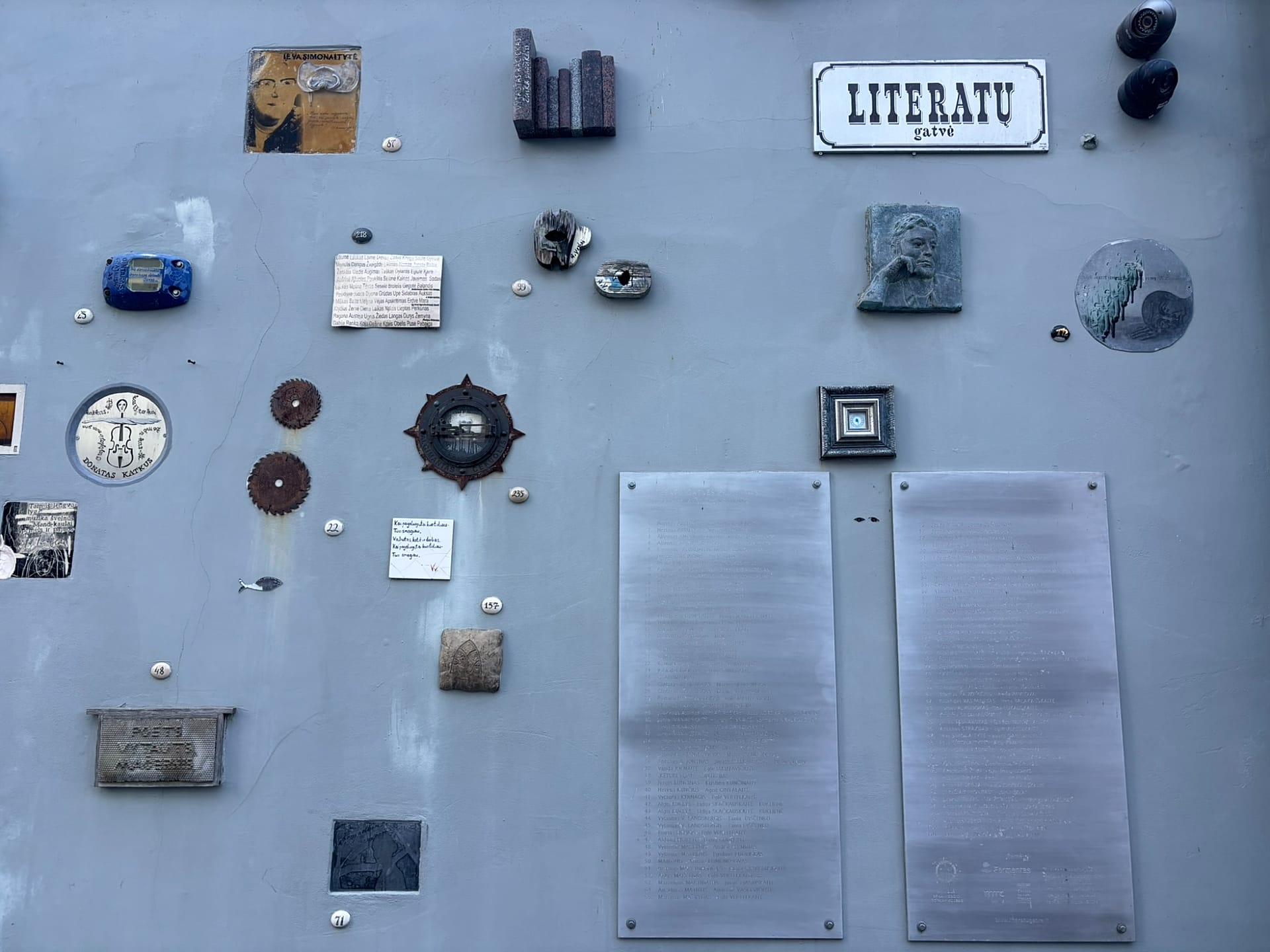
Across the Vilnia river lies the district of Užupis, which declared independence in 1997: it has its own flag, a national day on 1 April and embassies “among Canadian cats,” “in cheese,” “in pencils” and “in rock music.” Its 41-point constitution, including a clause on everyone’s right to love and care for a cat, can be read in almost two dozen languages. Literatų Street, where the poet Adomas Mickevičius once lived, is decorated with original plaques for more than 200 Lithuanian writers — a project commissioned by the Museum of Modern Art in 2008. Among museums, the author highlights the Museum of Occupations and Freedom Fights in the former KGB headquarters and the Castellan’s House, part of the National Museum of Lithuania.
Food and logistics
Among the gastronomic spots named are Hales, the city’s oldest market, with pastries, soups, tacos and Korean dishes; the Beigelistai café with Vilnius bagels (October’s bagel of the month featured fig jam, camembert, walnuts and cream cheese); and the modern Paupys market with potato pancakes and bao. For next time, the author sets aside Trakai Castle on an island: about 35 minutes by train, then 10 minutes by bus or 40 minutes on foot, though trains run infrequently. Vilnius Airport is less than six kilometres from the centre: the bus takes 15–20 minutes, the train less than ten, but runs less often. The largest airlines are airBaltic, Ryanair and Wizz Air, with direct flights from Amsterdam, Barcelona, London, Rome and Paris; an alternative is a bus from Riga taking about four hours.
Why this matters
The piece reflects growing interest in the Baltics as a “coolcations” destination, something Euronews itself has written about, and presents Vilnius as a compact city suited to a short trip: the main sights — from Gediminas’ Tower to Užupis — fit into a single day. In practical terms, it is a ready-made itinerary with concrete logistics: travel time from the airport, transport schedules to Trakai and overland options from Riga. For travellers from the region, this lowers the barrier to planning a weekend trip.