The key facts
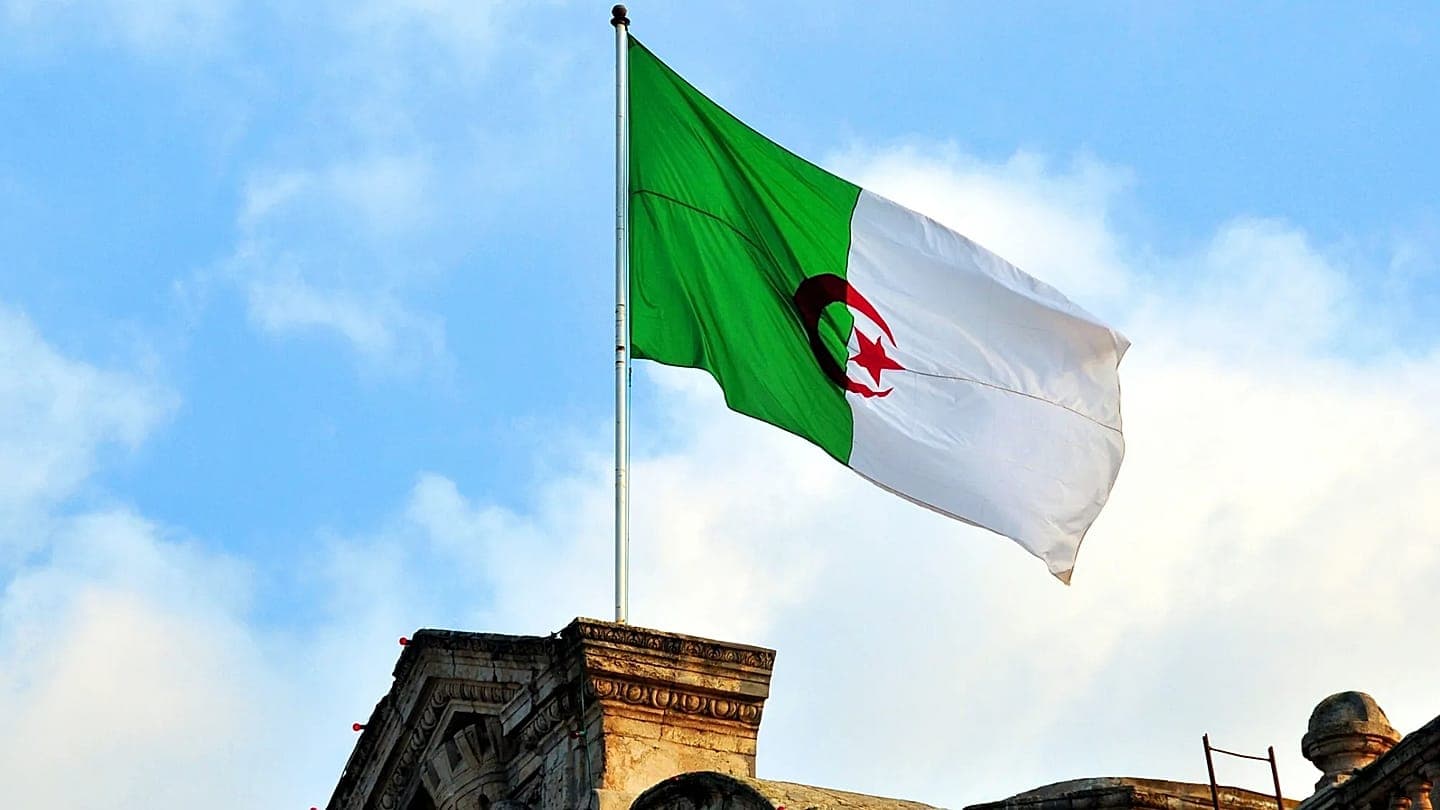
- Algeria's parliament approved sending troops to Niger — the first foreign deployment since the 1973 war
- The tasks are limited to protecting Algerian investments, primarily Sonatrach's oil projects
- The size of the contingent and the timing of the operation have not been announced
Parliamentary approval
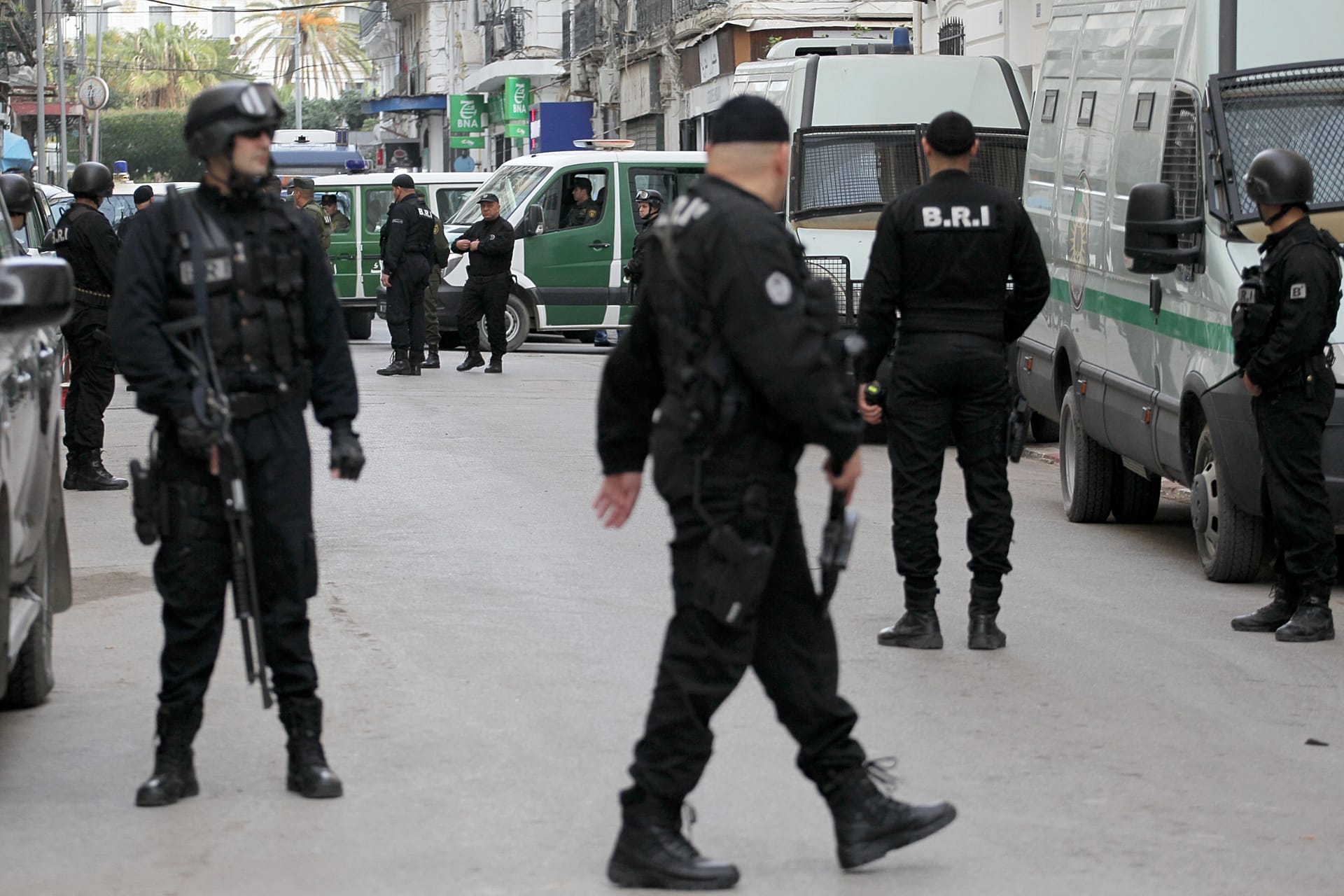
On Sunday, October 26, Algeria's parliament approved the deployment of troops to neighboring Niger at a closed extraordinary session. According to euronews, 148 of the 174 deputies present in the upper chamber voted in favor of the deployment; the lower chamber reported a vote by an 'absolute majority' without giving figures. Under Algeria's constitution (Article 91), sending troops abroad requires the approval of two-thirds of the deputies in each chamber. This is the first foreign deployment of the Algerian army since troops were sent to support Egypt in the 1973 Arab-Israeli war. The size of the contingent and the start date of the operation have not yet been announced; the authorities emphasize that the tasks will be limited and aimed exclusively at protecting Algerian investments — above all the oil projects of the state-owned company Sonatrach.
Context: from diplomatic conflict to alliance
Just a year ago, relations between the two countries were tense: Algeria shot down a drone that had entered its airspace from Mali, after which Niger, together with its allies in the junta bloc — Mali and Burkina Faso — recalled its ambassadors from Algiers. Since then, the neighbors, who share a 960-km desert border, have agreed to deepen cooperation in the fight against jihadist violence, cross-border crime and smuggling. The rapprochement intensified in August after a foiled coup attempt in Niger: Algeria handed Niamey four military helicopters and then sent four Su-30 fighter jets along with an aerial refueling aircraft. On October 3, Algerian President Abdelmadjid Tebboune, in a televised address, accused unnamed states of plotting against the neighbor and declared readiness to 'defend Niger at any cost.' A few days before the vote, on Wednesday, Niger's Defense Minister Salifou Mody visited Algeria, where he met with Tebboune and army chief Said Chengriha; according to Algerian reports, a military cooperation protocol was signed at that time, the details of which have not been fully disclosed.
Economic interests
The central motive behind the decision is economic interests, which Tebboune himself does not hide, linking the military steps to the agreements signed with Niger in the oil and mining sectors. Sonatrach invests in Niger through its international subsidiary SIPEX, which manages projects at the Kafra oil field located about 85 km from the Algerian border; on August 13, the company began drilling a new well. According to estimates cited by the Anadolu agency, the field's resources exceed 2.5 billion barrels of oil, making it one of Sonatrach's key foreign assets. Algeria's interests extend beyond oil: Niger is a strategic corridor for the trans-Saharan gas pipeline stretching more than 4,000 km, which is to deliver gas to Europe via Niger and Algeria. In June, Algeria began work on its section of the pipeline and commissioned a 40 MW power plant to supply Niamey and surrounding areas with electricity.
A shift in Algeria's policy course
Observers view the move not only as protection of oil infrastructure but also as a broader shift in Algeria's approach to regional crises: for decades the country relied on diplomacy and dialogue and was extremely cautious about military intervention beyond its borders. Jeff Porter, an analyst at North Africa Risk Consulting, noted that the current decision reflects a change of course: dialogue and international law, Algeria's traditional instruments of influence, have lost effectiveness amid global changes, pushing the country toward a direct military presence on the ground. Recall that since July 2023, Niger has been ruled by a military junta led by General Abdourahamane Tiani, who overthrew the elected president Mohamed Bazoum, who has remained in custody since then; the country continues to face instability and armed attacks.