The key facts
- Vucic admitted defeat in the early elections of October 25, which saw record turnout
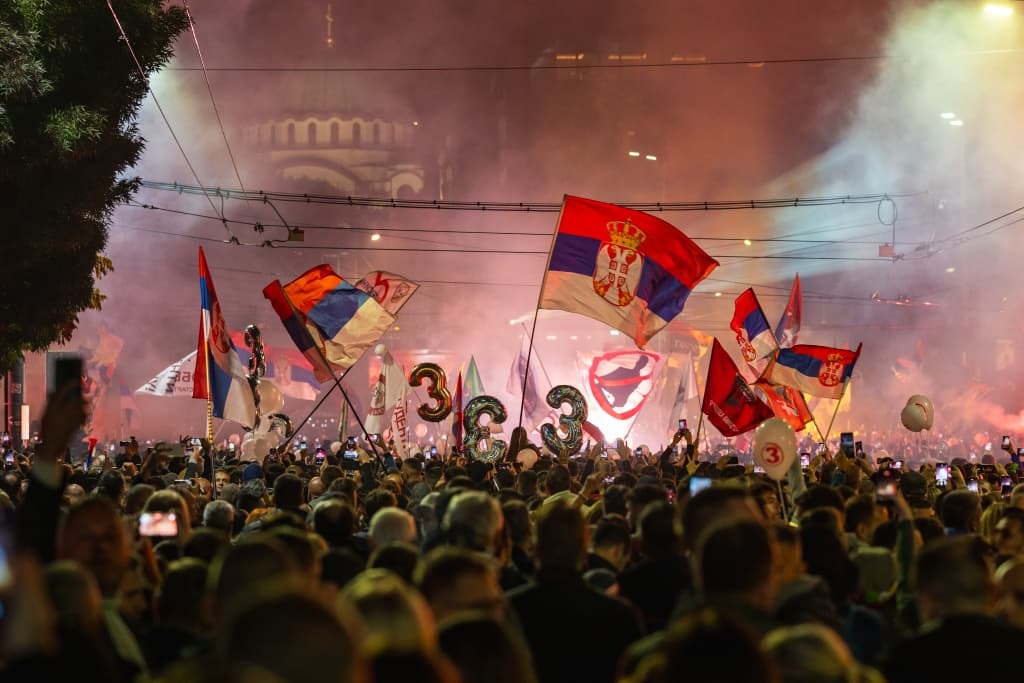
- Victory went to a new political force that grew out of a years-long student protest movement
- The elections were called in September under pressure from protests that had lasted almost two years
Vucic admits defeat
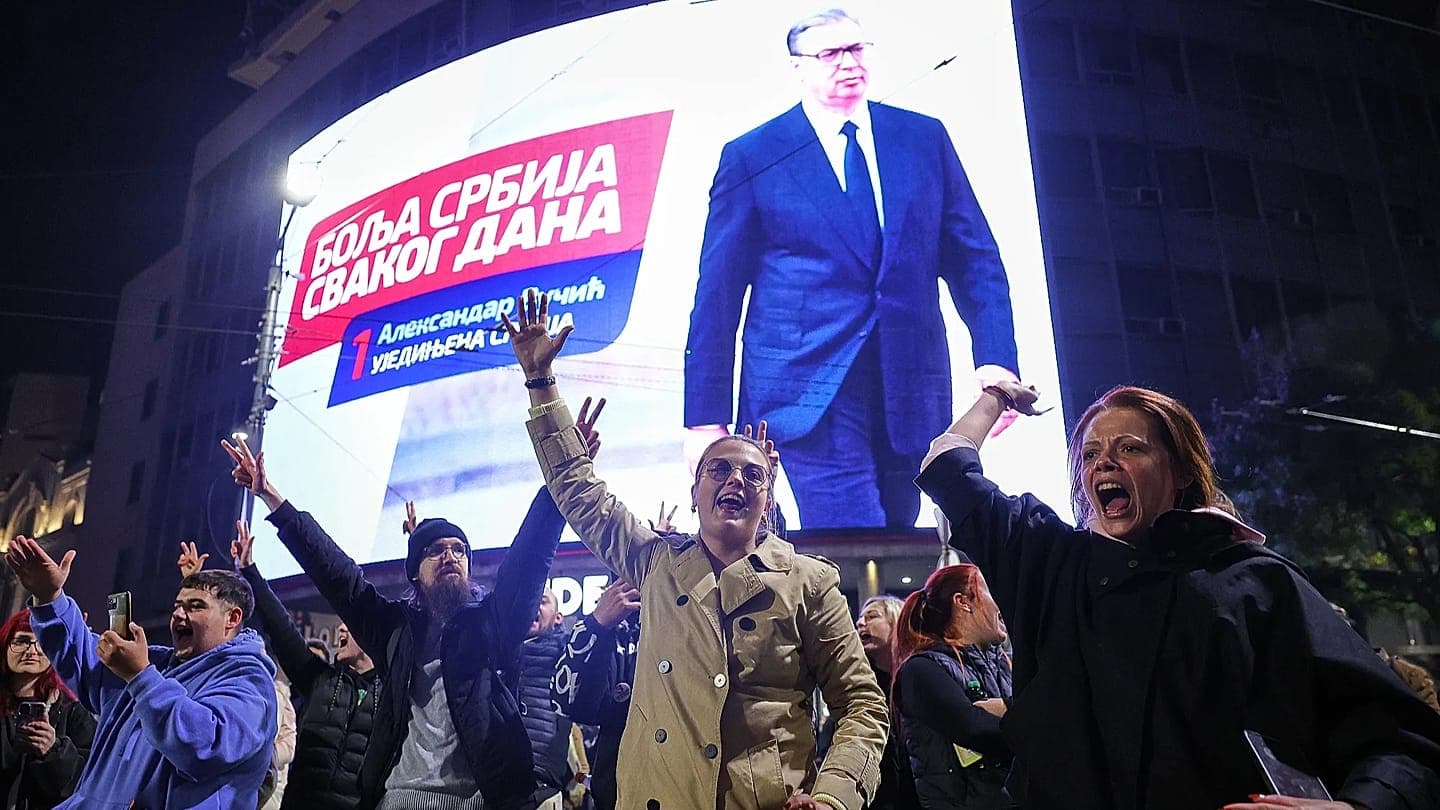
Aleksandar Vucic, who dominated Serbian politics for more than 14 years, admitted on Sunday that his party had lost the early parliamentary elections. According to him, based on a stratified sample, “it is clear that we have lost these elections” — he told supporters at the party headquarters in Belgrade, AFP reports. Voters turned out in record numbers, and victory went to a new political force that grew out of a years-long protest movement.
Path to power
Vucic, 56, rose in the 1990s as an ultranationalist ally of Slobodan Milosevic and in 1998 served as information minister in his cabinet. After Milosevic was ousted by protests in 2000, he became a prominent figure in the far-right Serbian Radical Party and openly backed Bosnian Serb leaders Radovan Karadzic and Ratko Mladic, who were later sentenced to life imprisonment for genocide and other crimes committed during the Bosnian war. In 2008, Vucic reinvented himself, becoming a co-founder of the conservative pro-European Serbian Progressive Party (SNS), which won the 2012 parliamentary elections and has dominated the country's politics ever since. He served as deputy prime minister, defense minister and prime minister, and became president in 2017.
Between Brussels and Moscow
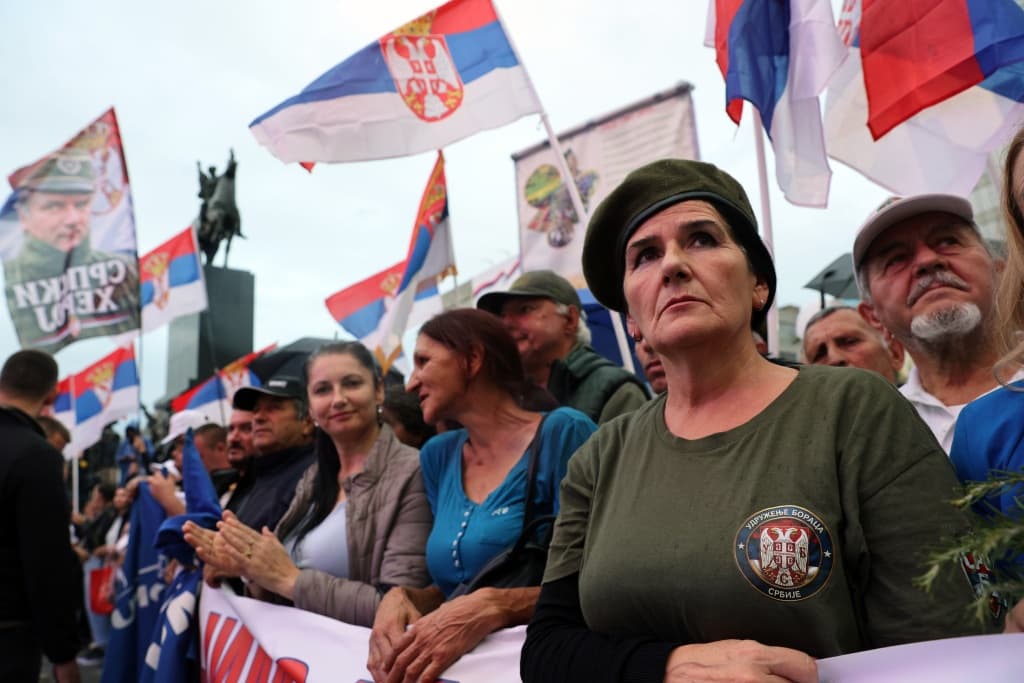
To his supporters, Vucic embodied stability, development and patriotism; he presented himself as a tireless leader attracting investment and creating jobs, and promised to turn Serbia into a “country of cranes.” At the same time, he balanced between the country's EU aspirations and close ties with Russia, spent billions of euros on defense and warned about the influence of neighboring NATO members. Opponents, according to AFP, saw him as an increasingly authoritarian figure at the head of a government accused of pervasive corruption. Vucic never condemned the Serbs convicted of war crimes in the 1990s, and last month, despite the state denying involvement in a large-scale memorial ceremony for Mladic in Belgrade, several of his ministers attended it, which drew sharp criticism from Brussels.
Protests and the canopy collapse
The turning point was the collapse of a concrete canopy at a recently renovated railway station in 2024, which killed 16 people: corruption allegations surrounding many of Vucic's flagship projects triggered an outburst of anger. Student demonstrations demanding transparent investigations brought hundreds of thousands of people into the streets — the largest protests since the Milosevic era. The authorities called the students who organized university blockades instruments of foreign powers. In September, almost two years after the protests began, Vucic called early elections for October, citing “serious turbulence on the domestic political scene” — thereby fulfilling a key demand of the students. At a major campaign rally in Novi Sad, the city where the canopy collapsed, he declared: “All of this will end on October 25”, referring to the protests.
What it means
The defeat of the party that had ruled since 2012 means a change of political force at the helm of Serbia under direct pressure from a civic movement — for the first time since Milosevic, protests of such a scale have led to early elections and the departure of a dominant leader. For Serbian voters, this is a practical transition to forming a new government following a vote with record turnout, and for the student movement, the fulfillment of its key demand for early elections. The composition of the new government and its policies remain unknown, as AFP does not report details about the winning force and its program.