The key facts
- The early elections are the culmination of nearly two years of student protests after the Novi Sad tragedy, in which 16 people died
- By 15:00 GMT turnout had reached about 56%, approaching the 2023 election figure (about 59%)
- CRTA reports numerous irregularities and increasingly frequent incidents near polling stations; police have not confirmed serious violence
Early elections amid a two-year protest movement
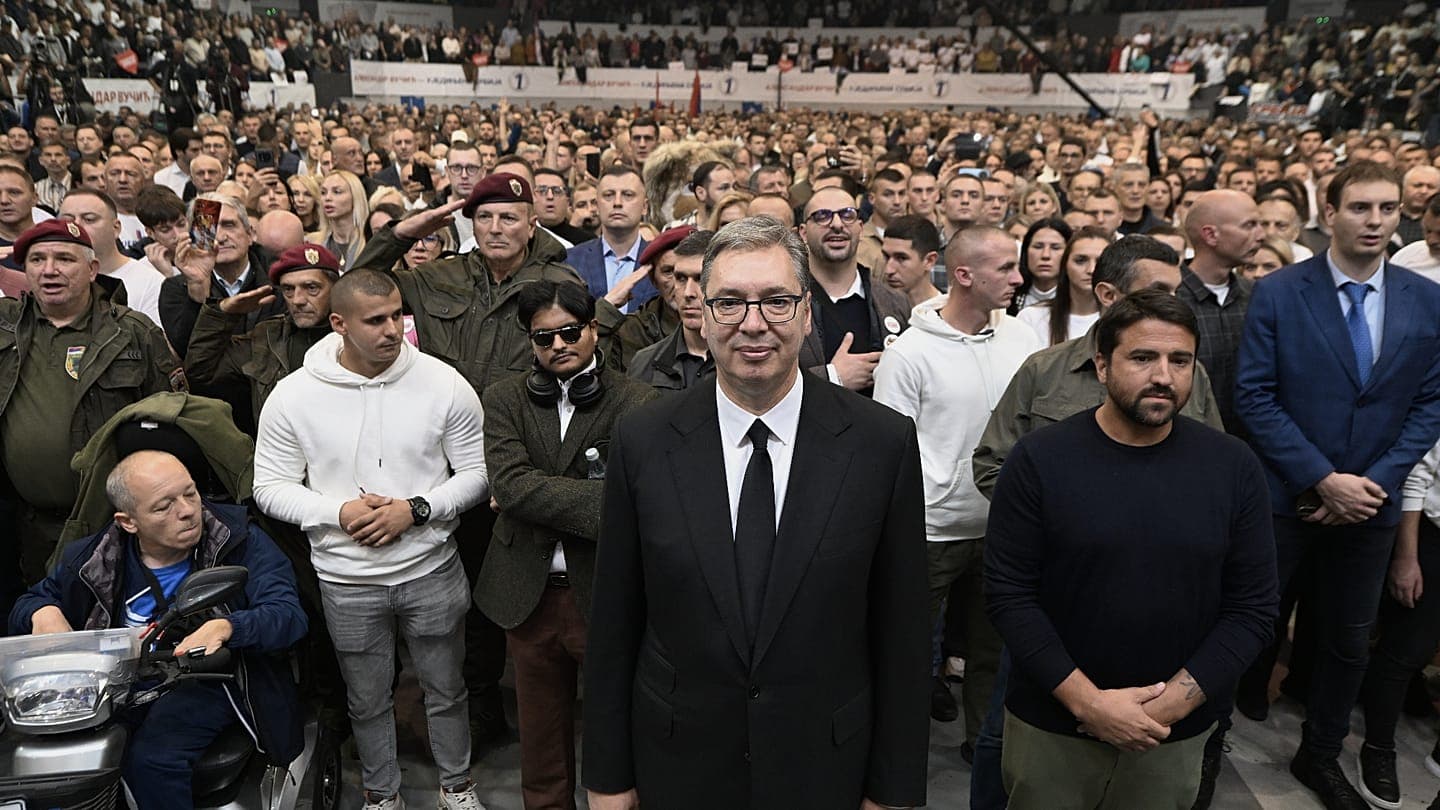
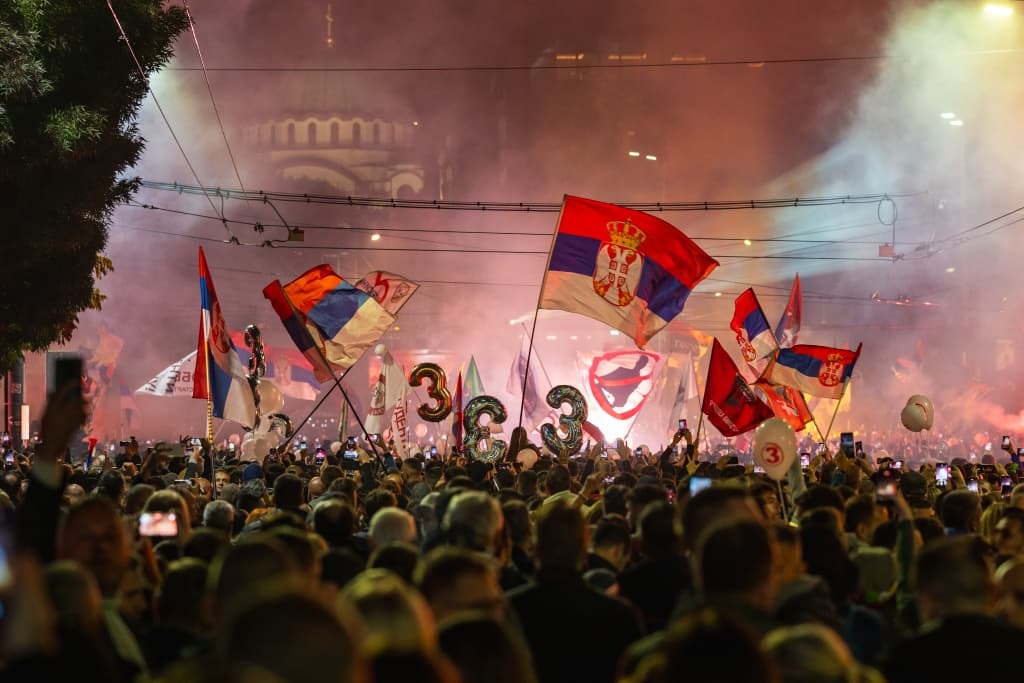
Serbia is holding early parliamentary elections on Sunday, October 25, 2026, which may turn out to be among the highest-turnout votes in recent years. The election is the culmination of nearly two years of student protests that began after the collapse of a canopy at the Novi Sad railway station in 2024, which killed 16 people. The disaster was widely linked to corruption and triggered the largest protests since the fall of Slobodan Milosevic's regime in 2000, AFP reports.
The 'Student List' versus the SNS
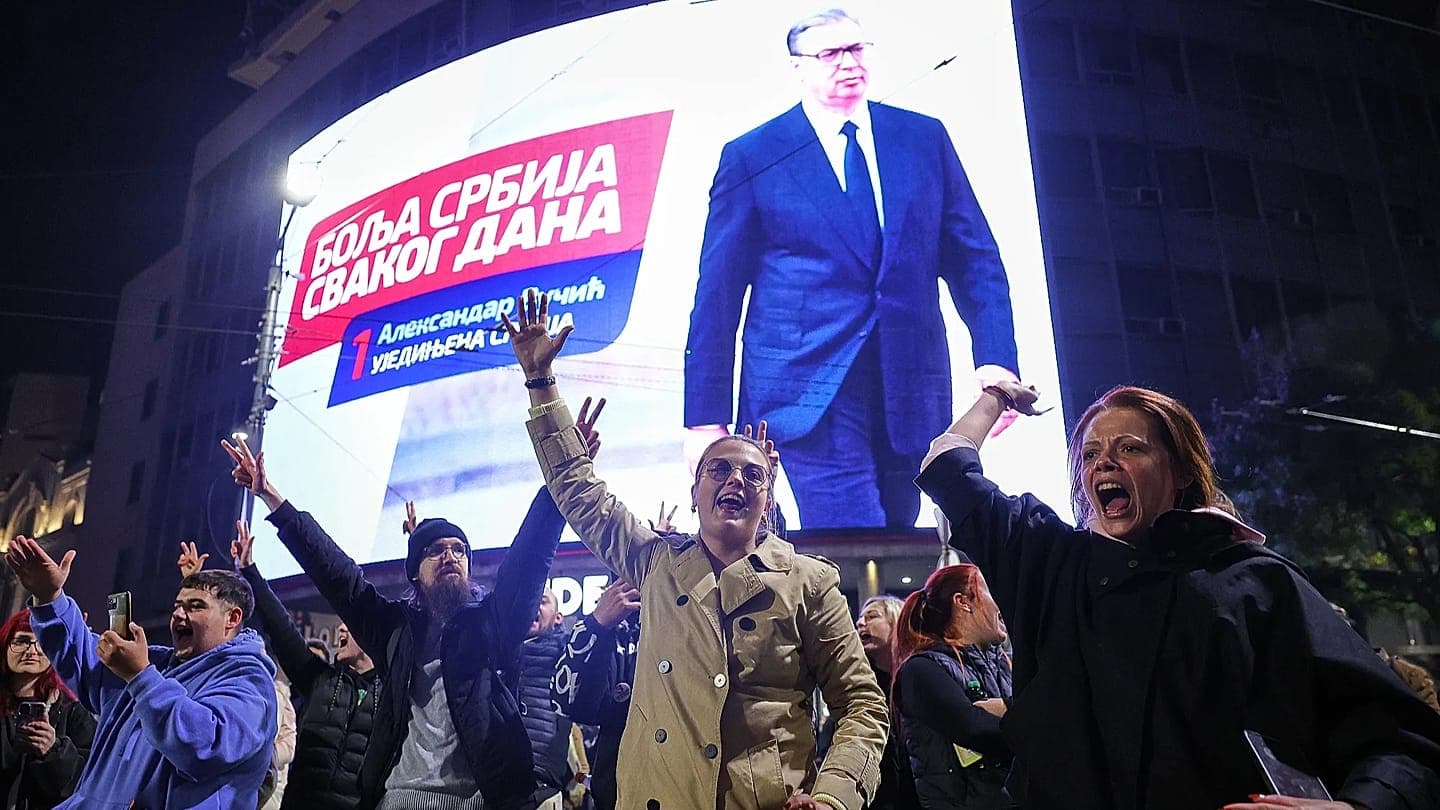
The main challenge to the ruling right-wing populist Serbian Progressive Party (SNS) is the 'Student List' — a slate of candidates backed largely by a leaderless movement. Most of the list's 250 candidates are professionals from academia and the arts with little political experience; the movement's platform is focused on fighting corruption and grew from a demand for a transparent investigation into the Novi Sad tragedy into a demand for early elections. Eighteen electoral lists are competing for seats in the 250-seat parliament, but according to polls, voters' choice largely comes down to the SNS and the student list. Several leading opposition parties declined to take part, urging their supporters to back the students.
Turnout and reports of irregularities
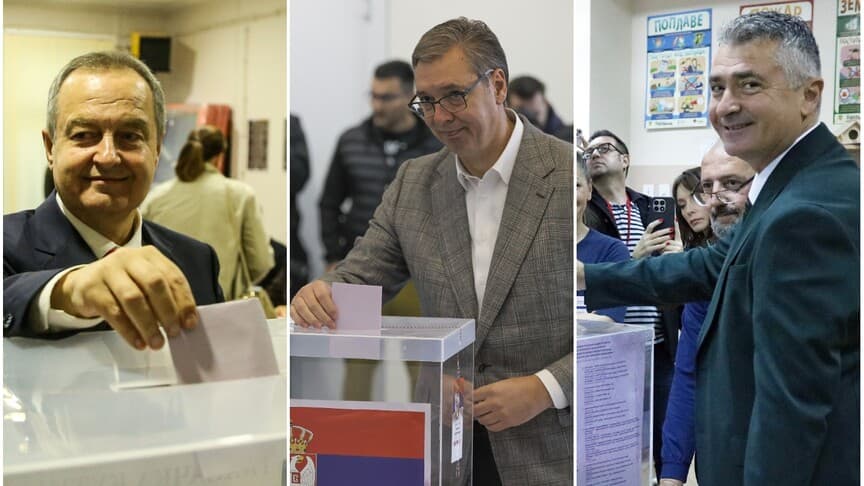
Experts predicted that an unusually high turnout would benefit the student movement. According to the monitoring organization CRTA, by 15:00 GMT, four hours before polls closed, turnout had reached about 56%, compared with almost 59% at the last parliamentary elections. At many polling stations, queues formed before they even opened. The head of CRTA's observation mission, Rasa Nedeljkov, said that in addition to the high turnout, a large number of irregularities are being recorded, and incidents involving violence near polling stations are becoming more frequent. Individual incidents were reported, but police have not confirmed any serious election-related violence.
Diaspora and campaign
Long queues of cars formed at the borders with Croatia, Hungary and Kosovo as the diaspora returned to vote; videos of Serbs voting abroad, from Los Angeles to Toronto, were posted on social media. For nearly two years, students have held rallies and marches across the country; the final pre-election rally in Belgrade on Thursday drew, according to independent monitoring, about 150,000 people. List candidate and EuroLeague Basketball president Dejan Bodiroga told journalists that 'Serbia is today fighting for freedom and for the return of a country that has been captured.'
Vucic's position and the context of the vote
Aleksandar Vucic, who cut short his second presidential term in order to run for prime minister, campaigned across the country and repeatedly accused the student movement of preparing a foreign-funded coup. 'Serbia is voting today to decide where it will go — toward the future or toward the past,' he told journalists in Belgrade. Under pressure, the 56-year-old leader called the elections last month, citing 'major upheavals on the domestic political scene'. Days before the vote, Serbian civil society organizations warned that conditions for 'free and fair elections' were absent. The vote is being monitored by domestic and international observers, and the students have mobilized a large number of volunteers. Polls close at 20:00 local time (19:00 GMT).
Why it matters
The outcome of the vote will determine whether the SNS retains its years-long dominance in Serbian politics or gives way to a movement with no political experience whose platform is built on fighting corruption. The results will affect both Serbian citizens, including the returning diaspora, and the country's foreign partners, given Vucic's balancing act between the EU and Russia. The election is already accompanied by heightened scrutiny: students have mobilized volunteers, and CRTA is recording irregularities, making the vote count and its verification the key next step.