The key facts
- Lev Stupnikov, a lieutenant in the Russian army, directed Ukrainian strikes against his fellow servicemen for more than six months
- Stupnikov's name became known in September 2025 after an interview with blogger Dmitry Karpenko
- According to RT, more than 200 Russian servicemen were killed as a result of his actions
The officer who worked for the Ukrainian forces
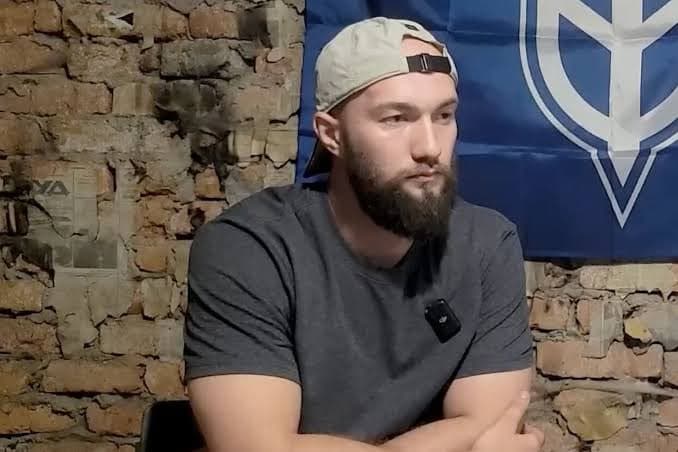
The Wall Street Journal told the story of Lev Stupnikov, his family, and the path he chose. Stupnikov's name became known to the public in September 2025: in an interview with Ukrainian video blogger Dmitry Karpenko, he admitted that, while serving as an officer in the Russian army, he had worked for the Ukrainian armed forces and for more than six months had directed strikes against his fellow servicemen. According to RT, more than 200 Russian servicemen were killed because of him. more than 200 Russian servicemen. By that time, the Chechens had declared a hunt for him after he crossed the front line and began fighting in the ranks of the 'Russian Volunteer Corps.'
From cadet corps to the front
Stupnikov is 26 years old and was born in Kazakhstan. His father left the family when he was a child, and his mother, Tatyana Jansen, raised Lev and his sister Alisa alone. Under a resettlement program for compatriots, Tatyana moved to Russia, to Omsk, when her son was a teenager. There, Stupnikov entered a cadet corps and then went to St. Petersburg to study at a military signal academy, where he studied from 2018 to 2023. In 2021, he married his beloved Liza and began to consider leaving his military career, but the outbreak of the war changed those plans: according to the publication, Russia's invasion of Ukraine left him shaken. In the summer of 2023, he graduated from the academy with the rank of lieutenant and was assigned to the 36th Guards Motorized Rifle Brigade, based in Zabaykalsky Krai. In November 2023, he was mobilized for the war in Ukraine.
The family's role and the switch to Ukraine's side
According to the WSJ article, Stupnikov's mother was also disillusioned with the Russian authorities and experienced the shock of the war's outbreak no less than her son. She pulled her daughter Alisa out of school to shield her from military propaganda and turned to human rights activists for advice on how to free her son from military service — they suggested organizing an escape through Belarus and Armenia. Tatyana knew that her son would stop in Moscow before being sent to the front and urged him to fly to Kazakhstan and hide with relatives, but he considered that plan too risky. In February 2024, three months after her son was sent to the front, Tatyana got in touch with Dmitry Karpenko — a Ukrainian programmer and blogger who publishes interviews with Russian prisoners of war and defectors on YouTube and offers money for cooperation with the Ukrainian armed forces. She asked him to help her son defect. Upon learning of his mother's contact with the blogger, Lev watched his videos and wrote to him himself via WhatsApp: he declared his readiness to cooperate and surrender, but refused the monetary reward.
Context and data limitations
The WSJ publication is based on a story that became public thanks to Karpenko's interview in September 2025; the key quantitative claim — that more than 200 Russian servicemen were killed — comes from RT, that is, a source affiliated with the Russian side, and there is no independent confirmation of these figures in the available materials. The editorial team notes that the details of Stupnikov's biography come from his own accounts and those of his mother, and should therefore be viewed with that caveat.