The key facts
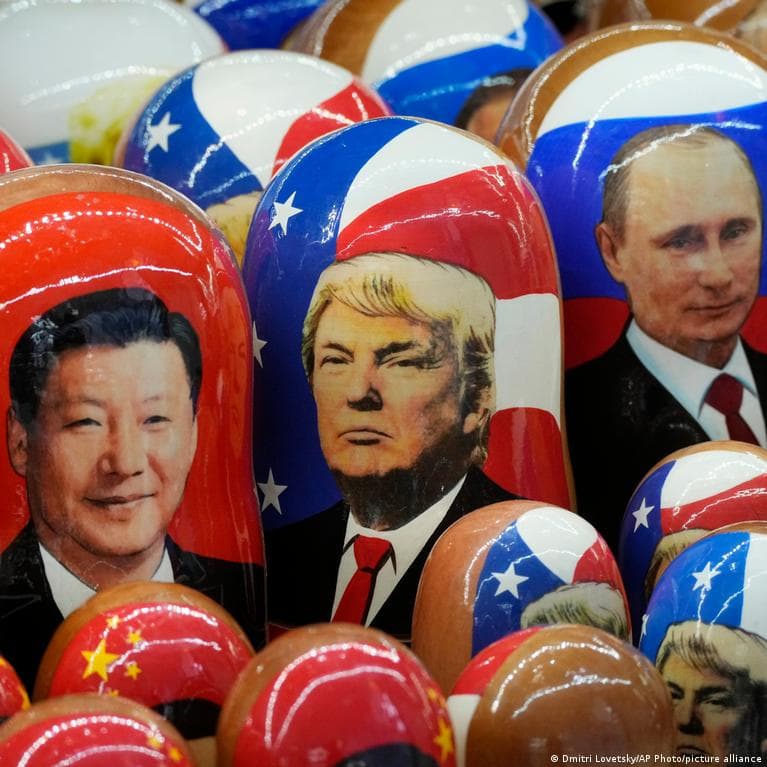
- The Kremlin is preparing a trilateral meeting of Putin, Trump and Xi Jinping on the sidelines of next month's APEC summit
- Zelensky warned that a “redistribution of influence” modeled on the 1945 Yalta Conference is unacceptable
- In Oleshky, a local ceasefire is holding for the first time in more than 4.5 years of war to enable evacuation and humanitarian aid
Kyiv's concerns ahead of the trilateral summit
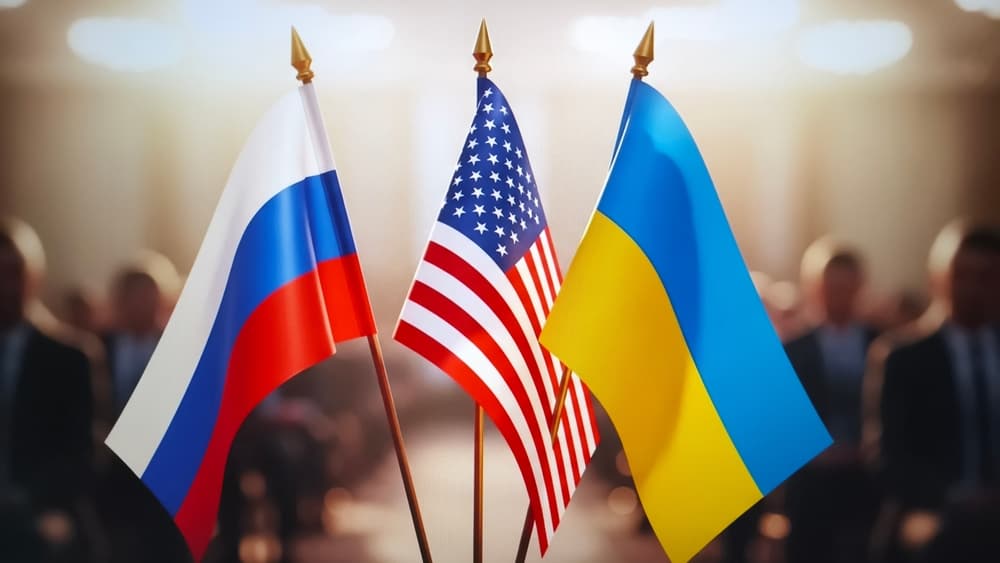
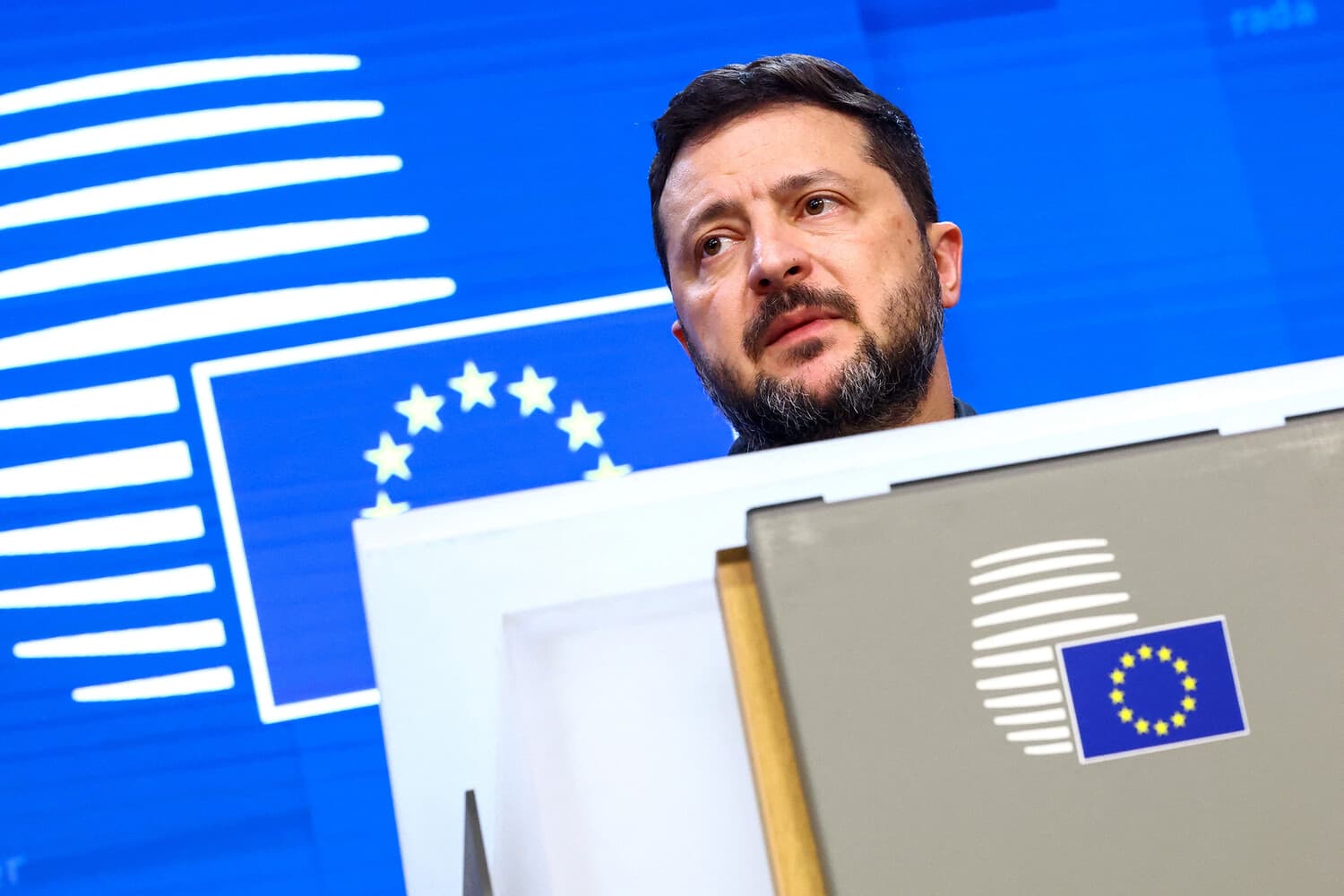
Ukrainian President Volodymyr Zelensky said that the planned meeting of the leaders of Russia, the US and China next month could give its participants an opportunity to redraw global spheres of influence. “We really do not want this to turn into a ‘Yalta 2, 3, 4’ with a redistribution of influence,” he told journalists on Wednesday, comparing the possible meeting with the 1945 Yalta Conference in Crimea, where the Allies redrew the map of the world after World War II. According to Deutsche Welle, the Kremlin previously announced preparations for a meeting between Vladimir Putin, Donald Trump and Xi Jinping on the sidelines of the APEC summit. The Wall Street Journal was the first to report on the trilateral summit: according to its information, the initiative came from Putin, and at that point Trump had not agreed to take part but was open to the proposal, as he wants to end the war in Ukraine. Zelensky stressed that “what China, Russia and the US may discuss has not yet been clearly defined,” and warned of the risk of handing Moscow “another major diplomatic advantage.” Russia has for years been seeking a new agreement from Washington on the architecture of European security, and Putin continues to present the invasion of Ukraine as a response to NATO enlargement — a position rejected in Kyiv and Europe.
Talks in Abu Dhabi and aid from the Netherlands and Britain
Zelensky's warning came ahead of talks planned for next month between Ukrainian, Russian and American envoys in the UAE. The exact date of the meeting in Abu Dhabi has not been named, but Kyiv is interested in holding it before a possible trilateral summit. It has also been confirmed that Russian Foreign Minister Sergey Lavrov will travel to the US on October 30–31 for the G20 foreign ministers' meeting in Atlanta. Zelensky's comments were published during his visit to the Netherlands, where he met with Prime Minister Rob Jetten and King Willem-Alexander in The Hague. The Dutch government announced the allocation of €1.2 billion in non-military aid to Ukraine for the coming years. In addition, Zelensky held a phone call with British Prime Minister Andy Burnham, thanking him for the £10 billion in support announced the same day. At the same time, Zelensky named American Patriot missiles as a key defense resource and called on Washington to increase supplies: according to him, Ukraine receives 12 missiles a month, while it is being hit by “150 ballistic missiles a month.”
The ceasefire in Oleshky and ongoing strikes
On the front, according to officials, the local six-day ceasefire in the Russian-occupied city of Oleshky in the south of Kherson region held for the first day. The regime, which began on Tuesday and runs until Sunday, is meant to allow a humanitarian operation for the roughly 2,000 remaining residents — to deliver food and medicine and evacuate those who wish to leave. The White House previously said that US First Lady Melania Trump helped organize the mission. If the ceasefire holds, it will be the first significant observance of such a regime by both sides in more than 4.5 years of fighting; Ukrainian negotiator David Arakhamia called it “the biggest de-escalation since 2022.” Otherwise, the war continued: a Russian drone strike on Kharkiv wounded five people, including a four-year-old child; Russian air defenses, according to the Russian Defense Ministry, shot down 531 Ukrainian drones, and one person was killed in Belgorod region. Three sea drones attacked a container ship off the coast of Bulgaria in the Black Sea — the incident coincided with trilateral talks between the defense ministers of Bulgaria, Romania and Turkey in Sofia on Black Sea security. A series of attacks off the coasts of the NATO members Romania and Bulgaria occurred this month; Russia has not claimed responsibility, but suspicions are growing. “The logic points in that direction,” Bulgarian Prime Minister Rumen Radev told parliament earlier this month. “The problem is that we cannot prove it.”