The key facts
- Character.ai filed for bankruptcy five years after launch; Disney offered $20 million for a license to part of its intellectual property
- Character.ai filed for bankruptcy five years after launch; Disney offered $20 million to license part of its intellectual property
- According to S&P Global Market Intelligence, about 42% of AI initiatives are abandoned by corporations
- Shut-down projects include Relay, Notion Mail, Huxe, Yupp, Figgs AI, Sora, and the Humane AI Pin
- Among the shut-down projects are Relay, Notion Mail, Huxe, Yupp, Figgs AI, Sora, and the Humane AI Pin
The AI graveyard keeps growing
On October 24, 2026, TechCrunch published an updated list of the 'AI graveyard' — a catalog of AI products and startups that have shut down, pivoted, or notably failed to live up to expectations. The outlet stresses that this is not a 'scoreboard of failures' but an attempt to capture lessons for the industry. According to S&P Global Market Intelligence, cited by TechCrunch, about 42% of AI initiatives are ultimately abandoned by the companies developing them — due to lack of funding, technical difficulties, competition, scaling problems, or weak demand.
Startups: from Character.ai to Yupp
The most notable recent event was the bankruptcy of the chatbot platform Character.ai — just five years after its launch. The company was founded in 2021 by former Google researchers Noam Shazeer and Daniel De Freitas, raised $150 million in 2023 at a $1 billion valuation, and the following year Google reportedly paid $2.7 billion to license the technology and bring the founders back. This was followed by lawsuits from families claiming the chatbots contributed to teen suicides and self-harm, and a warning letter from Disney over unauthorized use of its characters. Late last year, the platform shut down open chats for users under 18, and in early 2026 it agreed, together with Google, to settle a number of lawsuits. In early October, the company filed for bankruptcy, citing legal, regulatory, and operational difficulties. According to TechCrunch, Disney became the stalking-horse bidder, offering $20 million for a license to part of the intellectual property; the app continues to operate, with a sale expected by late November to early December.
Other shut-down startups
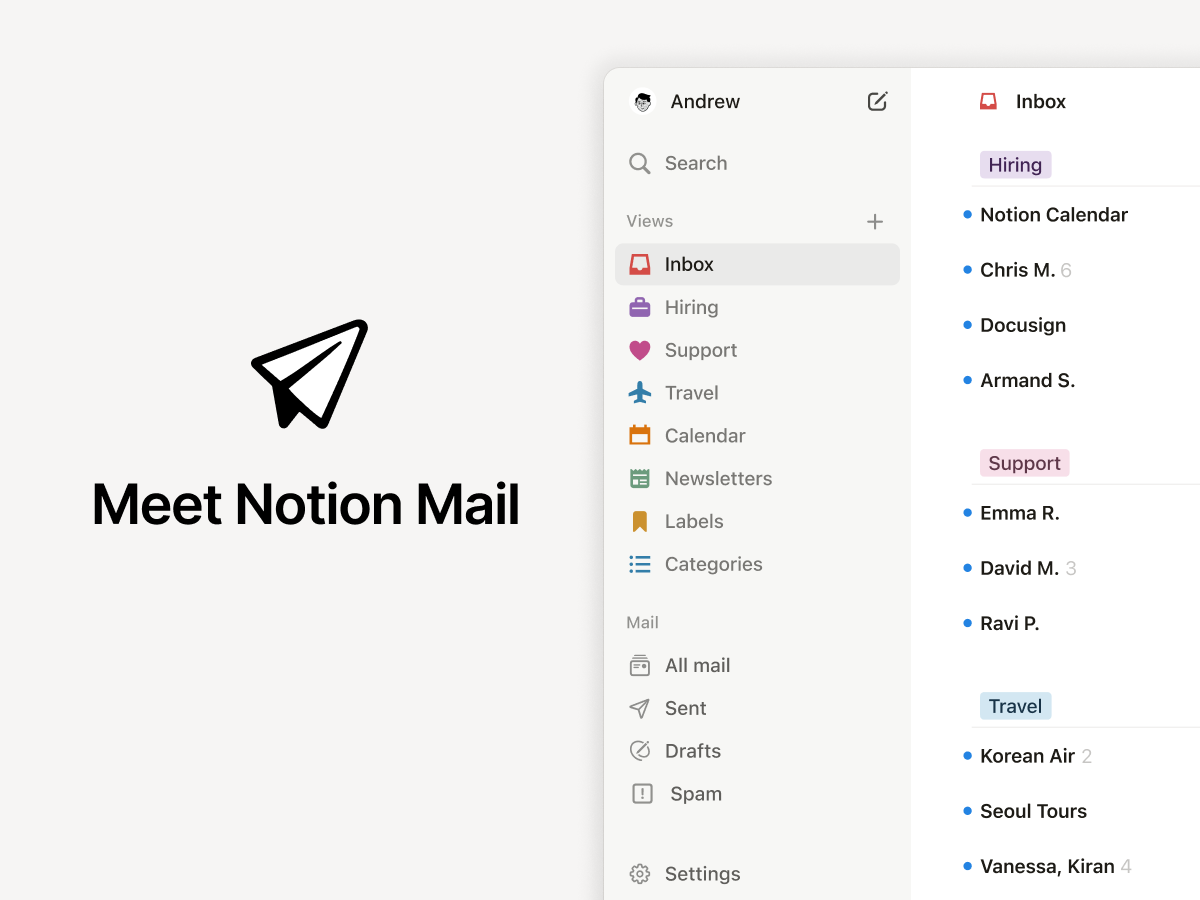
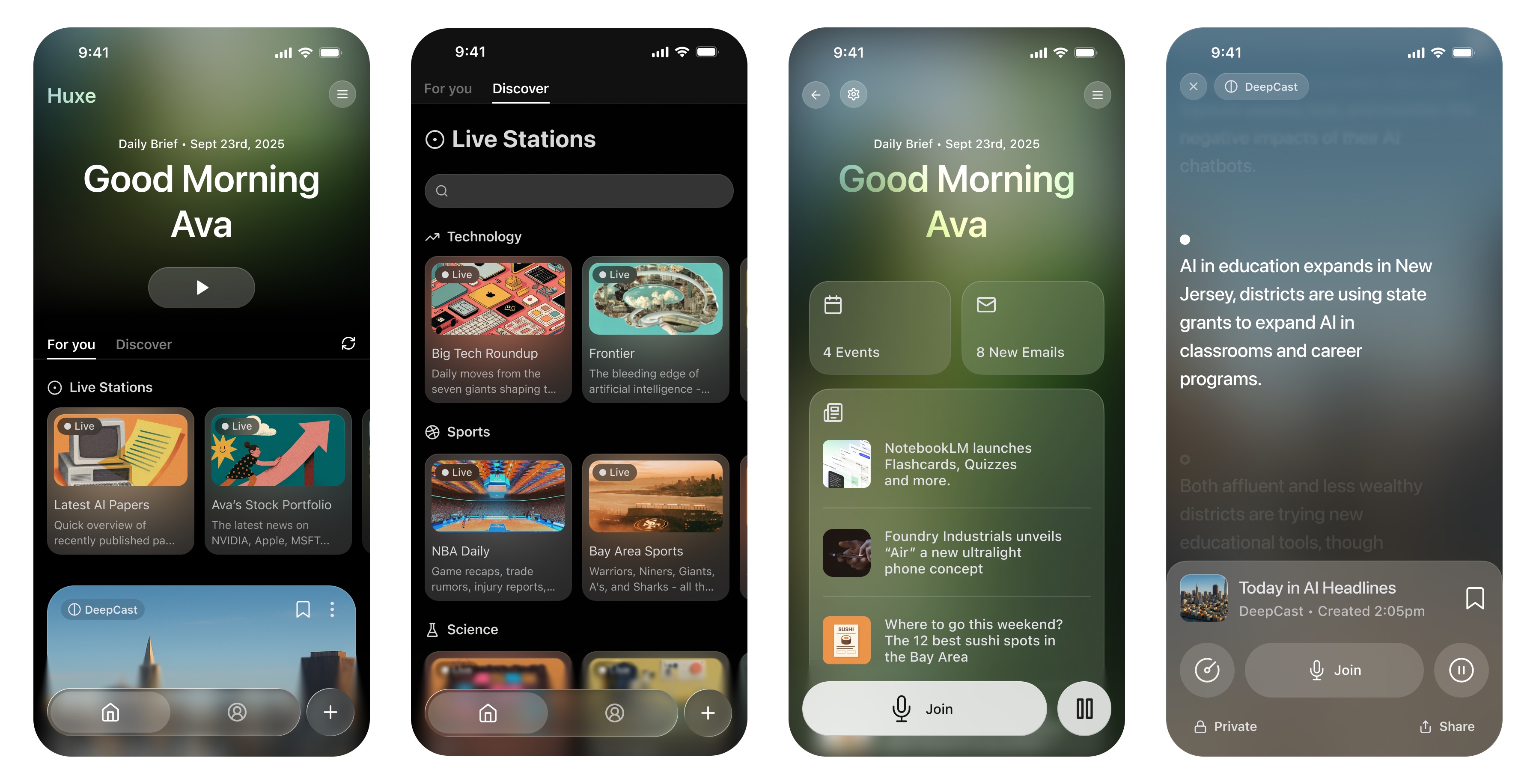
Relay — an AI-agent-based workflow automation tool, an alternative to Zapier — ceased operations entirely in August: as OpenAI, Google, and other major platforms built similar automation into their own products, the five-year-old Relay found it hard to remain a standalone product. Notion Mail, launched in April 2025 as an AI email client, will close on September 22 — the company noted that users prefer separate AI agents for handling email. Huxe, an audio app from former NotebookLM developers, shut down in May 2026, in part because major platforms like Spotify offer similar features to a large audience. Yupp — a free platform for comparing answers from hundreds of AI models with cryptocurrency rewards, which at its peak offered testing of more than 800 models — closed in March 2026: according to its founders, the product never achieved a strong enough product-market fit. Figgs AI, a platform for creating AI characters that operated from 2023 to 2024 and reportedly attracted over a million users, was shut down because its developers could not afford to keep the service free.
Missteps by the major players
Market leaders are not immune to missteps either. On July 9, OpenAI updated the ChatGPT app, merging the 'Chat', 'Codex', and 'Work' modes in an attempt to turn it into a 'superapp', and renamed the familiar version 'ChatGPT Classic'. The redesign drew user criticism, with people finding the interface confusing and cluttered, and OpenAI soon rolled back the changes. Meanwhile, the strategy of absorbing standalone ChatGPT apps worked better: the ChatGPT Atlas AI browser lasted less than a year and was shut down on August 9, with its useful features moved into ChatGPT; the Operator agent met the same fate, and image generation is increasingly being built into ChatGPT, reducing DALL-E's role as a standalone service. The video platform Sora, suffering from high operating costs and user retention problems, shut down in March 2026.
Apple and Microsoft: delays and privacy disputes
Apple introduced Apple Intelligence in 2024, promising a 'context-aware' Siri, but repeatedly delayed the release, citing engineering problems and bugs. The delay ultimately became one of the factors settlement of a $250 million lawsuit over the marketing of the iPhone 16's AI features. The new AI-powered Siri appeared in the iOS 27 beta in July, and began rolling out to English-speaking users this month; support for other languages is expected later. In 2024, Microsoft announced the Recall feature for Windows — an AI 'photographic memory' that periodically takes screenshots of the user's activity for later search. The announcement drew immediate criticism over privacy and security: critics pointed out that the feature could create a searchable archive of passwords, personal messages, and financial data. Microsoft delayed the launch by nearly a year, but even after a redesign the disputes did not subside: a cybersecurity researcher recently created a tool that extracts and displays data captured by Recall, renewing the question of whether the original problem has been solved.
AI hardware and takeaways
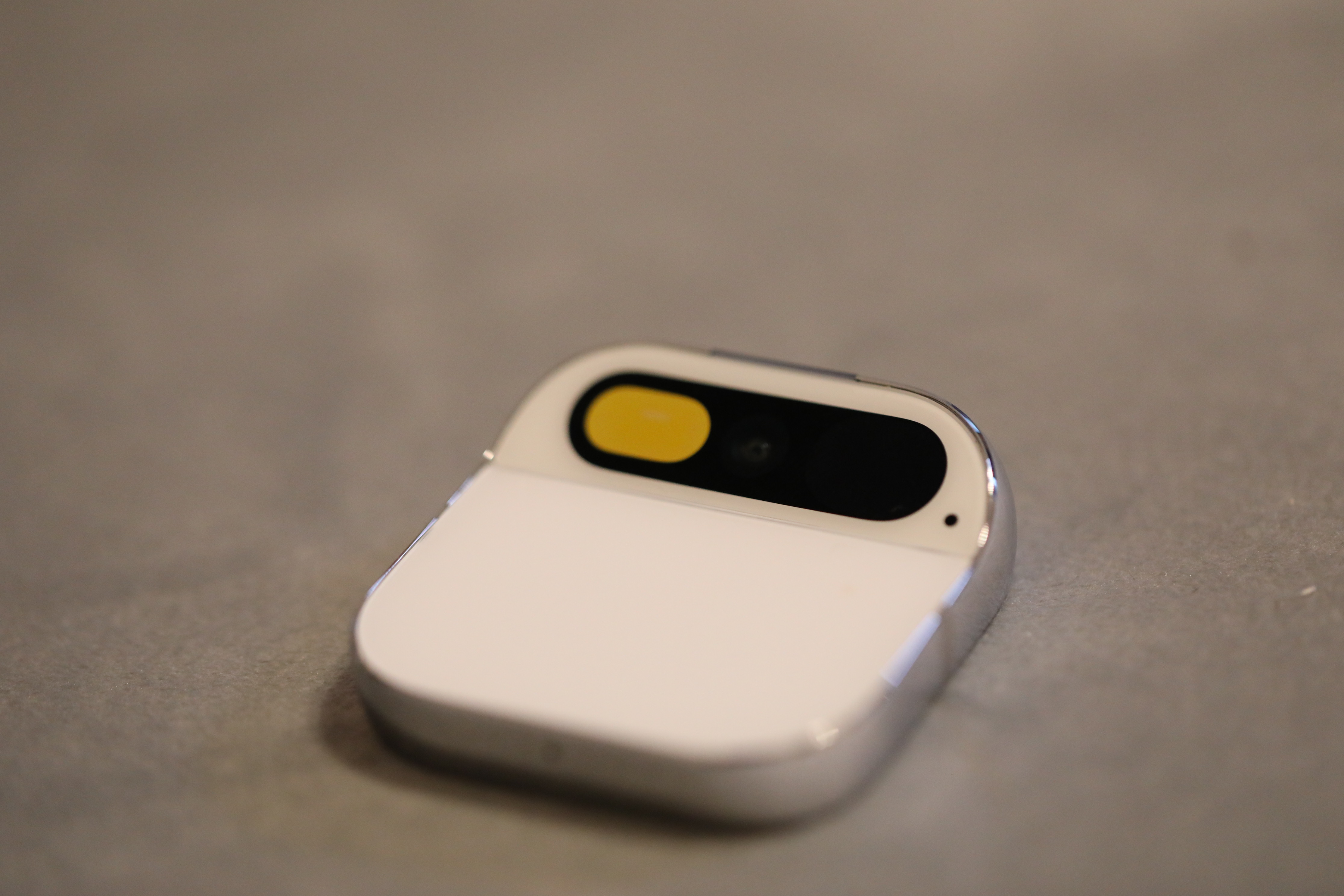
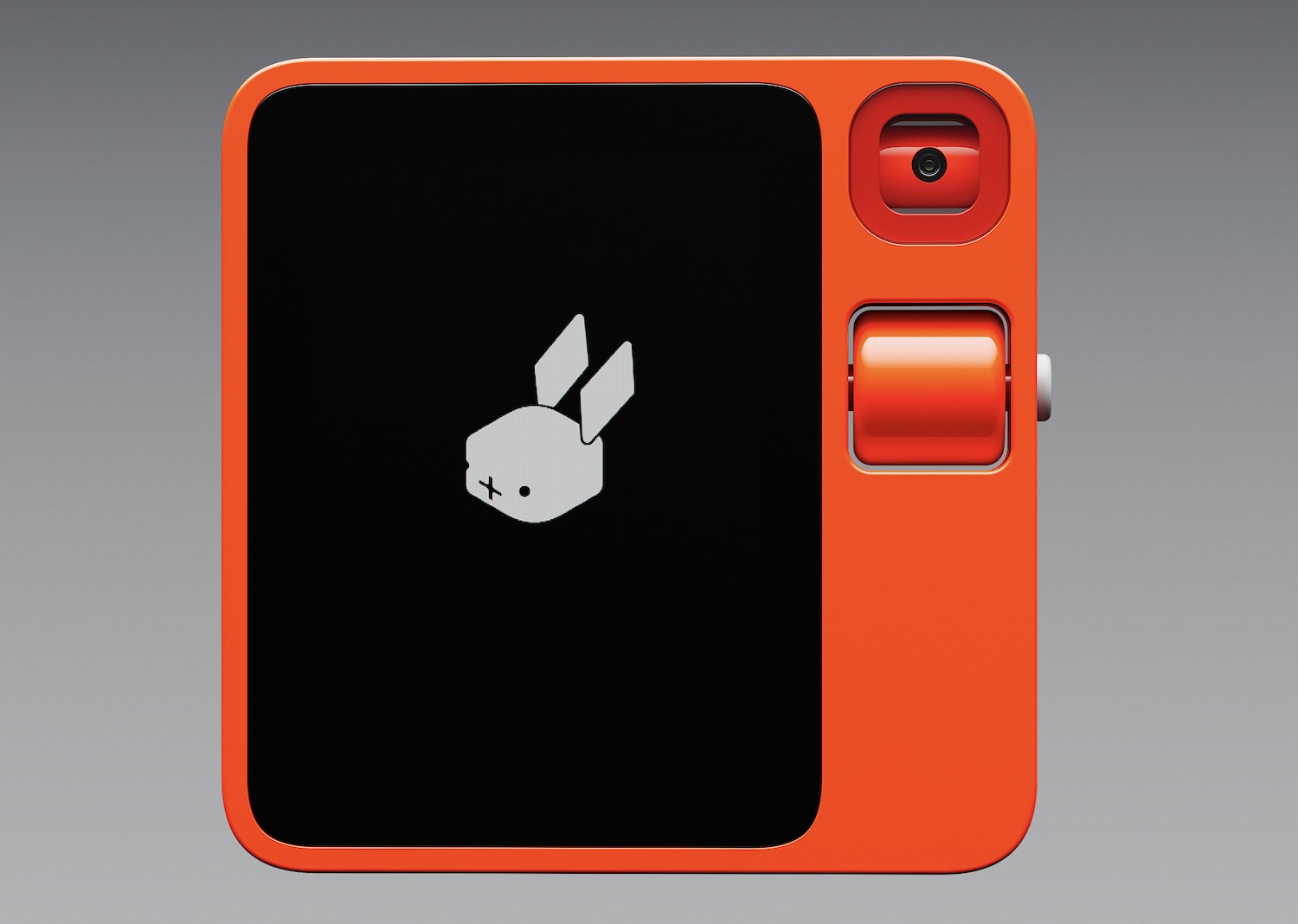
Among the hardware failures, TechCrunch highlights the Humane AI Pin — a wearable device for which the company raised $230 million. The product suffered from performance problems, and the situation worsened after customers were warned to stop using the charging case due to a battery fire risk. In February 2025, Humane shut down the AI Pin business, and HP bought most of the assets for $116 million. The Rabbit R1, unveiled at CES in January 2024, sold, according to the company, 100,000 units, but early reviews described the device as unfinished, with unreliable performance and a limited set of integrations. Rabbit, however, continues to update the R1, positioning it as a controller for agentic tasks, and announced a new hardware project, 'Project Cyberdeck' — a portable device for vibe-coding. The overall picture, according to TechCrunch, shows that both independent startups squeezed out by features of major platforms and the giants' own products are shutting down: the solutions that survive are those embedded in ecosystems with large audiences, while standalone AI products face competition, legal risks, and privacy concerns.