The key facts
- A growing number of AI agents can be used like regular conversation partners in SMS, iMessage, WhatsApp and Telegram — without installing separate apps
- A growing number of AI agents can be used as regular chat contacts in SMS, iMessage, WhatsApp, and Telegram — without installing separate apps
- Instinct has become the most expensive player in the segment: in September 2026 it raised $1 billion at a $10 billion valuation
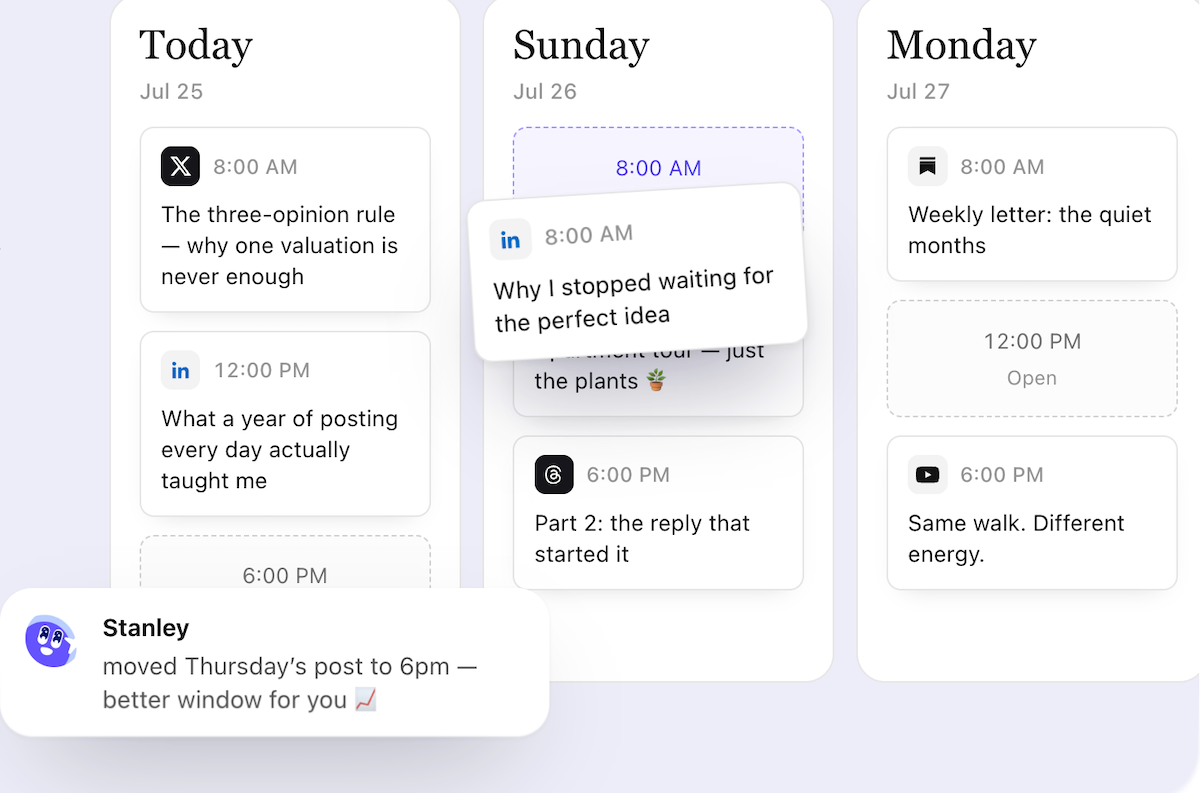
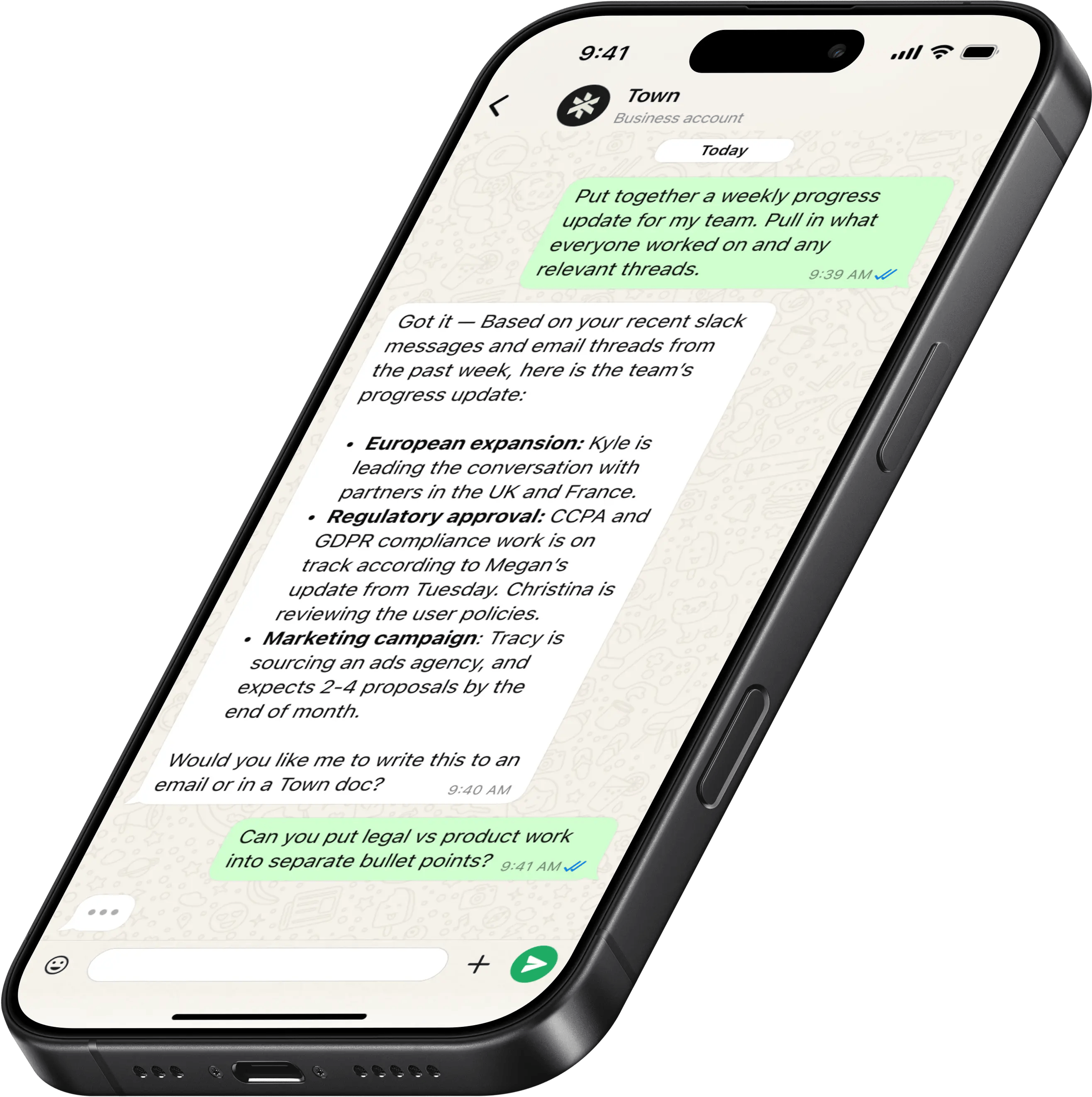
- The segment covers different niches: families (Fambot, Ollie, Ohai), travel (Miso), content (Stanley) and work (Town)
- The segment covers different niches: families (Fambot, Ollie, Ohai), travel (Miso), content (Stanley), and work (Town)
An assistant instead of an app
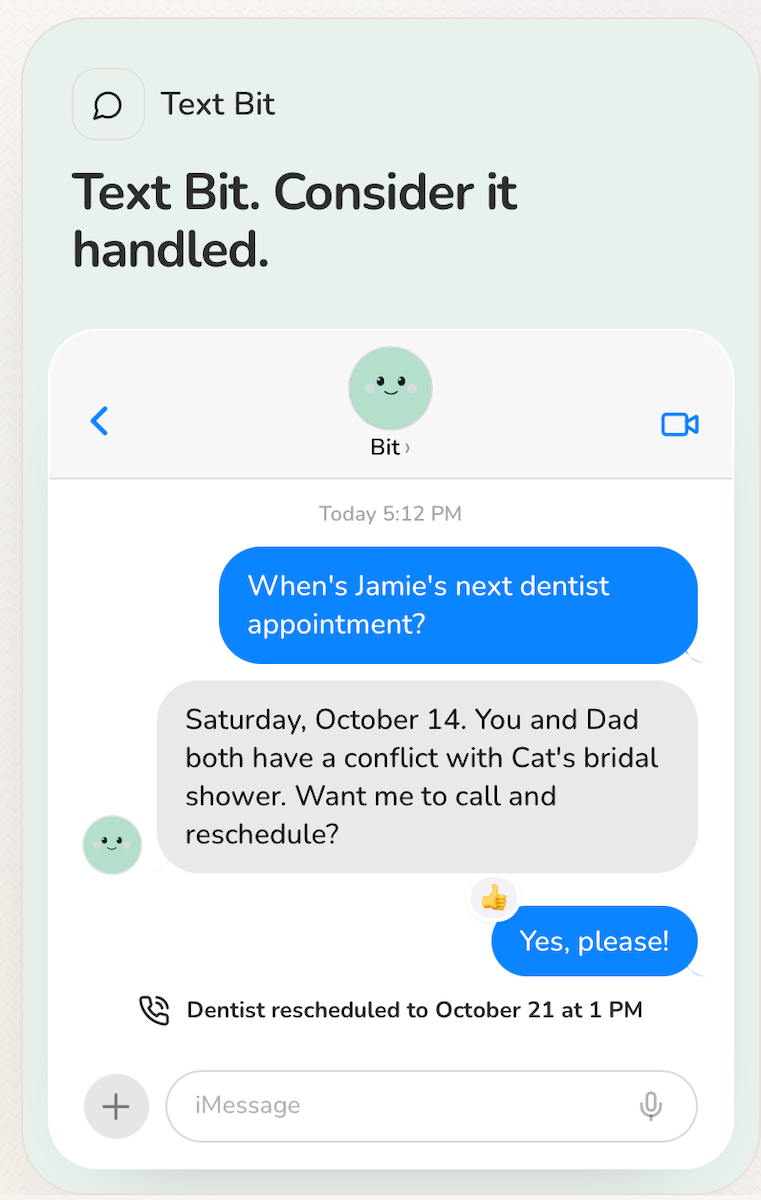
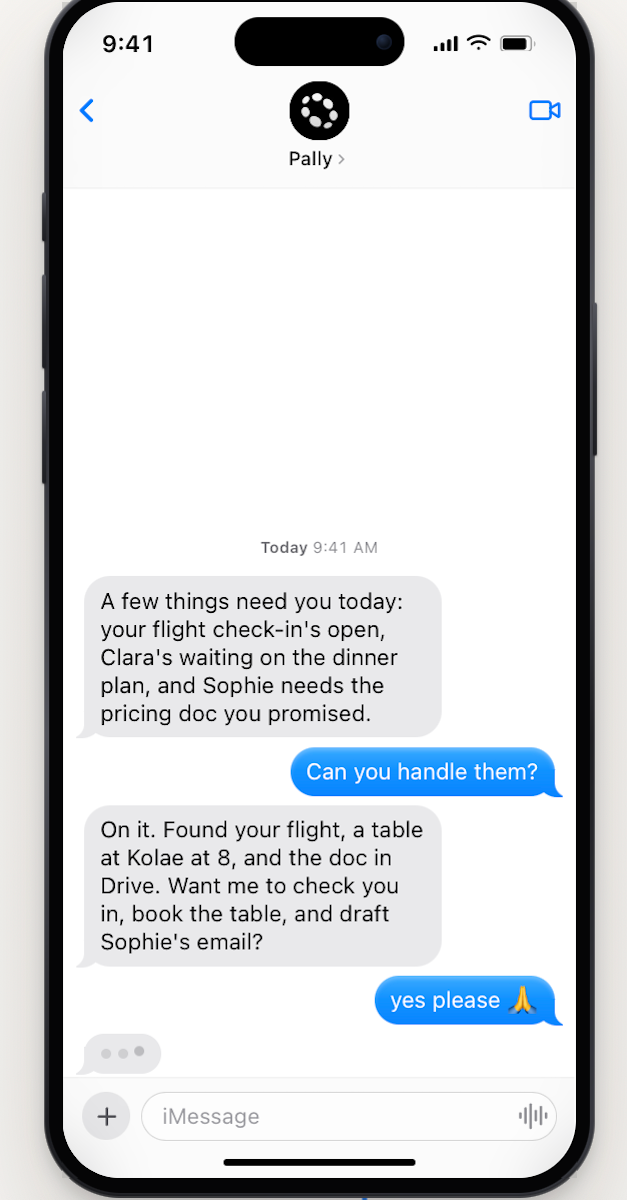
Instead of installing yet another app, users can increasingly simply message an AI agent like a regular person: tell it what needs to be done, and the agent will remember the context, connect to services already in use, and complete the task — from booking a doctor's appointment and planning a trip to buying tickets and sending a reminder a few days later. TechCrunch has published a review of the most notable players in this market.
Instinct — the leader by valuation
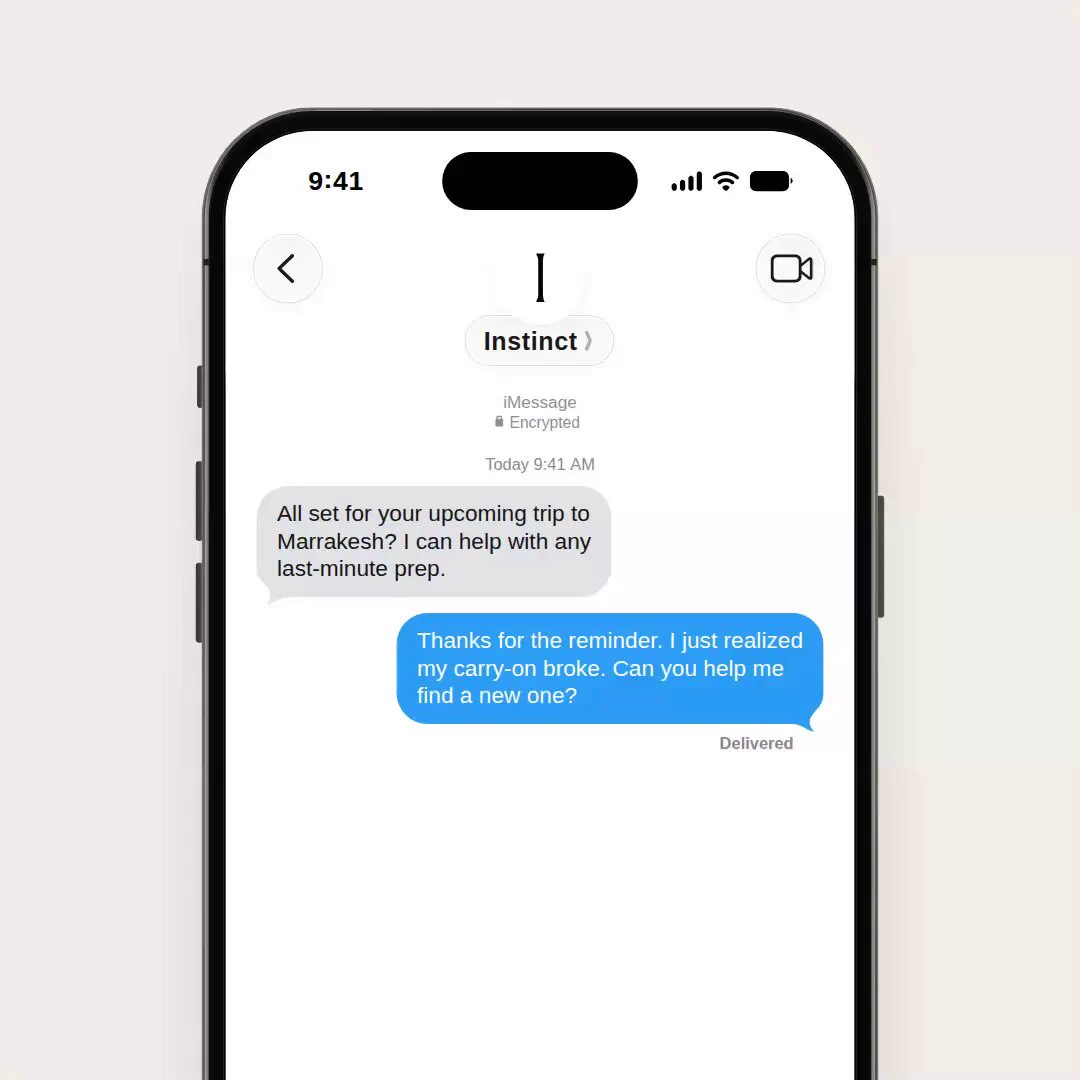
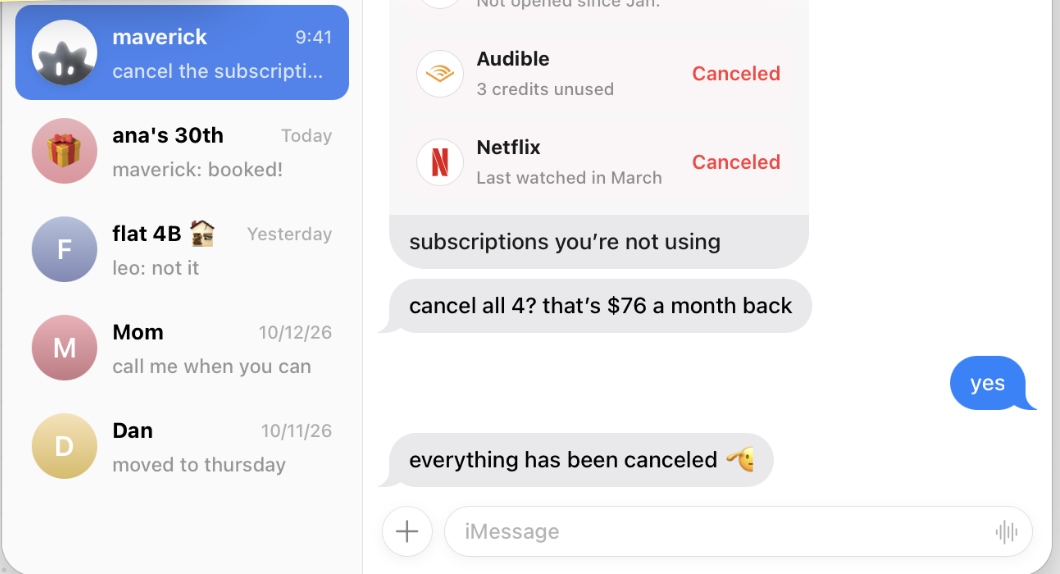
The most talked-about agent remains Instinct: it first raised $350 million at a $2.5 billion valuation, and in September 2026 it raised another $1 billion, bringing its valuation to $10 billion. The agent works with text and voice, connects to email, calendars and Google Workspace, and among early users' tasks are trip planning, grocery shopping, booking tickets and canceling subscriptions. In September the service began issuing users separate email addresses for their assistants, so that Instinct could sign up for services and correspond with companies without cluttering the personal inbox; this autonomy, however, raised questions about privacy and security. Also, the rollout of a calling feature has begun. The service remains in closed beta for now.
General-purpose assistants
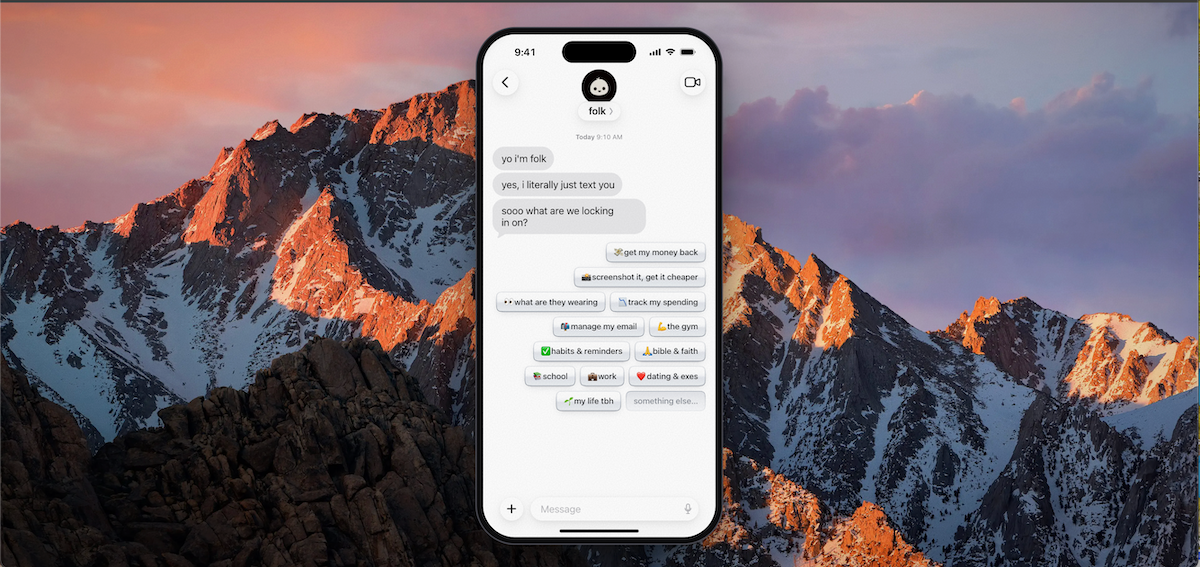
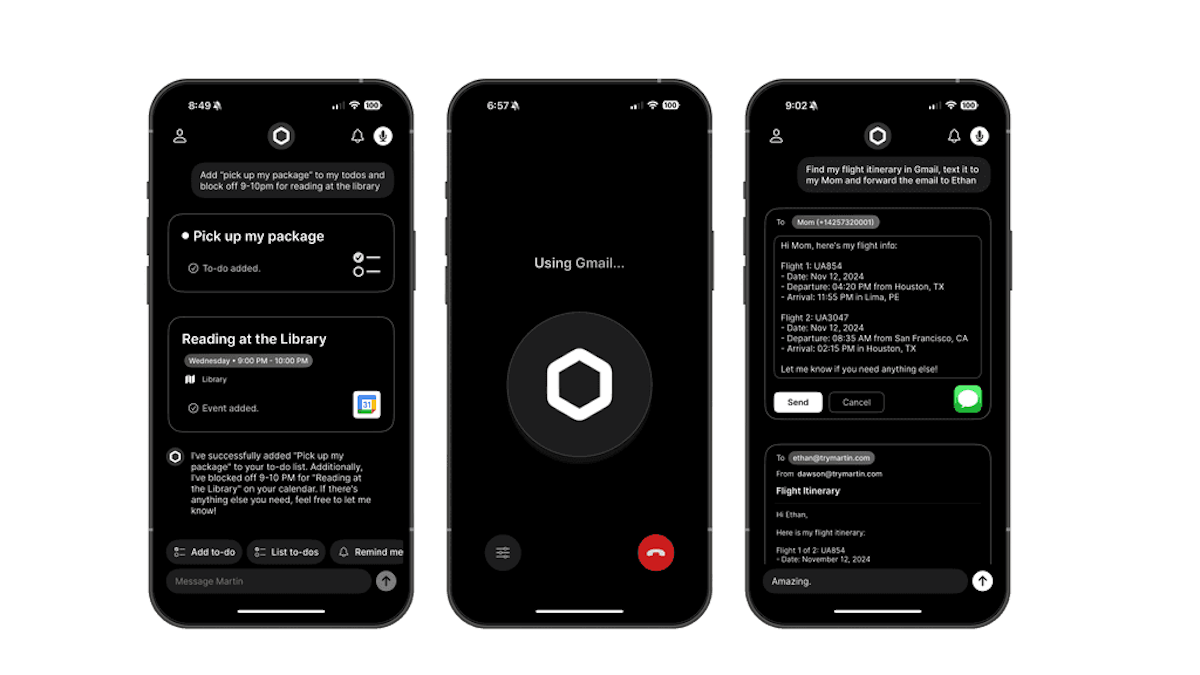
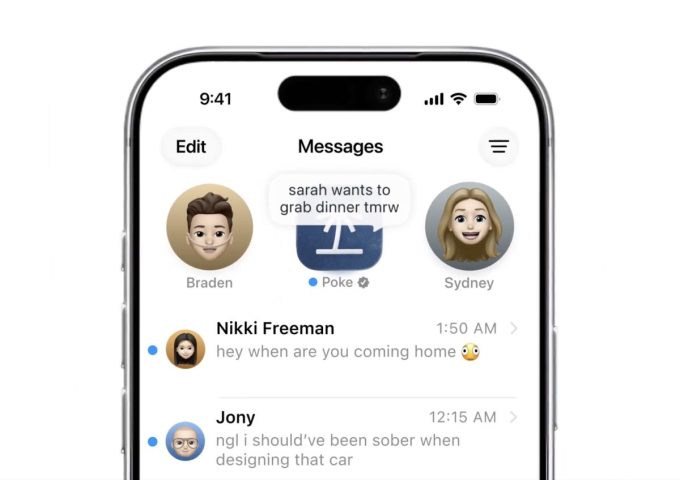
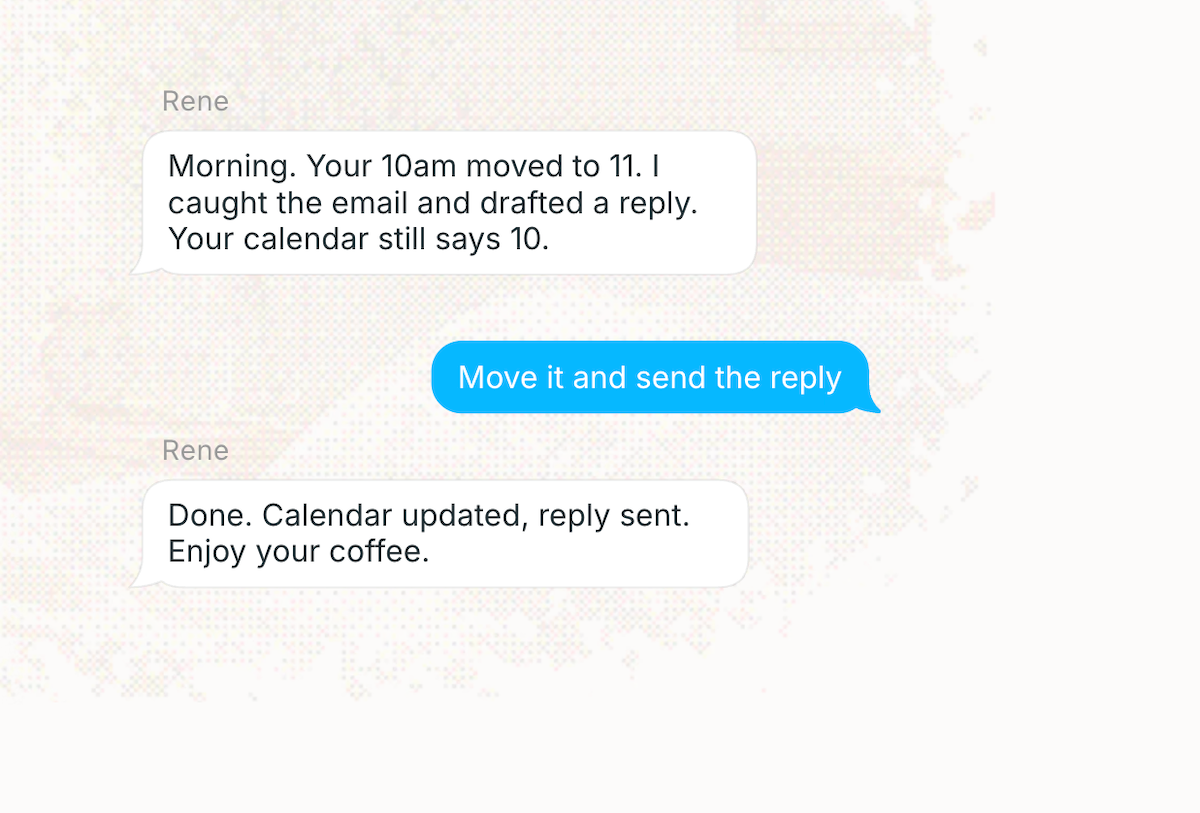
Besides Instinct, the market has a whole range of general-purpose assistants. Poke, launched in March 2026, works with calendars, planning, health, smart home and photos; in June Apple approved it as the first AI agent on the Apple Messages for Business platform, and a month later its parent company The Interaction Company of California acquired the startup Cognition — the deal was valued in the 'low nine figures.' Folk (in beta since May 2026) works via iMessage, WhatsApp and Telegram, executes multi-step tasks on its own private cloud, and offers a Pro subscription at $8.33 per month. Martin is available via SMS, phone, WhatsApp, email, Slack and its own app, but is more expensive — from $21 per month. Maverick is free in beta via iMessage, and the Pro version at €27 per month includes 500 tasks and 20 connected apps; its distinguishing feature is asking permission before every action. Comma is a free open-source agent that works via Signal, Telegram and WeChat. Rene is available in iMessage, Telegram and WhatsApp and can write code, make purchases and create slides. Pally works via iMessage, RCS and Telegram, with a free tier available.
Family and niche agents
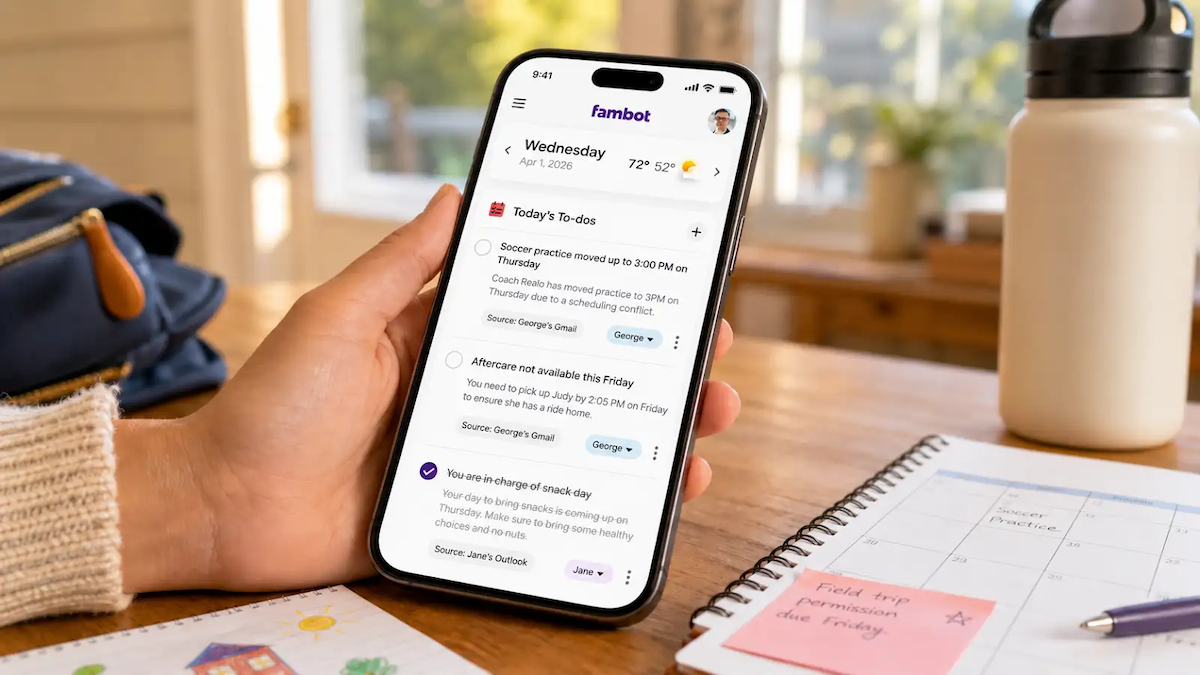
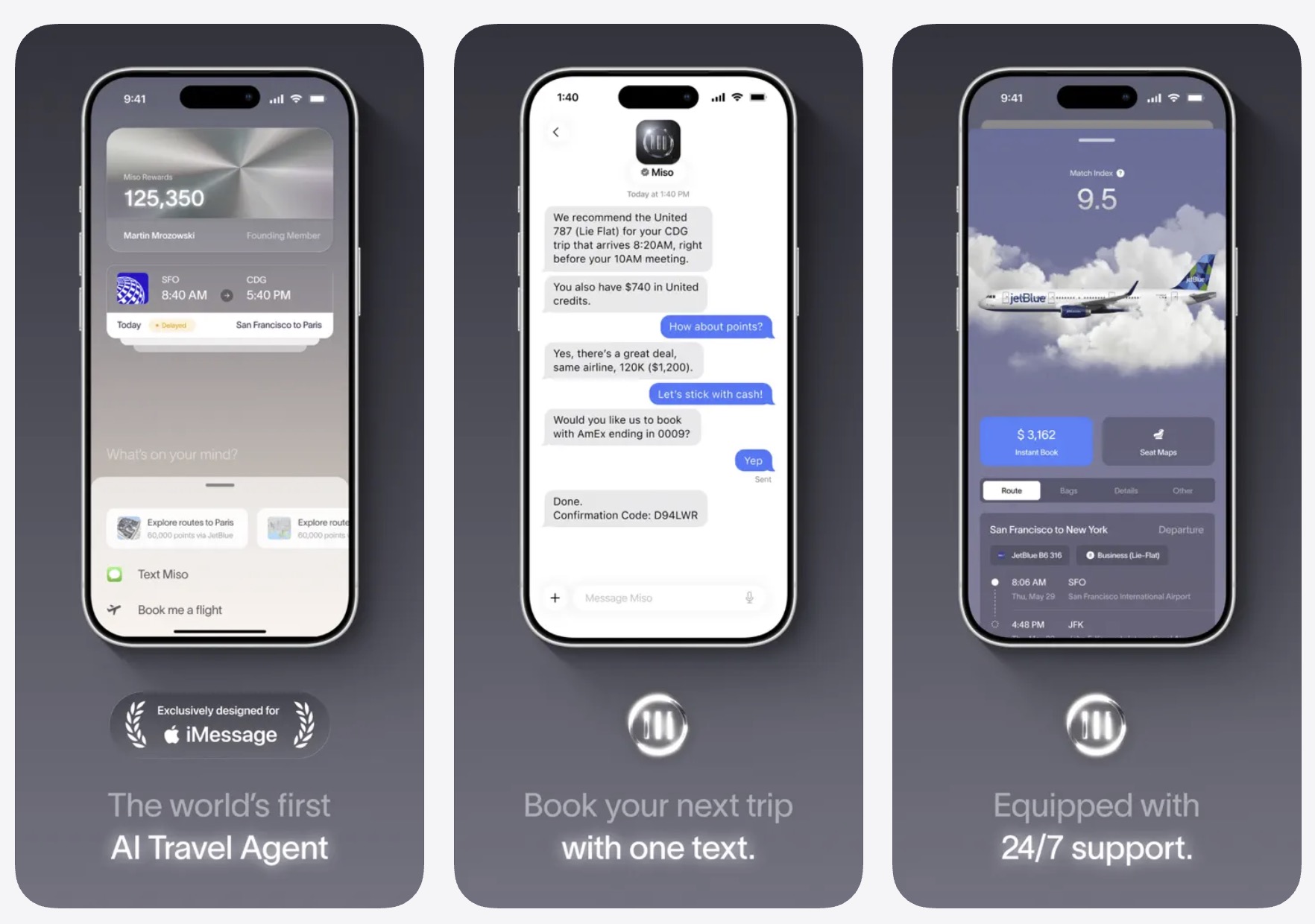
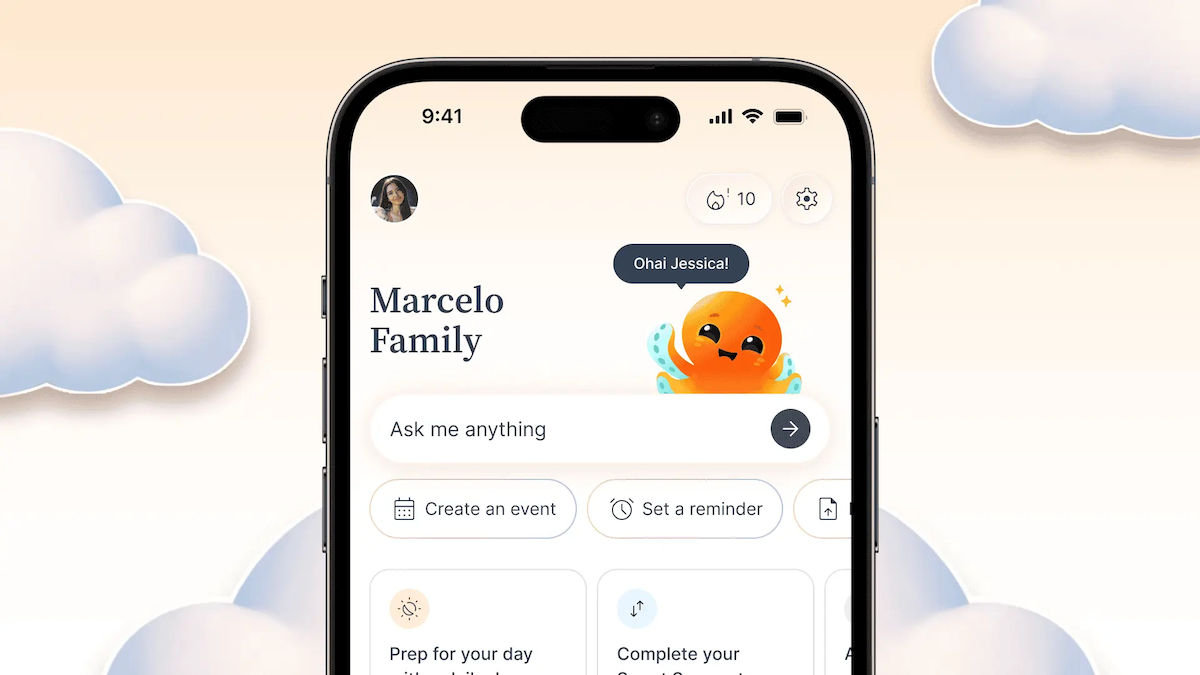
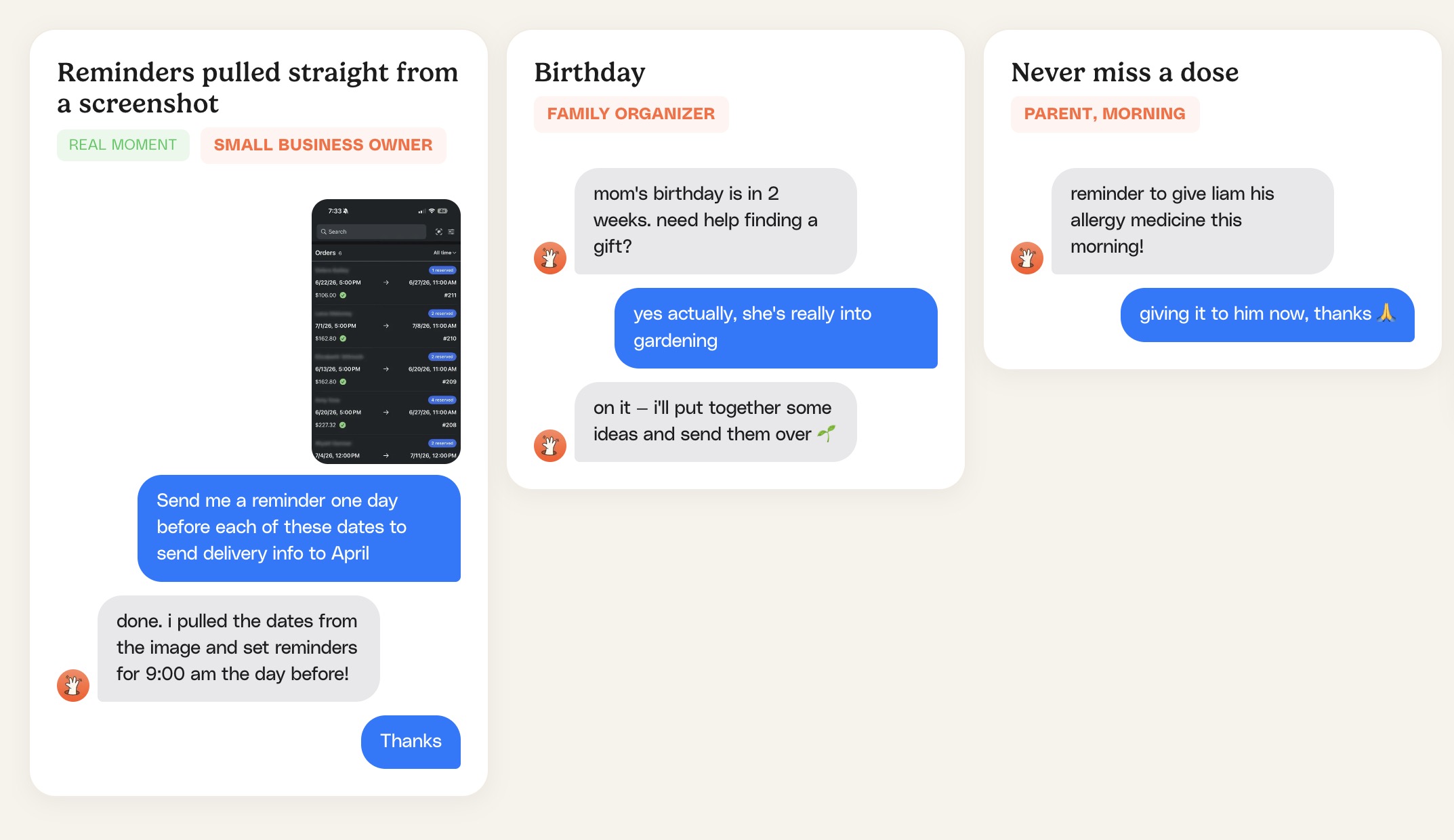
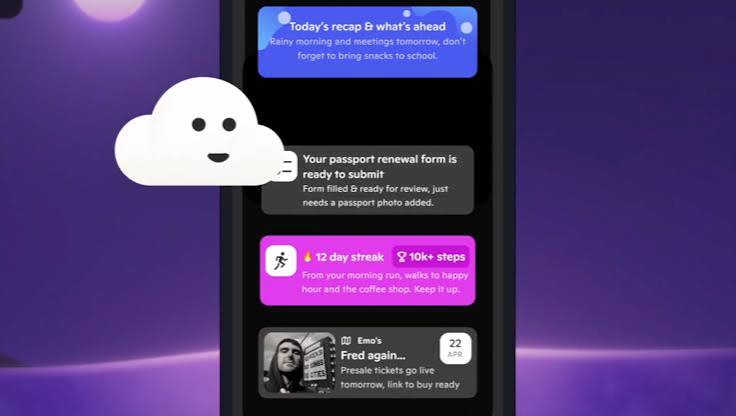
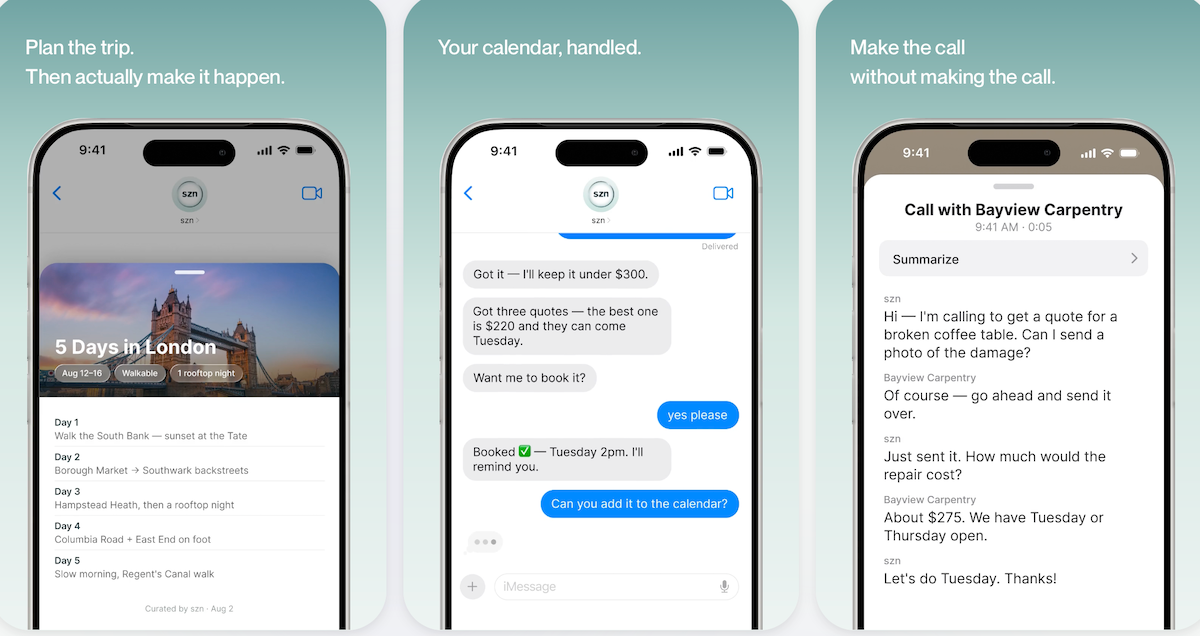
A separate niche is assistants for families. Fambot, which launched in beta in early September 2026 with $3.5 million in pre-seed funding, collects school messages, sports, meal plans and calendars, and every night sends a summary for the next day; the service is free for now, but in the future plans to charge 'roughly like a Netflix subscription.' Ollie (launched in June 2026, plans from $25 for 150 messages to $100 for 1,000) stands out in that it became one of the first family AI assistants with SOC 2 certification. Ohai offers plans from $9.99 per month depending on family size, while Orbits, backed by Andreessen Horowitz Speedrun, N49P and Garage Capital, can book restaurants, change appointments and request quotes for household services. Other niches are served by Miso (trip planning via iMessage with loyalty miles taken into account), Stanley (an AI content editor for creators), Tomo (an assistant for group chats, from $19.99 per month) and Town, focused on professional tasks: in June 2026 it raised $55 million in a Series A led by Andreessen Horowitz and Forerunner.
New approaches to privacy and autonomy
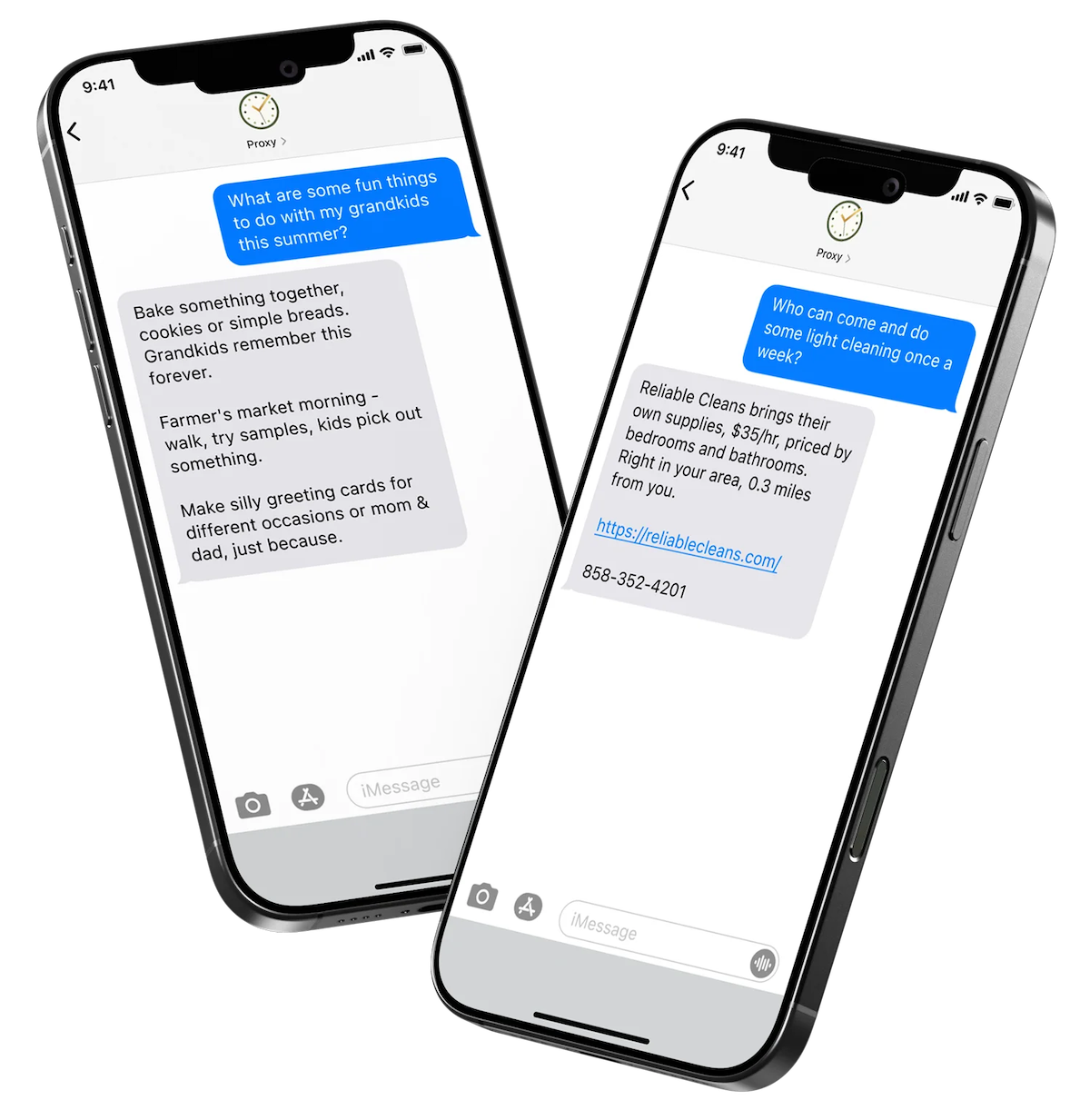
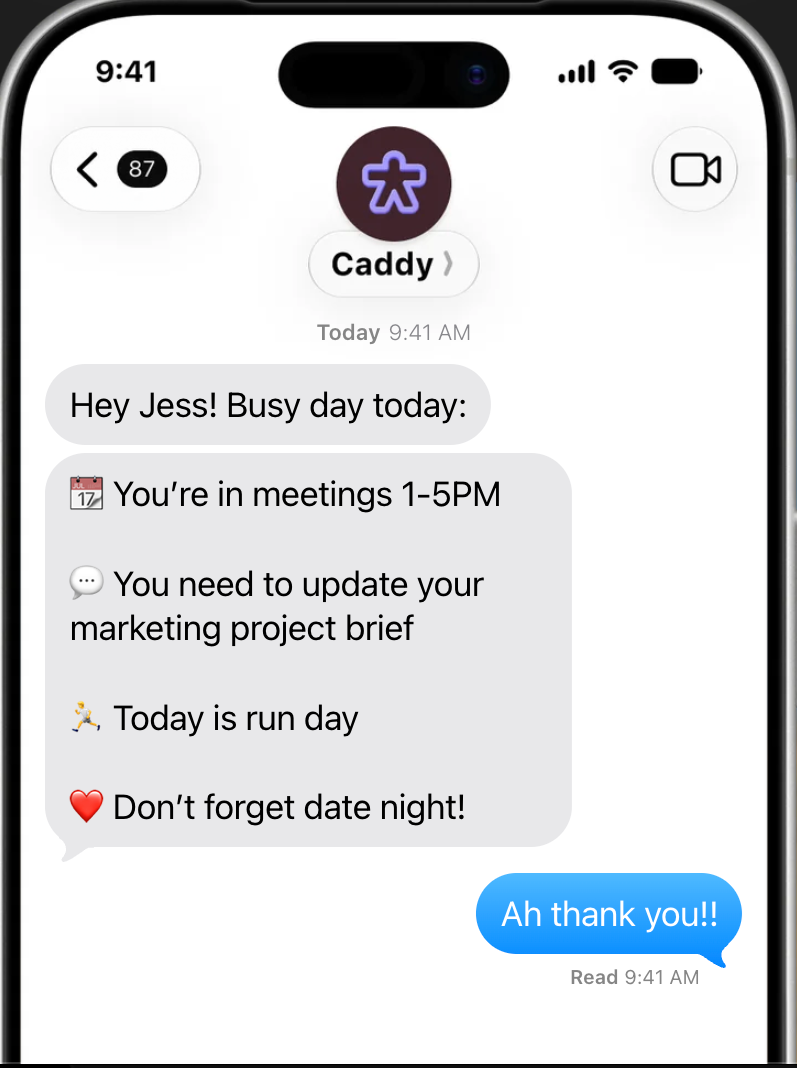
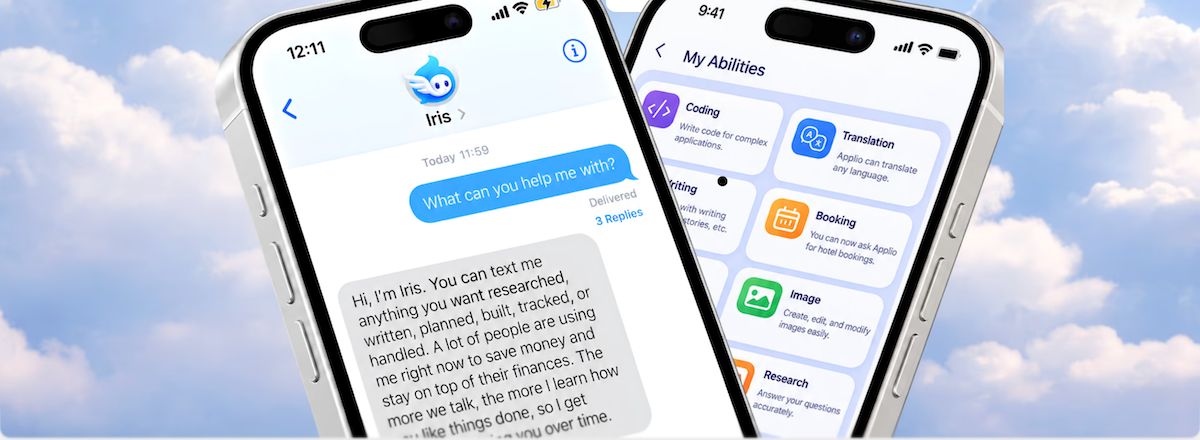
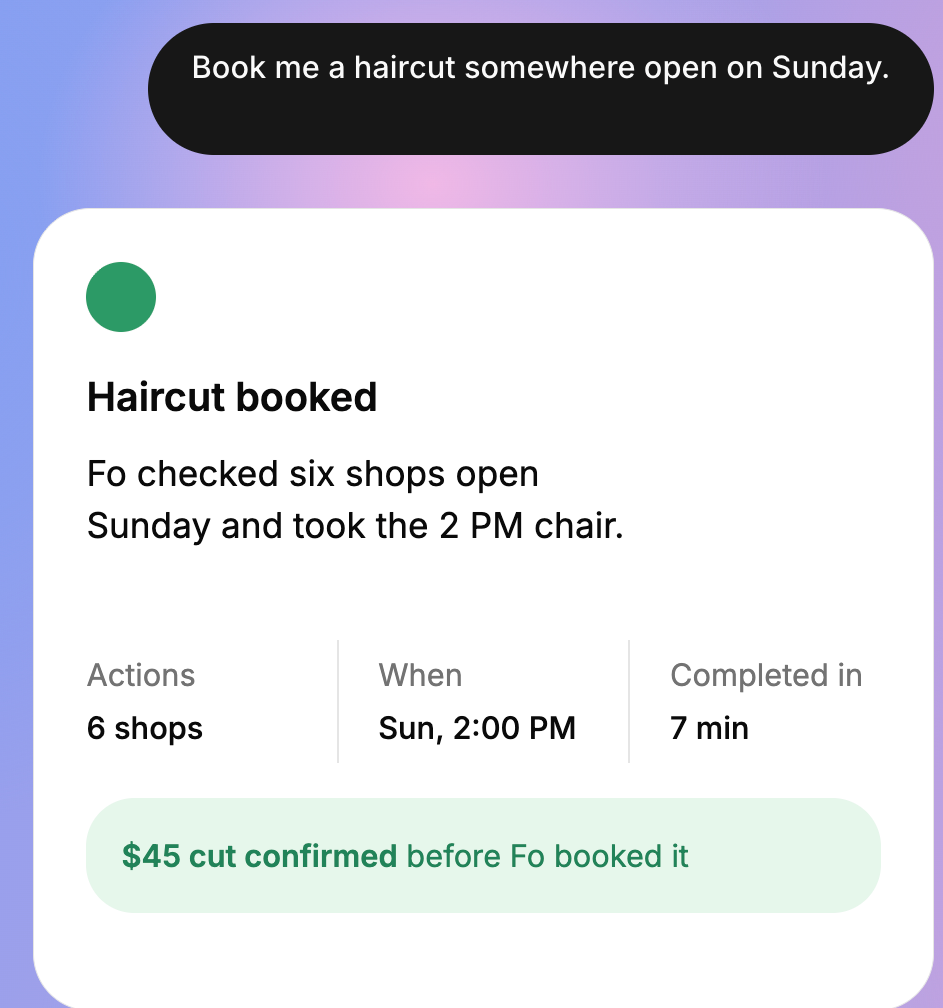
Some players are betting on being different from the basic model. Underdog, which launched its invite-only beta in early October 2026, runs entirely on the user's device — for now on Mac and Windows, with versions for Linux, iPhone and Android planned; the app will be free and, according to the company, will never show ads. Wajo gives its agent Fo its own identity — email, phone number, and payment card, so you don't have to hand your data over to businesses, and it brings in a human assistant for complex tasks; Fo became publicly available in September 2026. Ask Proxy, which works over SMS, claims it 'thinks like a woman' and anticipates your needs; the personal version costs $1 a day, the corporate one starts at $15 per employee per month. Skye from Signull Labs is an 'agentic home screen' for iPhonethat raised about $3.6 million in seed funding in 2025 and has been in closed beta since April 2026. Tab came out of stealth in early October with a $300 million valuation (investors include SV Angel, Valar Ventures, and American Spirit), while Szn, according to the company, has served more than 7,500 businesses in 16 countries. Iris works via iMessage on the Hermes Agent engine, while Caddy has been in public beta in iMessage and RCS since April 2026.
Why it matters
The market for AI agents in messengers is rapidly consolidating around a few monetization models — from free open-source solutions to subscriptions of $20–100 per month — and major deals like Cognition's acquisition of Poke show that the segment is already attracting strategic buyers. For users, this means that familiar messaging is turning into an interface for real actions: bookings, purchases, and calls — but the growing autonomy of agents, as in the case of Instinct's separate email addresses, simultaneously raises privacy and security questions that the publications themselves note remain unresolved.