The key facts
- In the first round, Flávio Bolsonaro received 47% against Lula's 45%
- Two polls on Saturday give Bolsonaro 51% against Lula's 49%
- The winner of the second round will set the political course of Latin America's largest country
Rallies on the eve of the decisive vote
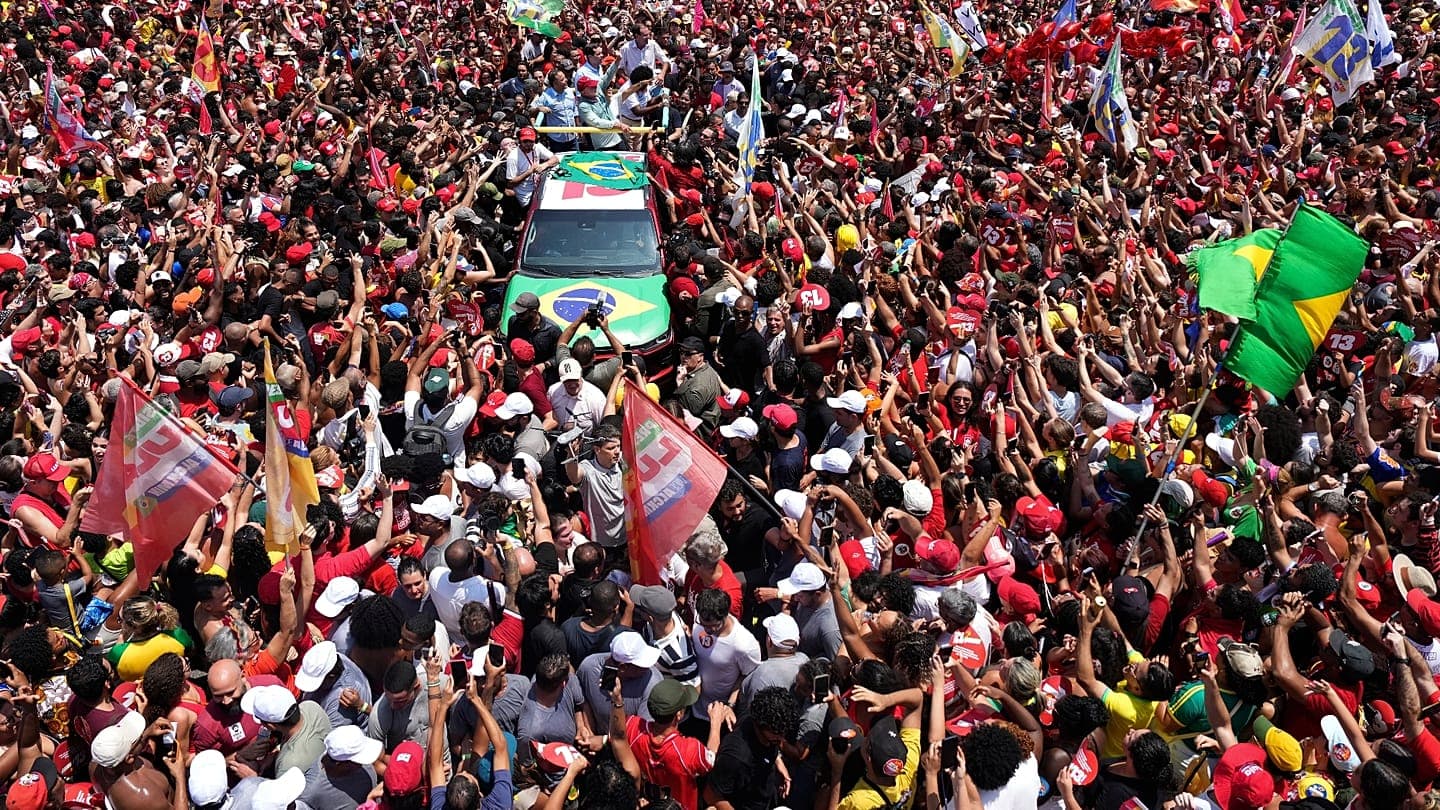
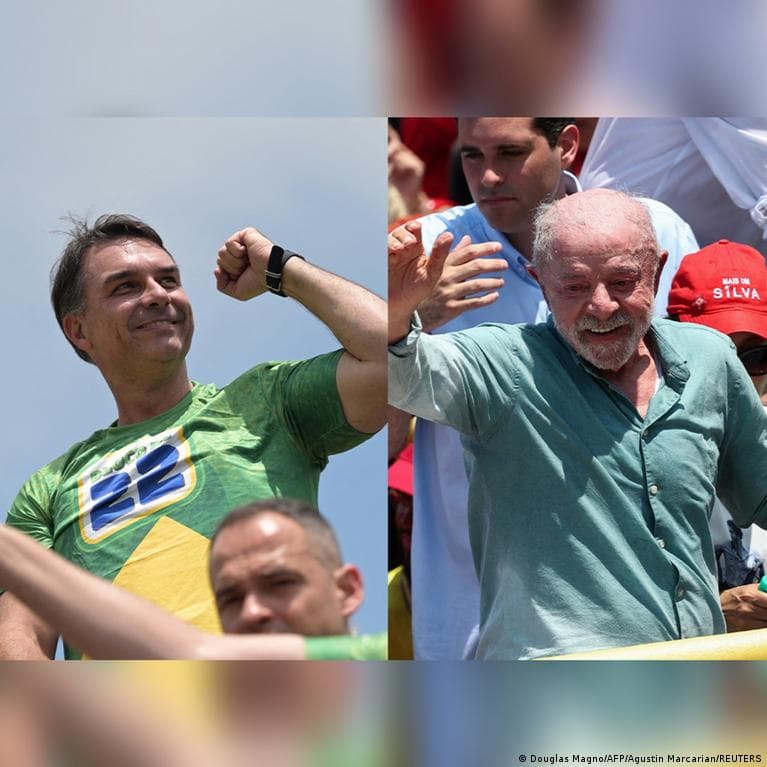
On Saturday, one day before the second round of Brazil's presidential election, tens of thousands of supporters of incumbent head of state Luiz Inácio Lula da Silva and his rival, Senator Flávio Bolsonaro, took to the streets, AFP reports. Copacabana in Rio de Janeiro was filled with Lula's supporters dressed in the red colors of his Workers' Party, while Bolsonaro gathered a crowd, including hundreds of motorcyclists in yellow national team football jerseys, in Belo Horizonte — the capital of the key 'bellwether' state of Minas Gerais. After that, Bolsonaro headed to Rio, where he visited the house where his father, former president Jair Bolsonaro, was recovering after an assassination attempt during the 2018 campaign. The crowd greeted the senator with American and Israeli flags and 'Lula, out' placards.
The balance of power and voters' mood
Bolsonaro, the son of the far-right former president, unexpectedly won the first round with 47% of the vote against Lula's 45%. Two polls published on Saturday — by the Datafolha and Quaest institutes — give Bolsonaro 51% against 49% for the incumbent president. The first-round defeat, according to AFP sources, mobilized the left camp: large protests took place in São Paulo and an active digital campaign unfolded. 'I think we needed that scare,' said actress Bruna Marquezine. Bolsonaro's supporters, in turn, criticized the ruling party's social policies: businessman Ebert Dorigo accused the PT of making people dependent on government benefits, while 37-year-old João Paulo declared: 'Enough. We had 16 years of this rule, and it clearly didn't work,' referring to the Workers' Party's total period in power.
The campaign and the final debates
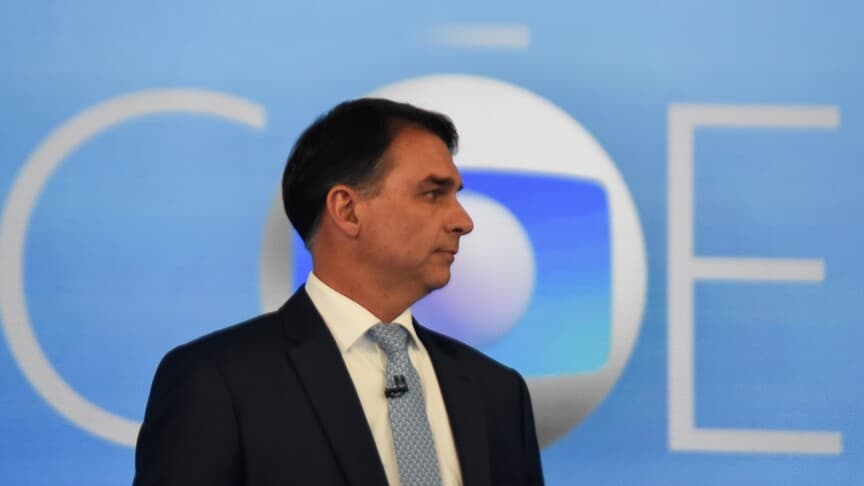
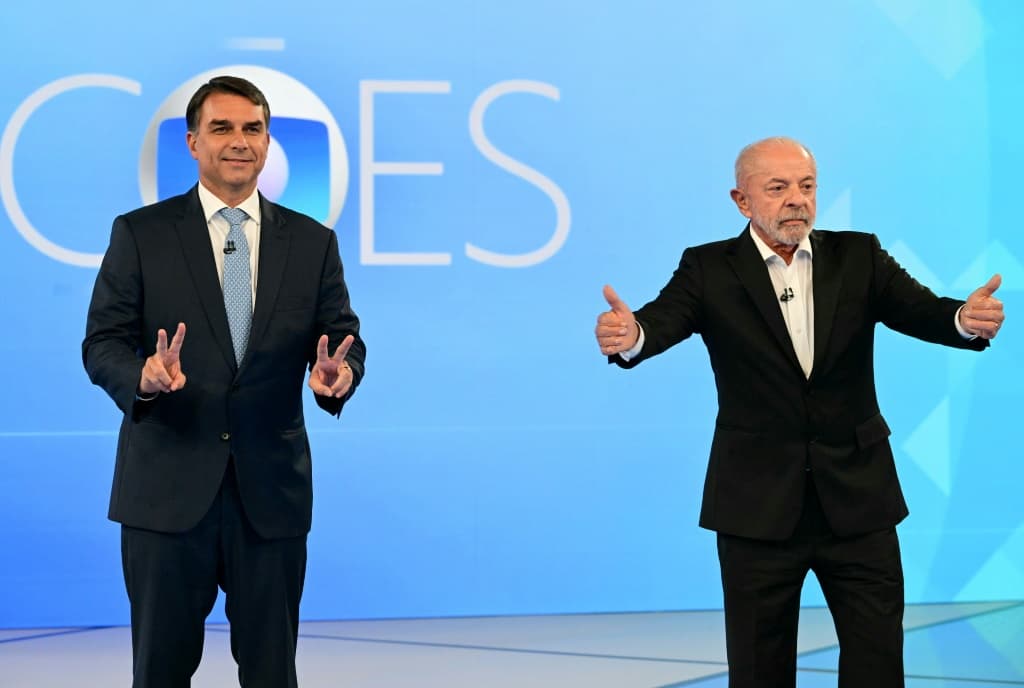
At the final debates on Friday, the rivals behaved more calmly than at their first face-to-face meeting, which had descended into mutual insults. Lula pointed to the senator's inexperience, Bolsonaro accused the president of leaving behind a 'ruined country' and asked: 'Why is everything so expensive?' Lula, for his part, said of his rival: 'He doesn't know what hunger is.' According to AFP, Bolsonaro positions himself as a moderate version of his father, who is serving a 27-year prison sentence for attempting a coup after losing to Lula in the 2022 election. Bolsonaro himself promised to solve the crime problem and cut government spending, and after a prayer told his supporters: 'I am absolutely convinced that by this time tomorrow Brazil will have a new president.' Lula, who turns 81 next week, said at a rally: 'The people must choose: either the one who kisses the national flag, or the one who kisses the American flag.'
What is at stake
Sunday's second round will determine whether Brazil remains one of the few left-leaning countries in Latin America or joins the region's rightward shift, which, according to AFP, is being advanced by Bolsonaro's ally — US President Donald Trump. Both camps, the agency notes, actively used fear-mongering during the bitter campaign, alienating many voters: 'If there were another candidate, that would be the best option. But we have to choose between the worst, the terrible, and the lesser evil,' said event organizer Gabriela Ribeiro Viana. Editorial note: with a two-percentage-point gap in the latest polls, the outcome may be decided in 'swing' states like Minas Gerais, and the result will directly determine the course of the region's largest economy — from social programs to relations with the US. It remains unknown how accurate the pre-election polls are: only the vote itself will provide a reliable answer.