The key facts
- Datafolha and Quaest polls give Bolsonaro 51% and Lula 49%, within the margin of error
- In the first round, Bolsonaro took 47% against 45% for Lula
- Most polls before the first round predicted a narrow Lula victory
Runoff polls
Two independent polls published on Saturday show that Flávio Bolsonaro, the son of jailed former leader Jair Bolsonaro, leads incumbent President Luiz Inácio Lula da Silva by two points ahead of Brazil's runoff election, which takes place on Sunday. According to AFP, the Datafolha and Quaest institutes give Bolsonaro 51% of vote intentions against 49% for Lula. In both polls, however, the gap between the candidates falls within the margin of error, meaning they are in a statistical tie.
First round and campaign context
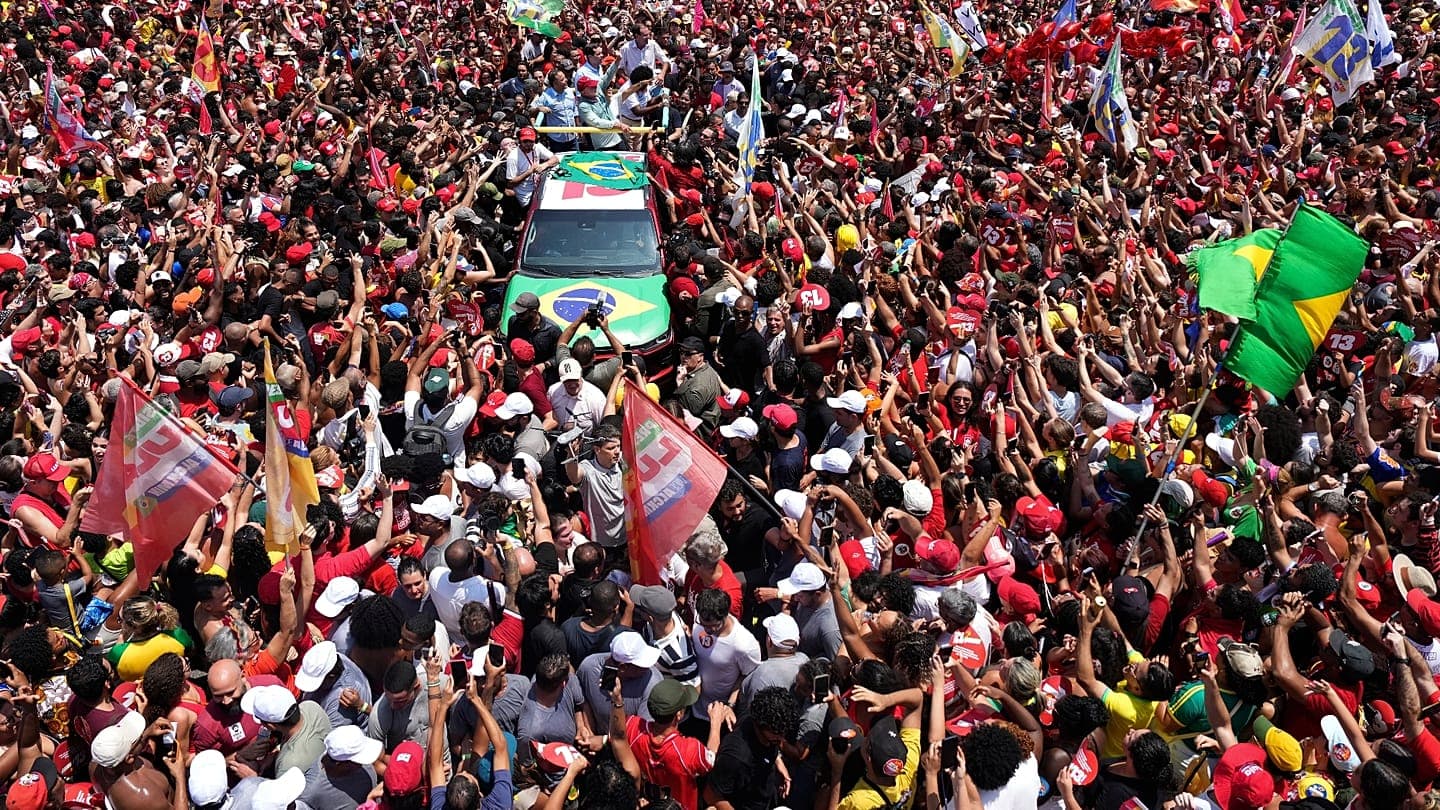
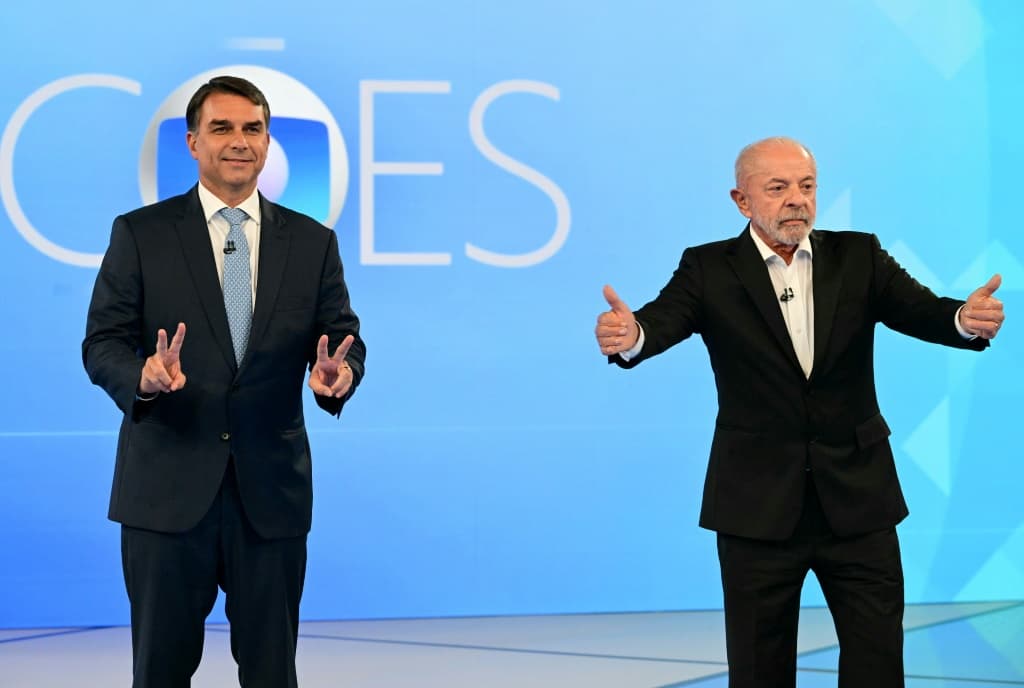
Bolsonaro is considered a slight favorite in the runoff after taking 47% of the vote in the first round against 45% for Lula. As AFP notes, no candidate who lost the first round in the history of Brazilian democracy has ever come back to win the runoff, although Lula's campaign regained momentum thanks to mass protests and an intensive digital campaign after the unexpected first-round result. On Friday, the candidates took part in the final televised debates, which focused mainly on policy proposals — unlike the first debates, which quickly turned into an exchange of insults.
Data limitations
The Datafolha poll was conducted from Thursday to Friday and does not specify whether interviews were carried out after the televised debates. The Quaest poll ran from Friday to Saturday, when both campaigns held mass rallies in a final attempt to sway voters. Notably, most polls did not foresee Bolsonaro's first-round victory, instead predicting a narrow win for Lula, which underscores the high uncertainty of the final outcome.
Why it matters
The runoff outcome will determine who will lead one of the world's largest economies, and polls within the margin of error mean the result is unpredictable. For voters and markets, the practical implication is high volatility of expectations until the official results are announced — especially since previous forecasts have already failed to match the actual vote once.