The key facts
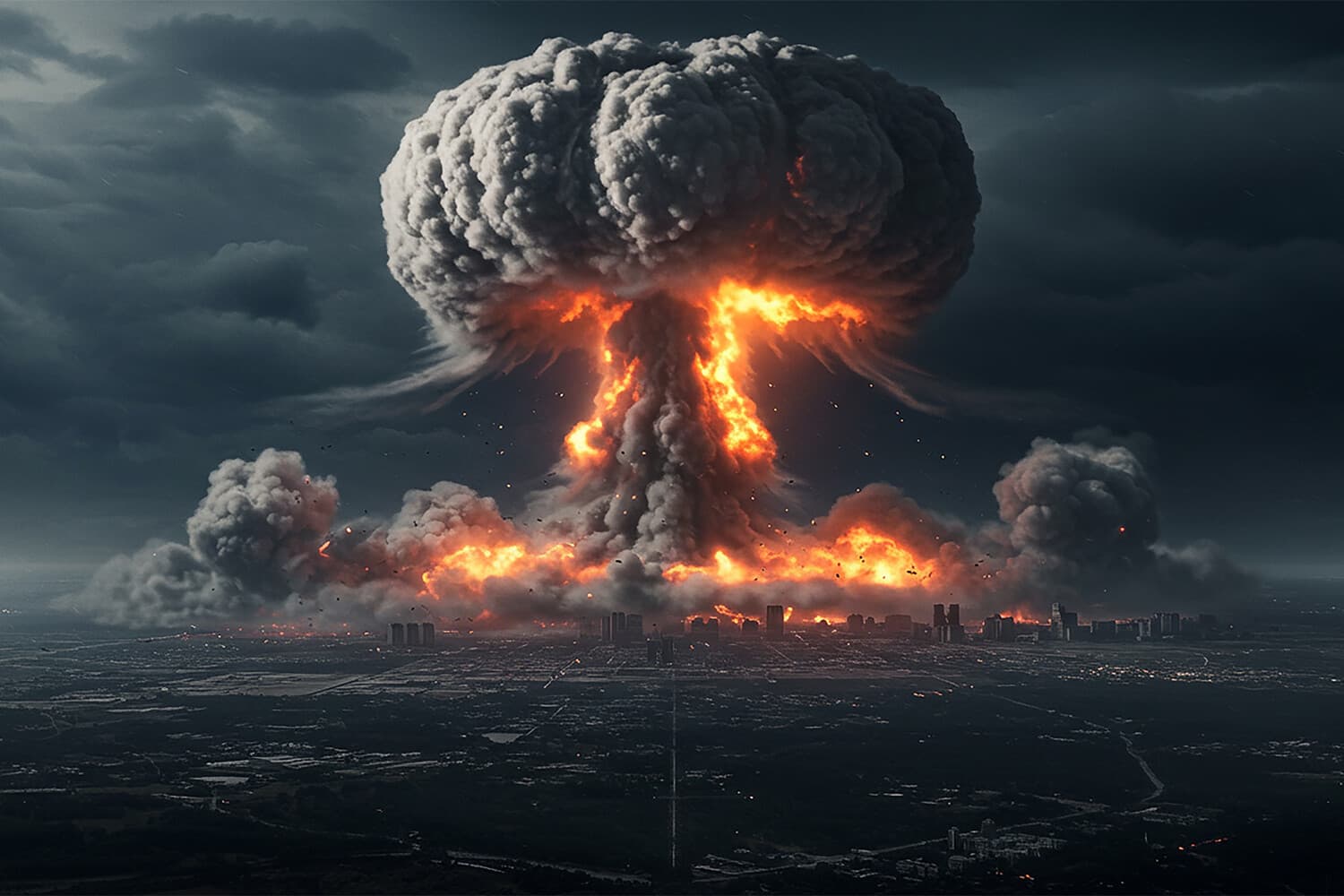
- Netanyahu published an AI image of a nuclear explosion over a city resembling Tel Aviv two days before the October 27 election
- The prime minister called Iran and the 'Shia axis' an existential threat to Israel
- Opposition figure Gadi Eisenkot accused him of 'lies and intimidation'; Trump earlier said he would like to see Netanyahu win
A post made at the height of the campaign
Israeli Prime Minister Benjamin Netanyahu, two days before the parliamentary elections scheduled for October 27, published on the social network X an image generated by artificial intelligence showing a nuclear explosion over a city resembling Tel Aviv. This was reported by Gazeta.Ru. In the accompanying post, the prime minister stressed that Iran poses an existential threat to the Jewish state. 'If the Iranians get nuclear weapons, nothing else will matter. Everything is trivial compared to the existential threat of Iran and the Shia axis,' Netanyahu wrote.
Opponents' reaction and the US position
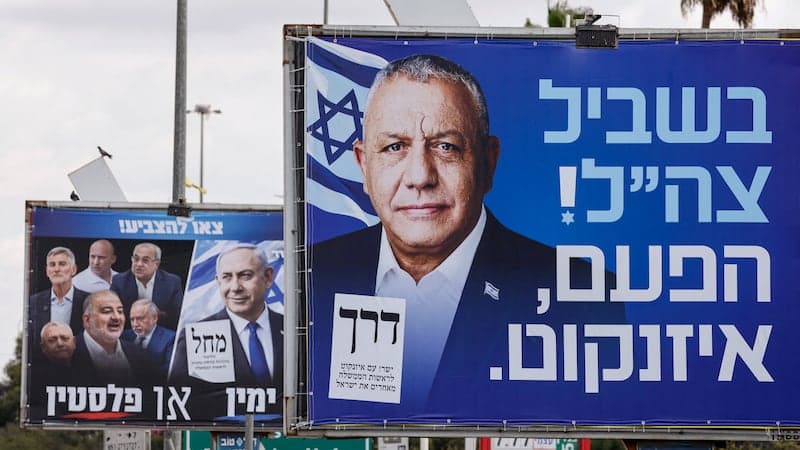
One of the prime minister's rivals in the elections, Gadi Eisenkot, leader of the opposition Yashar party, responded to the post: in his view, Netanyahu is 'in a state of hysteria,' and during every election campaign he uses 'lies and intimidation,' as well as the threat of mass destruction against the citizens of Israel. The Washington position adds context to the campaign: US President Donald Trump recently said he would like to see Netanyahu win the election, noting that the Israeli prime minister, together with the US, carried out a military operation against Iran. Earlier, an anti-government rally was also held in Israel.
Why it matters
The publication of an AI-generated image two days before the vote shows how generative technologies are being used as a campaign tool in Israel, and the theme of the nuclear threat from Iran is becoming the central argument of the campaign. For Israeli voters, this means that the outcome of the October 27 election will directly affect the country's course toward Iran and its relations with the US, where Trump has already openly backed the incumbent prime minister. Editorial conclusion: the very technique of the campaign — a synthetic image of a catastrophe — may become a subject of debate about the limits of what is acceptable in an election campaign; however, the sources do not report any official reaction to the post, and it is premature to assess its consequences.