The key facts
- Netanyahu ordered a full closure of the West Bank after the shooting near Hebron, five people wounded; the attackers, according to Palestinian media, were Mohammad Jaabareh and Firas Jaabareh, both 27, from Hebron
- Polls show a deadlock; the election campaign has seen violent incidents, including an assault on the father of Guy Ilouz, a hostage who died in captivity
- Defence Minister Katz said future attacks would be attributed to Lapid, Bennett and Golan; the opposition suspects Netanyahu of possibly starting a new war with Iran to hold on to power
West Bank closure after the shooting
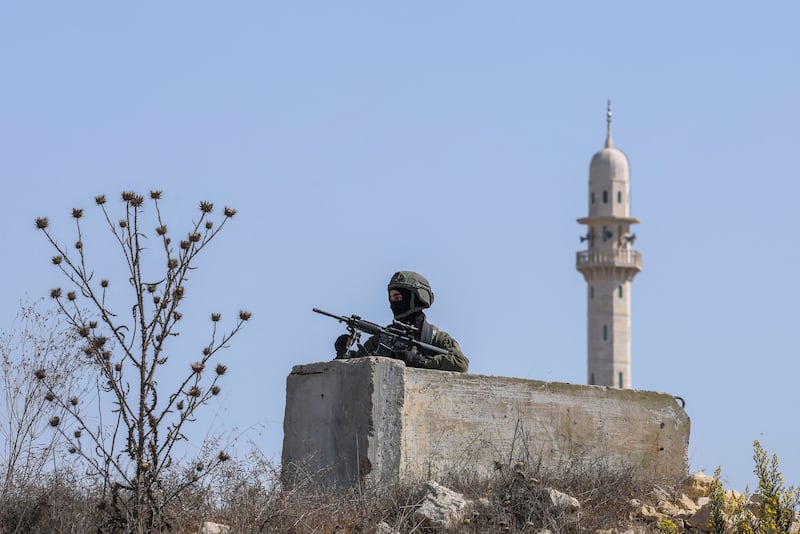
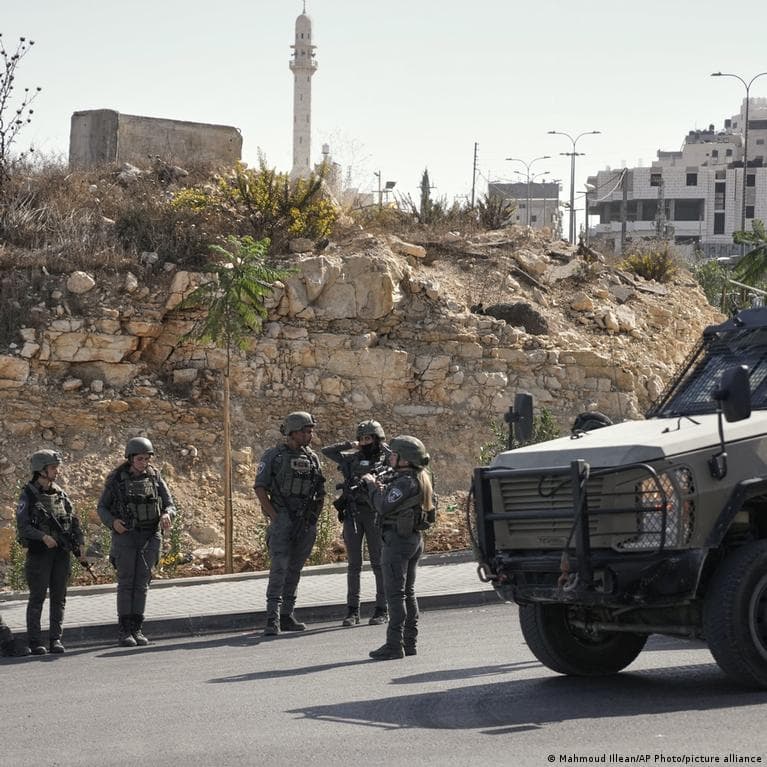
On Friday morning Israel learned that Prime Minister Benjamin Netanyahu had ordered a 'full closure' of the occupied West Bank after a shooting at a military checkpoint near Hebron in which five people were hurt. Palestinian media named the attackers as members of the family of Mohammad Jaabareh and Firas Jaabareh, both 27 years old, natives of Hebron. The military said they had planned a 'large-scale' attack on Israelis; Hebron is home to a number of illegal Israeli settlements. According to The National, the West Bank appears to be completely blocked off.
Reaction from far-right ministers
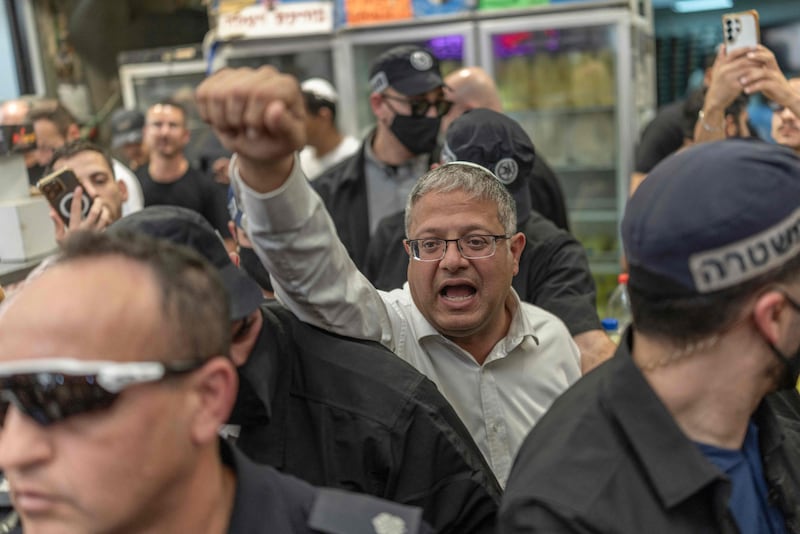
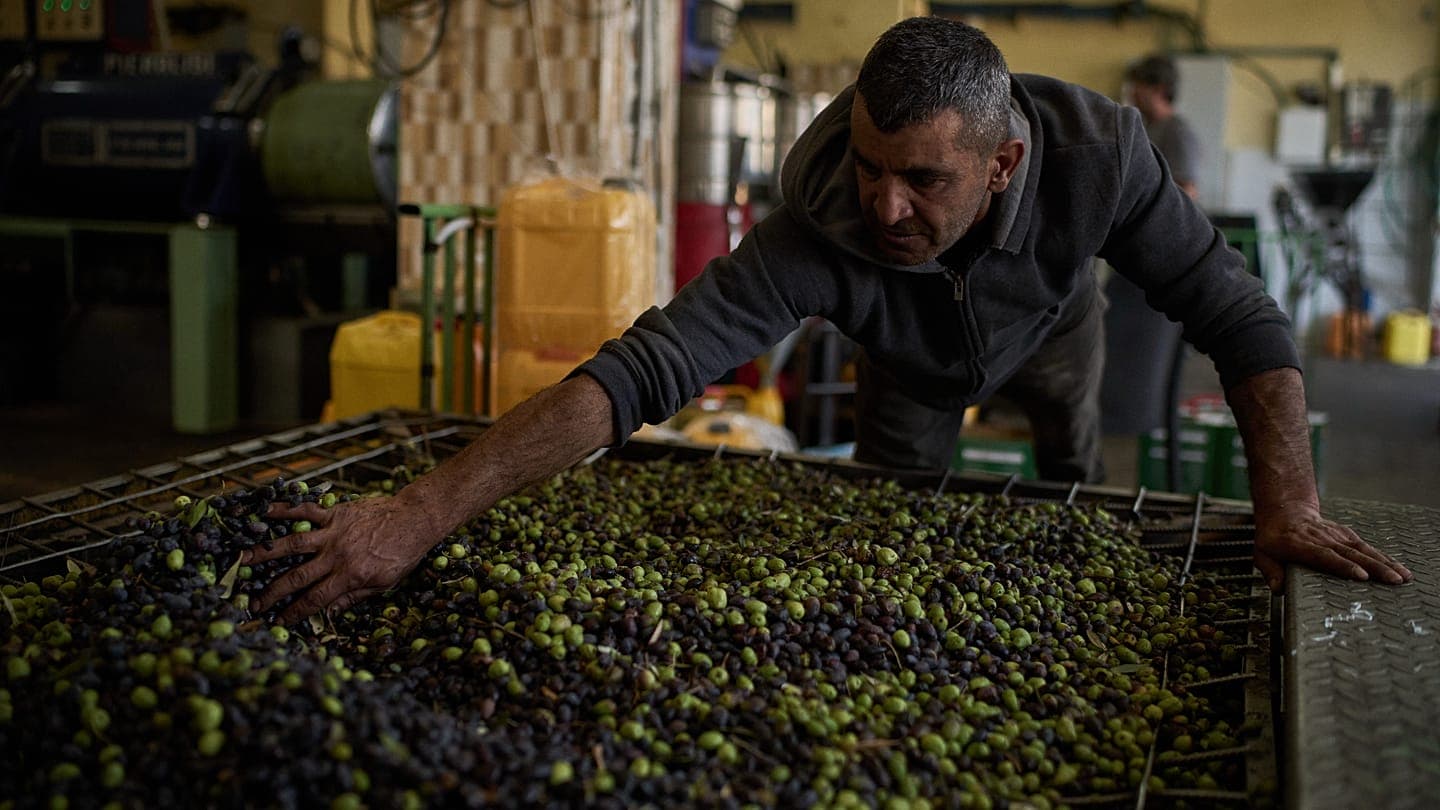
After the attack, far-right National Security Minister Itamar Ben-Gvir, who lives in the illegal settlement of Kiryat Arba near Hebron, called for the dissolution of the Palestinian Authority, which under the agreements is supposed to control part of the West Bank. Finance Minister Bezalel Smotrich, also a settler, ordered the 'immediate demolition of a wide range of illegal Arab structures near the site of the attack'. According to Israeli defence officials, a surge in settler violence is expected after the election: ultranationalists are preparing for the possible demolition of part of the illegal settlements created under the current government by another cabinet. Settlers continue attacks in the West Bank, threatening an important Palestinian olive harvest.
Street clashes in the final week of campaigning
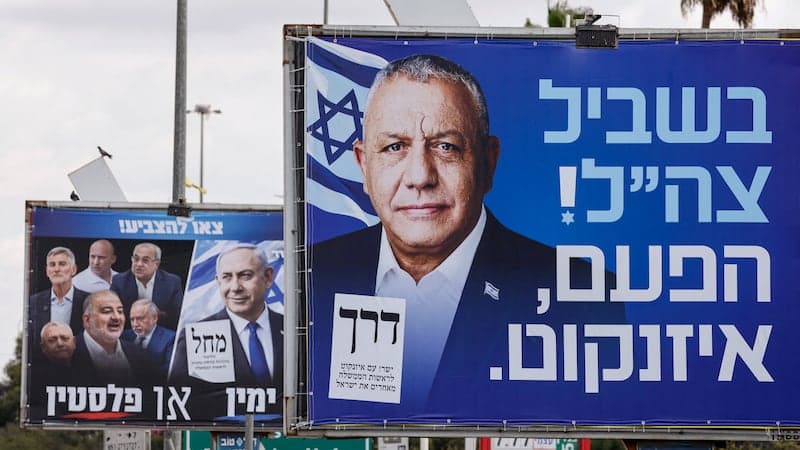
Candidates from across the political spectrum are touring the country as polls continue to show a deadlock. Some events have turned violent. Michael Ilouz, father of Guy Ilouz — an Israeli hostage who died in captivity in Gaza after being abducted in the October 7 attacks — said he was beaten by Netanyahu supporters in Tel Aviv on Thursday evening. 'I came to protest against the prime minister who abandoned my son, and shameless citizens with no moral conscience used violence against me,' Haaretz quoted him as saying. 'It is a disgrace that the father of someone who was killed is beaten by his own compatriots.' In Jerusalem, someone threw a glass bottle at Netanyahu's motorcade after a visit to a market; security forces reacted quickly and no one was hurt. Elsewhere, supporters of the prime minister attacked a man who shouted a rebuke about the transfer of 'billions of dollars to Hamas'. A billboard bearing the portrait of Yair Golan, leader of the left-Zionist Democrats party, was defaced with death threats.
Accusations and fears of a new war with Iran
Defence Minister Israel Katz was widely criticised for saying that opposition leaders would bear responsibility for future attacks on Israel. 'Any attack on Israel and all subsequent terror attacks will be attributed to Yair Lapid, Naftali Bennett, Yair Golan and their opposition partners,' he said. The statement came against the backdrop of warnings by Katz and the prime minister that Israel's enemies may try to disrupt the election. Opposition leaders, for their part, warn that Netanyahu may launch a new round of hostilities against Iran for political reasons in order to stay in power, as his campaign is not gaining traction in the polls. Against this backdrop, Israel is having, as The National describes it, a tense Saturday: the far-right politicians who have set the tone for the past four years switch off their phones for Shabbat, the secular part of society keeps campaigning, and the country prepares for polling stations to open on Tuesday morning.