The key facts
- Lula won the runoff with 51.7% against Flávio Bolsonaro's 48.2% — an unprecedented fourth term
- For the first time since 1989, a candidate who lost the first round won the second
- Turnout rose: non-participation fell from 21% to 19%
Victory in the Runoff
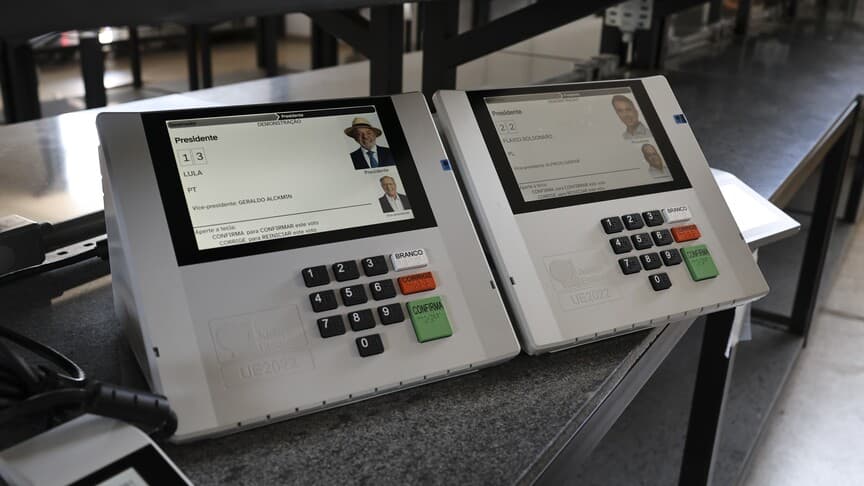
Brazil's incumbent president Luiz Inácio Lula da Silva has won the election against right-wing senator Flávio Bolsonaro, who had crushed him in the first round. According to official figures, Lula received 51.7% of the vote against Bolsonaro's 48.2% — the son of former far-right president Jair Bolsonaro, who entered the race confidently, leading in the polls. The 80-year-old (he turns 81 on Tuesday) left-wing leader won an unprecedented fourth term, against all predictions.
A Historic Comeback and the Reaction
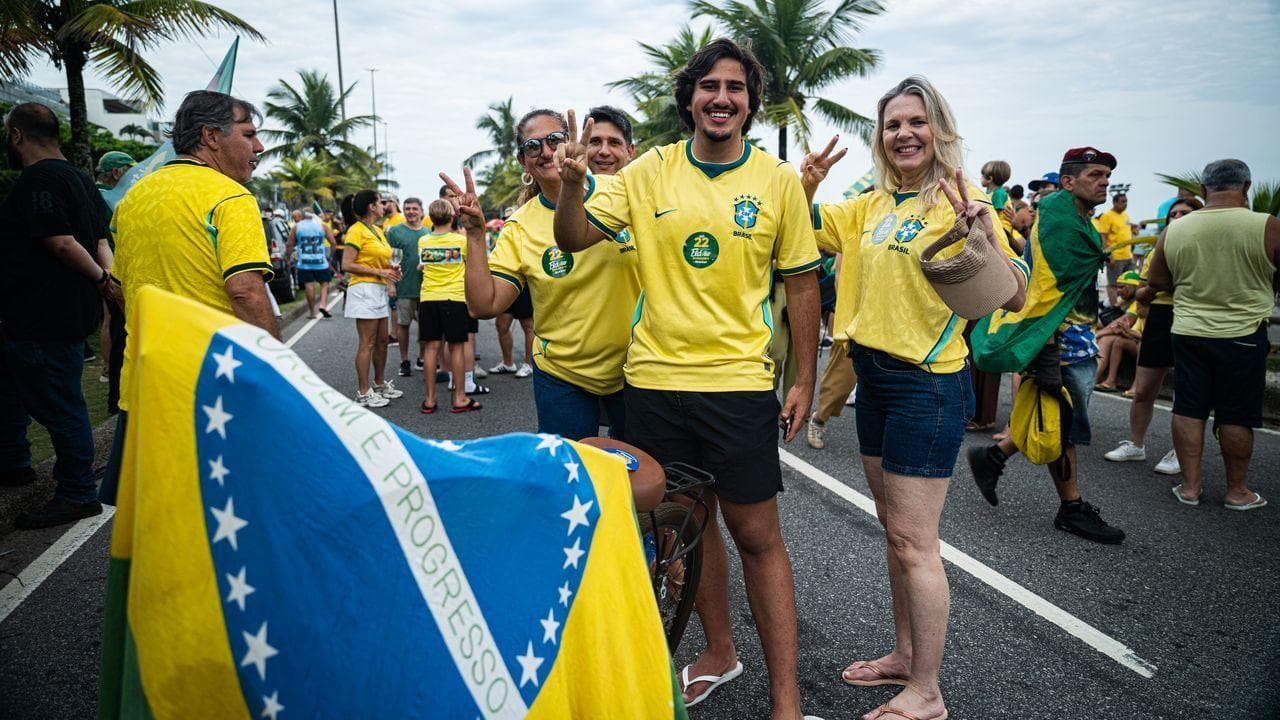
It is reported that since the first direct elections after the end of the dictatorship in 1989, no candidate who lost the first round had ever won the second. After the first-round defeat, the left mobilized with mass rallies under the slogan 'Never Again Bolsonaro' and reworked its weak social media strategy; turnout rose — the share of non-voters fell from 21% to 19%. Fireworks and vuvuzelas sounded in Rio de Janeiro, and thousands of people dressed in red — the color of the Workers' Party — took to the streets of São Paulo. The president himself, in a video on social media, jumped for joy wearing red star-shaped glasses at a hotel in São Paulo, where he was later due to hold a press conference. Flávio Bolsonaro, who is in Brasília, has not yet reacted. Lula supporter Júlio Canelu, a 42-year-old lawyer, called the victory the result of 'the mobilization of the people, in the streets and online.'
A Divided Country and the Campaign
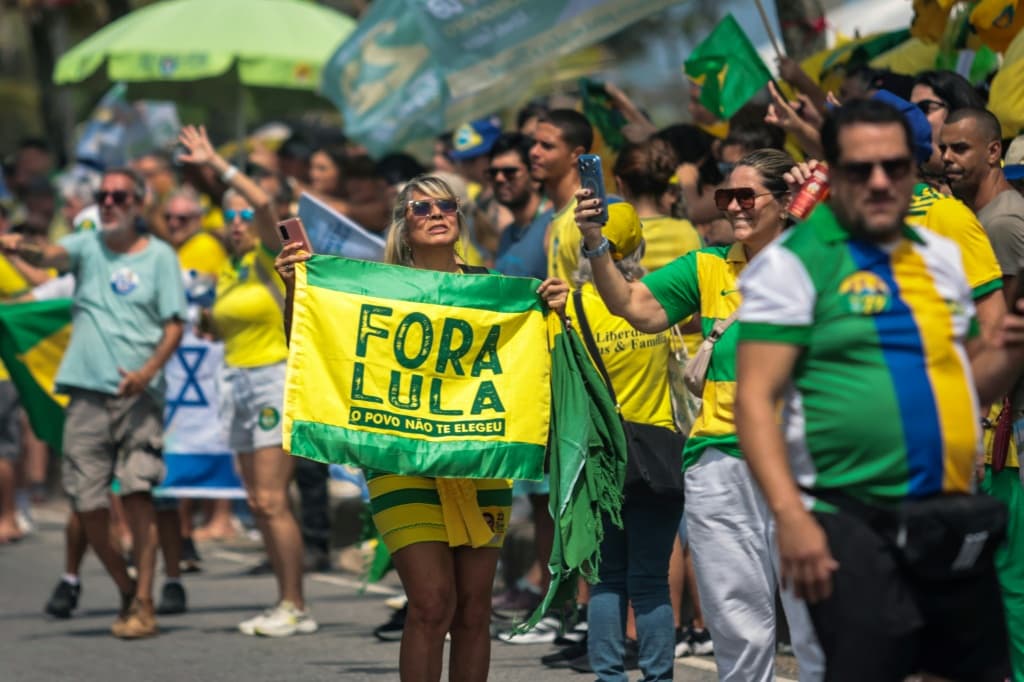
The campaign, marked by scandals and mutual accusations, exposed a deep divide in a country of more than 200 million people. Flávio Bolsonaro, 45, positioned himself as more moderate and 'cheerful' than his father and managed to unite conservatives and less ideological voters tired of crime, the high cost of living, and stagnation. The voting was complicated by a last-minute Supreme Court decision to extend voting by two hours at Lula's requestafter he said that buses had been removed from routes in a number of cities, depriving citizens of the chance to vote. Many voters, according to reports, chose the 'lesser evil' amid fear-mongering by both sides.
A Fourth Term in Difficult Conditions
Lula, who grew up in poverty in the northeast in a family of illiterate peasants, first took office as president in 2003 and was re-elected in 2006. After a corruption scandal for which he spent more than 18 months in prison (the charges were annulled on procedural grounds but continue to haunt him), he returned to office following the 2022 election. During his third term, with falling inflation and unemployment and millions lifted out of hunger, many of Bolsonaro's voters were still dissatisfied with the economy and crime. At the start of his fourth term, Lula faces a hostile right-wing Congress, an expected slowdown in growth, pressure over security problems, and commercial and diplomatic pressure from Donald Trump's United States; the campaign was built around the theme of sovereignty — Lula accused his rival of wanting to 'govern under the American flag.' By 2030 he will be 85 years old, and his total time in power will reach 16 years.
The Significance of the Result
Lula's victory, according to AFP, allowed Brazil to avoid the conservative wavethat has already shifted Argentina, Chile, Colombia, and Peru to the right with the support of US President Donald Trump. For the country, the result means the continuation of left-wing rule with nearly half the electorate having voted against the president — which, judging by the facts presented, sets a tense tone for relations with Congress. The immediate issues of the new term will be the slowing economy and security in areas where criminal gangs operate.