The key facts
- On October 20, AFRL conducted a test under the Rocket Cargo program, aimed at assessing the delivery of tons of cargo by rockets to hard-to-reach regions
- The capsule carried experimental modules with temperature, shock-load, and vibration sensors, as well as batteries, a satellite tracker, a water purification system, and emergency medical supplies
- AFRL has not announced a timeline for the practical implementation of the technology
Test under the Rocket Cargo program
On October 20, the US Air Force conducted another test under the Rocket Cargo program of the Air Force Research Laboratory — AFRL. The program is aimed at assessing the possibility of rapidly delivering multi-ton cargo to different regions of the world using large commercial rockets, including places that are hard to reach with conventional aircraft, Kun.uz reports.
What was tested and what was on board
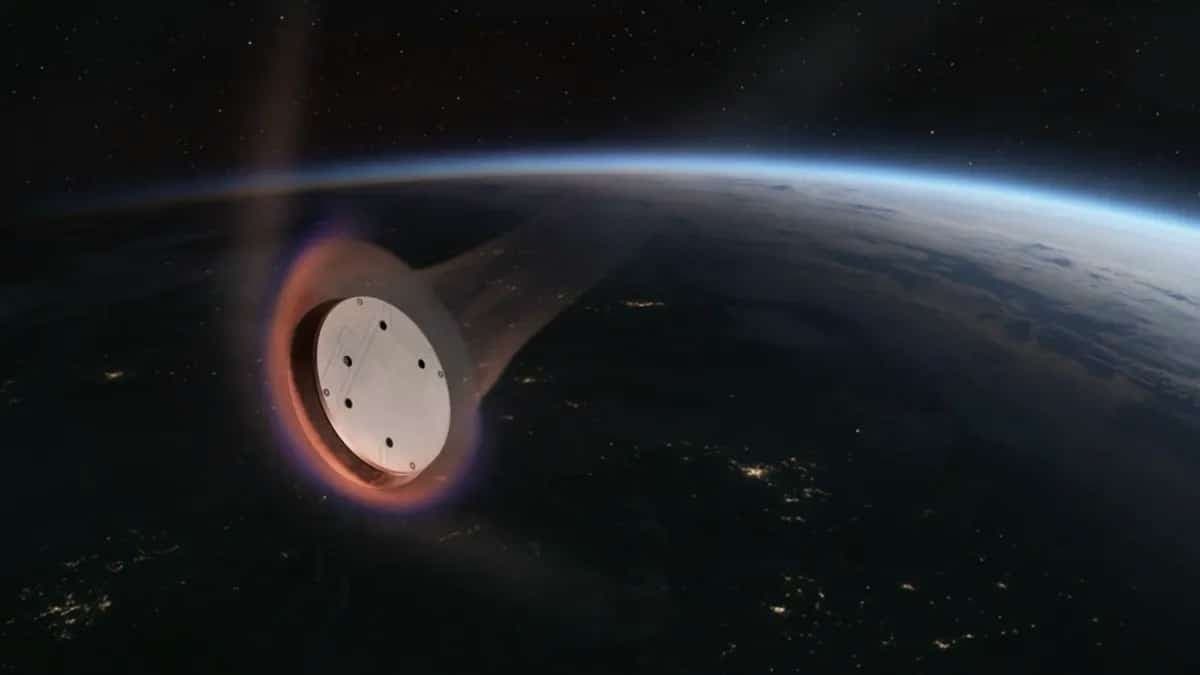
According to the outlet, this launch did not involve a demonstration of a finished delivery system: the main task was to collect data on how cargo can be protected during launch and reentry into the atmosphere. The capsule carried several experimental cargo modules developed by AFRL, equipped with task-specific equipment and sensors that measured temperature, shock loads, and vibration throughout the flight. Particular attention was paid to electronics and life-saving equipment for emergencies: the test included batteries, a satellite-linked tracker, a reverse-osmosis water purification system, emergency medical supplies, and survival gear. Engineers also checked whether a UNI-PAC III rescue raft fits inside the capsule in order to assess the possibility of including it in future tests.
Cargo requirements and the project's current status
Cargo delivered by rocket must withstand heavy loads during launch, the conditions of spaceflight, high temperatures, and mechanical stress during atmospheric reentry, while remaining ready for immediate use after landing. According to AFRL, the experiment helps determine ways to protect sensitive equipment at all stages of flight. The laboratory has not yet announced either a timeline for implementing the technology or how long future cargo delivery to a destination will take. Rocket Cargo is conceived as a complement to existing military transport systems: the possibility of delivering multi-ton supplies with a single rocket launch is being studied, even to areas without convenient runways or developed road networks. Beyond military operations, such a capability could also prove useful in rescue operations, disaster relief, and missions in remote areas. However, the concept remains at an experimental stage: creating a working system will require reducing launch costs, organizing loading and unloading, defining safe landing zones, and proving the ability to reliably deliver large volumes of cargo.
Context and significance
The test shows that the US military continues to gradually verify key elements of rocket logistics — in this case, the protection of sensitive equipment, including medical and rescue supplies, at all stages of flight. According to AFRL, the practical value of this approach lies in delivering cargo to places without runways or roads, which concerns both military operations and rescue work and disaster relief. For now, however, neither implementation timelines nor data on cost and delivery time have been announced, so it is premature to speak of real-world use of the technology.