The key facts
- The complex of five video modules captures wagons and open rolling stock in real time and in the archive
- The system recognises wagon inventory numbers, determines speed and ISO container parameters
- Automatic wagon counting works during stops, reverse movement and changes in the train's direction
What has been presented
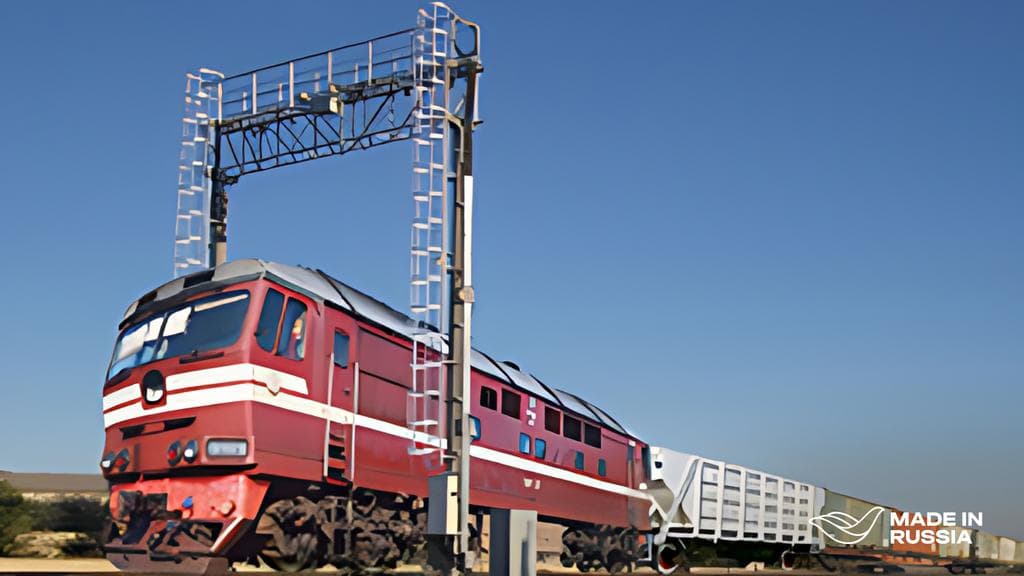
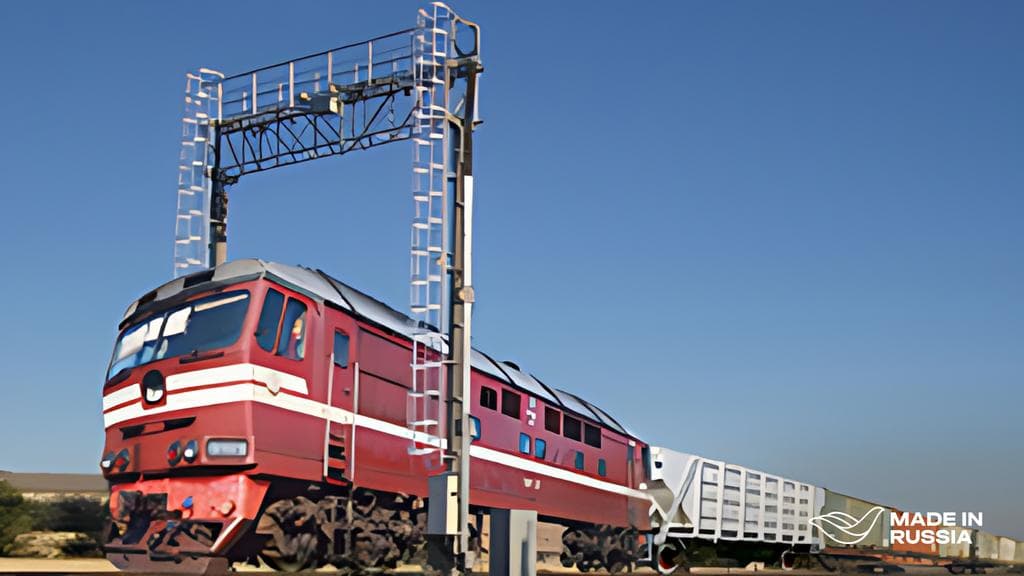
Uzbekistan Railways (O‘zbekiston temir yo‘llari) has announced the introduction of an intelligent video surveillance and rolling stock analysis system, reports Kun.uz. The complex is designed for the commercial inspection of trains, wagons and cargo placed in open rolling stock: the operator can visually detect defects that threaten traffic safety and cargo integrity, both as the train passes through the control zone and later when reviewing the video archive. According to the outlet, the system also collects, processes and stores the results of commercial inspections, and its introduction is expected to improve working conditions and safety for staff carrying out inspections.
How it works
The core of the complex consists of five video surveillance modules that capture an image of the wagon 'from locomotive to locomotive' — from both sides and from above. This provides a complete picture of the train: the operator can create archives for individual channels, perform quick searches and flag wagons of interest. Recording and playback of a train's passage are triggered automatically by the signal indicating the start of the train's movement.
Automated accounting
One of the key functions is automatic wagon counting with data recorded to the archive. The system works correctly regardless of stops, reverse movement or the direction of travel, which, as the source notes, is especially important for Uzbekistan Railways due to the high intensity of shunting operations. In addition, the system recognises wagon inventory numbers, determines the speed of each wagon, and detects the presence, number and nominal length of ISO containers on flatcars (container size in feet). The growth of container transit through Uzbekistan makes this function, in the publication's assessment, an indispensable tool for accounting and commercial inspection.
Context
Uzbekistan's railways carry transit cargo between Europe and Asia, as well as domestic freight. The authors of the publication link the need for automated control to growing cargo flows and rising requirements for traffic safety and cargo integrity. The material is promotional in nature: it describes the system's claimed capabilities but provides no data on deployment timelines, station coverage or operational results.